

Now Reading: Expanding Accountability: The Need for More Investigators in Police Conduct
- 01
Expanding Accountability: The Need for More Investigators in Police Conduct

Expanding Accountability: The Need for More Investigators in Police Conduct
The Importance of Investigating Police Conduct
Investigating police conduct is paramount in ensuring accountability within law enforcement agencies. History has shown that incidents of police misconduct not only undermine the integrity of the justice system but also erode public trust. The necessity for dedicated investigators arises from the understanding that thorough and impartial inquiries can address allegations of police wrongdoing, thereby facilitating a more transparent and accountable system. Without such investigations, there exists a significant risk of fostering a culture of impunity that can lead to further violations of rights.
The historical context of police accountability reveals that communities often experience deep-rooted mistrust towards law enforcement when misconduct is not adequately addressed. High-profile incidents, especially those involving excessive use of force or discriminatory practices, frequently capture public attention and spark outrage. When these occurrences go uninvestigated or are inadequately handled, it can lead to protests, civil unrest, and a significant deterioration in community relations. Therefore, understanding the necessity of independent investigators to delve into these serious allegations cannot be overstated.
Accountability plays a crucial role in restoring public confidence in law enforcement agencies. A well-informed populace is essential for a functional democracy, and when the police are seen as credible and fair, citizens are more likely to cooperate with investigations and support community safety initiatives. Integrating dedicated investigators into the process of examining police conduct not only promotes justice but also fosters an environment in which law enforcement can rebuild trust within the community. The presence of impartial investigators serves as a safeguard against potential abuses of power and enhances the procedural integrity of the policing system.
Identifying Patterns of Misconduct
Understanding police misconduct requires a methodical analysis of behavior patterns within law enforcement agencies. Investigators play a crucial role in pinpointing these recurring issues, which often signal deeper systemic problems. By examining complaints, analyzing use-of-force reports, and scrutinizing departmental practices, investigators can identify trends that highlight misconduct. For instance, a police department may exhibit a pattern of excessive force in particular neighborhoods or toward certain demographics. Such discernible patterns can indicate the presence of bias, inadequate training, or a culture that condones aggressive tactics.
Moreover, transparent investigative practices can foster accountability, serving as a catalyst for organizational change. When investigations reveal consistent misconduct, they prompt departments to reevaluate their policies and training programs. For example, when statistical analyses showed a disproportionate number of use-of-force incidents in one precinct, leadership was compelled to act. This spurred the implementation of enhanced de-escalation training and community engagement strategies, fostering a more accountable and community-oriented approach to policing.
Recent successes in identifying and addressing patterns of misconduct demonstrate the vital importance of robust investigative practices. An instance can be referenced from a city that established an independent oversight agency that performed regular audits of police practices. This independent body reported findings that revealed consistent complaints of racial profiling within the force. As a result, the city adopted new policies and training initiatives to counteract these issues, leading to a measurable drop in complaints and a general increase in community trust.
Through such investigative work, law enforcement agencies can not only rectify past behaviors but also prevent future misconduct. By recognizing and addressing patterns of wrongdoing, investigators serve as an essential resource in the ongoing effort to promote integrity within police departments.
Community Impacts and the Role of Investigators
The relationship between law enforcement agencies and the communities they serve is pivotal in maintaining societal trust and safety. However, incidents involving corrupt officers can significantly undermine this relationship, leading to a breakdown of trust and an atmosphere of fear within the community. When police misconduct goes unchecked, it not only affects the immediate victims of such actions but also taints the perception of law enforcement as a whole, creating a pervasive sense of mistrust.
The implications of officer corruption extend beyond individual incidents; they ripple through entire neighborhoods and hinder community development. Residents may become reluctant to cooperate with police, fearing that they will be met with hostility or further misconduct. This reluctance can diminish the effectiveness of policing efforts, as community engagement and collaboration are essential to crime prevention and resolution. As such, fostering a safe environment requires more than just effective law enforcement; it necessitates a transparent system of accountability.
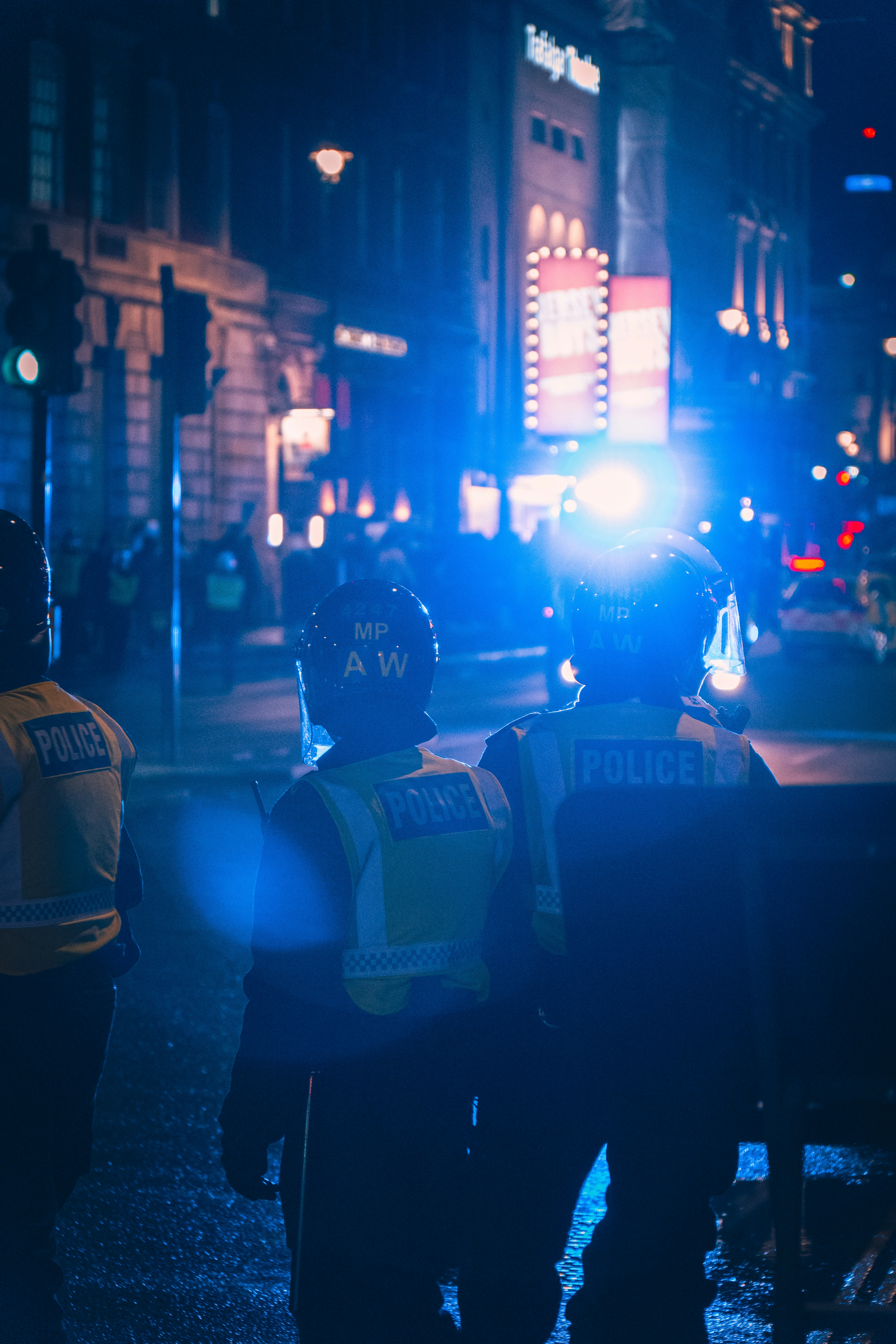
Hiring independent investigators is crucial in addressing these issues. These professionals can meticulously examine allegations of police misconduct, ensuring impartiality in their findings. Their role is not merely remedial; it is preventative. By holding officers accountable for their actions, independent investigators help to restore faith in law enforcement and encourage community members to engage openly with police. This transparency is fundamental in cultivating a cooperative atmosphere, where community members feel secure and valued.
Furthermore, a model that integrates independent investigators allows for a more robust framework of community oversight. Citizens can be actively involved in monitoring police conduct, fostering a sense of ownership and responsibility among residents. As communities come together to advocate for accountability, the collective effort not only promotes safety but also nurtures mutual respect and understanding between law enforcement and the populace they serve.
Implementation Strategies for Better Oversight
In order to enhance accountability and strengthen oversight in police conduct, it is crucial to implement effective strategies that focus on several key areas, including the hiring practices for investigators, comprehensive training programs, and the formation of independent review boards. These strategies can provide a structured approach to ensure that investigations into police conduct are thorough, impartial, and maintain public trust.
One primary strategy is to refine the hiring practices for investigators tasked with overseeing police conduct. This involves not only looking for candidates with a background in law enforcement but also those who possess experience in legal studies, ethics, and social justice. By incorporating a diverse range of perspectives, police departments can ensure that the investigative teams are not only qualified but also sensitive to the complexities surrounding police-community relations.
Training initiatives are equally critical. Developing robust training programs for investigators that focus on constitutional rights, ethical decision-making, and bias recognition can greatly improve the quality of oversight. For example, case studies from various jurisdictions indicate that departments that mandate ongoing education on community relations and ethical standards see increased public confidence. These programs can serve to reinforce the importance of accountability alongside the need for effective policing practices.
Furthermore, establishing independent review boards can provide an added layer of scrutiny that is essential for fostering accountability. These boards, composed of community members and experts, can review incidents of alleged misconduct and ensure that investigations are conducted without bias. Successful outcomes from cities that have implemented such boards reveal how independent oversight can reassure the community and enhance police transparency.
By employing these implementation strategies, police departments can work towards a more accountable system. In doing so, they can foster trust within the communities they serve, ultimately leading to improved relations and a demonstrable commitment to upholding the law with integrity.