

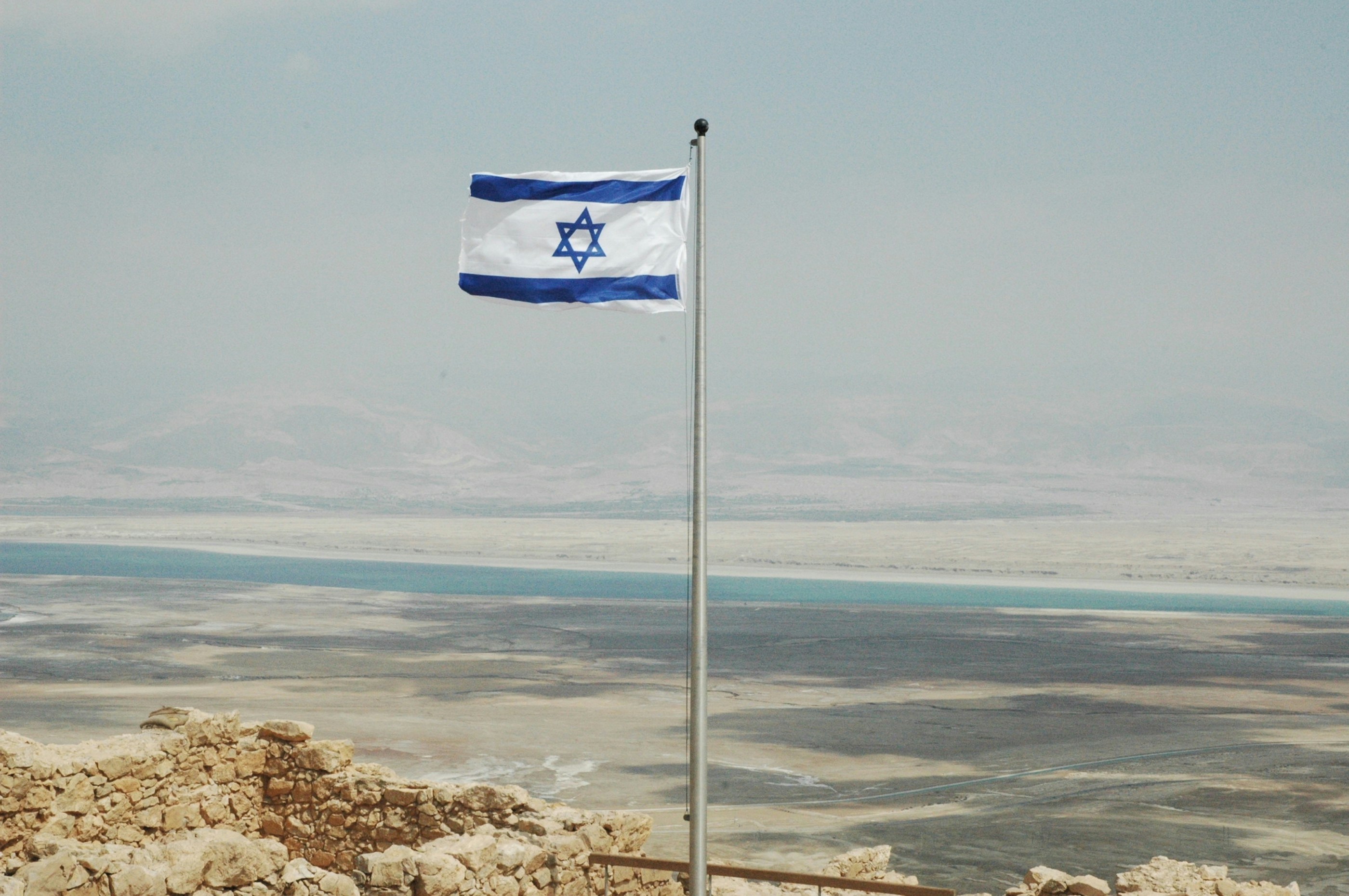
Introduction: A Nation in Transition
Israel has long been recognized as a vibrant nation marked by its unique geographical and cultural context. Positioned in a region often characterized by political complexities and conflicts, Israel stands out as a dynamic entity in transition, showcasing considerable growth and development. Over the past few decades, the country has made substantial strides in various sectors, including technology, agriculture, and education, enhancing its position on the global stage.
In the realm of technology, Israel has earned the moniker “Start-Up Nation,” reflecting its innovative spirit and the proliferation of startups that spur economic growth. These advancements have not only transformed the domestic landscape but have also positioned Israel as a crucial player within the international technology ecosystem. The country’s strong emphasis on research and development has fostered a culture of innovation, allowing it to harness its resources effectively and address many socio-economic challenges.
Simultaneously, Israel is committed to strengthening its diplomatic relationships, particularly with key allies such as the United States. This partnership has been pivotal in bolstering Israel’s security and economic stability. The deepening of these ties has been particularly evident in recent years as both nations work collaboratively to address shared interests in security and trade. Amidst ongoing regional tensions that have historically posed challenges to its growth, Israel’s diplomatic efforts reflect a nuanced approach aimed at building bridges and fostering mutual understanding.
Furthermore, Israel’s dedication to enhancing international relations is evident in its outreach to various nations, underlining a broader strategy to engage with different cultures and promote peace. These initiatives not only emphasize Israel’s commitment to growth but also represent a proactive approach to diplomacy, which is essential in a region where cooperation can lead to sustainable advancement.
Israel’s Progress: A Snapshot of Development
Israel has emerged as a prominent player on the global stage, showcasing significant advancements across various sectors that contribute to its national development. Over the past decades, the nation has prioritized innovation and efficiency, leading to remarkable achievements in technology, agriculture, and education.
In the realm of technology, Israel is often referred to as the “Start-Up Nation,” due to its vibrant entrepreneurial ecosystem and high concentration of tech companies. This focus has cultivated a culture of innovation that fosters advancements in software development, cybersecurity, and artificial intelligence. Investments in research and development have propelled Israel to become a leader in high-tech solutions, further solidifying its position in the global market. Notably, the establishment of the Israel Innovation Authority has facilitated startups and reinforced government support, leading to sustained growth in this sector.
Moreover, agriculture in Israel has undergone a transformative journey, driven by a series of innovative practices that have optimized resource use and increased productivity. Known for its arid climate, Israel has developed pioneering irrigation techniques such as drip irrigation, allowing farmers to maximize yield while conserving water. These advancements not only bolster food security domestically but also position Israel as a key player in agricultural technologies on an international scale.
Education is another cornerstone of Israel’s development strategy. The nation’s commitment to a robust educational system, particularly in science and technology, has produced a highly skilled workforce. Universities and research institutions collaborate closely with industry, ensuring a continuous flow of innovation and knowledge transfer that fuels economic growth. This emphasis on education not only supports individual development but also strengthens the nation’s overall capacity to compete globally.
In summary, Israel’s multifaceted progress across technology, agriculture, and education reflects a comprehensive approach to development. These achievements are not only transformational for the nation but also contribute to global advancements, setting a benchmark for other countries to aspire to.
Strengthening Ties: Israel and the United States
The diplomatic relationship between Israel and the United States has evolved significantly since Israel’s establishment in 1948. This partnership is underpinned by shared democratic values, strategic interests, and historical ties. One pivotal moment in this relationship occurred in 1979, with the signing of the Egypt-Israel Peace Treaty, which was facilitated by the U.S. The treaty not only marked a turning point in Middle Eastern politics but also reinforced the U.S. role as a key mediator in regional conflicts.
In subsequent decades, the United States has consistently supported Israel through various military and economic aid packages. In recent years, the introduction of the Memorandum of Understanding in 2016, committing $38 billion in military aid over ten years, highlights the unwavering support for Israel’s security needs. This aid is a testament to the strategic alliance that both nations regard as vital for stability in the Middle East.
Moreover, recent diplomatic initiatives, such as the Abraham Accords signed in 2020, further illustrate the deepening ties between Israel and other nations, while simultaneously enhancing its rapport with the U.S. This agreement not only normalized relations between Israel and several Arab nations but also underscored the United States’ ongoing influence in promoting peace and cooperation in the region. These developments have contributed to a more favorable perception of Israel in the international arena.
Continuing through the 2020s, the diplomatic endeavors between Israel and the United States remain robust, marked by collaboration in technology, defense, and intelligence sharing. As both nations face unique challenges on the global stage, their strategic partnership will be pivotal in addressing security threats and fostering regional peace. Ultimately, the historical and contemporary events shaping this relationship illustrate its enduring significance.
The Iranian Challenge: Navigating Regional Tensions
The geopolitical landscape in the Middle East has long been overshadowed by tensions between Israel and Iran. The Islamic Republic’s nuclear ambitions, coupled with its support for militant groups across the region, has posed a significant threat to Israel’s national security. As Iran continues to assert its influence, particularly through proxies in Lebanon and Syria, Israel has been compelled to recalibrate its foreign policy and national defense strategy, emphasizing the need for stronger international alliances.
Israel perceives the growing Iranian presence near its borders as a direct challenge, making it imperative for the nation to confront the multifaceted aspects of this conflict. The Iranian challenge is not only military but also political and ideological, requiring a measured response that balances defensive capabilities with diplomatic engagement. To mitigate the threat posed by Iran, Israel has sought to enhance its relationships with key global powers, particularly the United States, while also fostering ties with Arab states that share similar concerns regarding Iranian expansionism.
In light of these tensions, Israel has increased its military readiness, conducting regular exercises and surveillance operations aimed at countering potential threats from Iranian forces and their affiliates. Additionally, the nation has engaged in intelligence sharing with allies, further solidifying its strategic partnerships. These measures reflect a broader understanding that confronting Iran necessitates a collaborative approach, where a coalition of like-minded countries can work together to ensure regional stability.
The Iranian challenge thus serves as a catalyst for Israel’s diplomatic endeavors, pushing it to seek not only security guarantees but also economic cooperation with neighboring nations. While the complexities of this conflict are considerable, Israel’s proactive stance in addressing the Iranian threat signifies its commitment to maintaining peace and stability amidst a continuously evolving geopolitical landscape.
Towards Peace: Israel’s Diplomatic Initiatives
Israel has long recognized the importance of diplomacy in promoting stability and peace in the Middle East. Over the years, it has engaged in numerous initiatives aimed at fostering dialogue and building relationships with its neighboring countries. One significant example is the normalization agreements established through the Abraham Accords, which were signed in 2020. These agreements paved the way for Israel to normalize relations with several Arab nations, including the United Arab Emirates, Bahrain, Sudan, and Morocco. This initiative has been hailed as a groundbreaking moment in Middle Eastern diplomacy, as it emphasizes economic collaboration, cultural exchange, and mutual recognition among nations that formerly had strained ties with Israel.
Furthermore, Israel’s involvement in regional dialogue platforms demonstrates its commitment to peace. Through its participation in international coalitions, such as the Eastern Mediterranean Gas Forum, Israel seeks to promote energy cooperation and security among regional partners. This initiative not only aims to enhance economic interdependence but also fosters collaborative efforts to address common challenges, ranging from environmental issues to energy sustainability.
In addition to formal agreements and coalitions, Israel has engaged in continuous dialogue with Palestinian leaders to address the longstanding conflict that remains a barrier to broader peace in the region. Various rounds of negotiations facilitated by international entities have aimed at establishing dialogue characterized by mutual respect and understanding. Although these talks have faced challenges, Israel’s persistence in seeking a peaceful resolution underscores its commitment to finding a sustainable solution that can benefit both Israelis and Palestinians.
Israel’s diplomatic initiatives reflect a broader vision for peace, characterized by cooperation, dialogue, and mutual understanding. Through strategic partnerships and continued engagement with regional players, Israel aims to build a foundation for lasting peace in a historically tumultuous area.
Women in Leadership: Supporting Female Politicians
The role of women in leadership positions within Israeli politics has gained significant attention, especially with the upcoming 2028 elections, where a historic milestone is expected with the potential election of the first female president. This anticipated event represents not only a breakthrough for gender equality but also a vital shift in the political landscape that could influence both domestic and international relations.
Historically, women’s representation in Israel’s political sphere has been limited, reflecting broader global trends regarding gender disparity in leadership roles. However, recent years have seen a notable increase in female politicians occupying key positions, which enhances the diversity of perspectives in decision-making processes. Female leaders have the potential to address complex social issues such as healthcare, education, and social justice, providing a fresh approach to governance that resonates with a broader segment of the population.
The anticipation surrounding the first female president symbolizes a pivotal moment for gender equality in Israel. It encourages young women to participate actively in politics, fostering a sense of empowerment and motivating future generations to pursue leadership roles. This shift can also enhance Israel’s international standing, as the inclusion of women in leadership often correlates with improved diplomatic relations and stronger collaborative efforts across borders. Countries with diverse leadership teams tend to be more innovative and effective in addressing global challenges.
Moreover, the presence of women in high-ranking positions can lead to the formulation of policies that prioritize issues affecting women and families. By supporting female politicians, Israel takes a crucial step toward realizing a more inclusive and representative democracy, which can pave the way for comprehensive reforms and a more stable societal framework. As the 2028 elections approach, the hope is that this increase in female political representation will solidify the role of women as vital contributors to the nation’s governance and global diplomacy.
Cultural Exchange: Building Relationships Through Understanding
Cultural exchange programs represent a vital mechanism for fostering understanding and strengthening relationships between nations, particularly between Israel and the United States. These initiatives aim to break down barriers by promoting dialogue, mutual respect, and shared values through comprehensive programs that engage participants in various cultural activities.
One notable initiative is the Fulbright Program, which has facilitated educational exchanges between American and Israeli scholars for decades. By allowing participants to gain insights into each other’s societies, values, and academic practices, the program fosters not only professional development but also personal connections that can lead to enduring friendships. The impact of these exchanges goes beyond academics, as participants often become ambassadors of their cultures, sharing experiences and perspectives upon their return to their home countries.
Another successful cultural exchange initiative is the Young Leaders Exchange Program, which engages high school students from both countries in collaborative projects and cultural immersion experiences. This program emphasizes the importance of youth in building future relationships. Through workshops, joint meetings, and community service projects, participants learn valuable skills while developing a deeper understanding of each other’s cultures. Feedback from previous participants indicates that these experiences have significantly influenced their outlook on global issues and their commitment to fostering peaceful relations.
Moreover, arts and cultural festivals provide platforms for Israeli and American artists to showcase their talents, encouraging cross-cultural appreciation. These events foster connections that transcend political differences and create opportunities for conversation and collaboration. By participating in shared cultural experiences, individuals from both nations are able to find common ground and celebrate their unique heritages.
In conclusion, cultural exchange programs serve as essential tools for building relationships between Israel and the United States. By promoting interaction and understanding through shared experiences, these initiatives play a crucial role in laying the foundation for a more amicable and cooperative future.
The Role of Technology in Diplomatic Relations
Technology plays a pivotal role in shaping diplomatic relations globally, and Israel stands out as a leader in this field. With its vibrant tech ecosystem, Israel has developed a range of innovations that not only propel its economy but also enhance its global diplomatic efforts. The Israeli government has strategically invested in research and development, creating a culture of innovation that strengthens its partnerships around the world.
Israel’s advancements in technology foster collaboration across various sectors, including cybersecurity, agriculture, and health. By sharing its expertise, Israel is establishing partnerships with other nations, which bolsters diplomatic ties. For instance, during humanitarian crises, Israel’s cutting-edge medical technologies and agricultural techniques have been invaluable in assisting countries in need. These collaborative efforts in science and technology not only demonstrate goodwill but also create lasting diplomatic relationships.
The country’s commitment to innovation is evident in initiatives such as international technology fairs and startups, which attract global investors and foster collaborative projects. These initiatives highlight Israel’s capability to lead in technology while also addressing global challenges, further solidifying its role as a vital ally. Moreover, Israel’s technological prowess extends to its military advancements, which enhance its national security and serve as a deterrent, thus encouraging allies to forge closer ties with the nation.
As countries increasingly rely on digital solutions for diplomacy, Israel’s innovative spirit will likely play a crucial role in promoting peace and cooperation. By leveraging technology to address common challenges, Israel can enhance trust and mutual respect among its allies, which is indispensable for successful diplomatic relations. With this focus on technological collaboration, Israel is paving the way for a more interconnected and cooperative global community.
Hope for the Future
The future of Israel holds a significant promise, marked by a steadfast commitment to fostering peace, economic growth, and international relationships. As Israel continues to navigate the complexities of the Middle East, it maintains a vision of becoming not just a regional power, but also a model for cooperation and dialogue on the global stage. The recent strides in diplomatic efforts showcase Israel’s willingness to engage positively with both neighboring nations and world powers.
One notable aspect of Israel’s development is the bolstering of its ties with the United States. This relationship, founded on shared values and mutual interests, emphasizes collaborative initiatives that not only enhance security but also promote technological advancements and economic partnerships. The potential for deeper connections with the U.S. is evident as both nations share an understanding of the critical need for stability in the region.
Moreover, Israel’s initiatives to improve relations with Arab nations reflect an evolving landscape in Middle Eastern diplomacy. The signing of historic agreements has laid the groundwork for increased trade, cultural exchange, and security collaborations. These developments point to a growing recognition among countries in the region that thriving partnerships can lead to significant benefits for all parties involved, encouraging peace over prolonged conflicts.
As the nation focuses on sustainable growth and social harmony, the optimism surrounding its future becomes more pronounced. Investment in technology, green energy initiatives, and community-driven programs suggests that Israel is dedicated to addressing both domestic needs and international responsibilities. The hope for a more peaceful and interconnected future resonates not only in Israel but also among global communities invested in its success.
Leave a Reply