
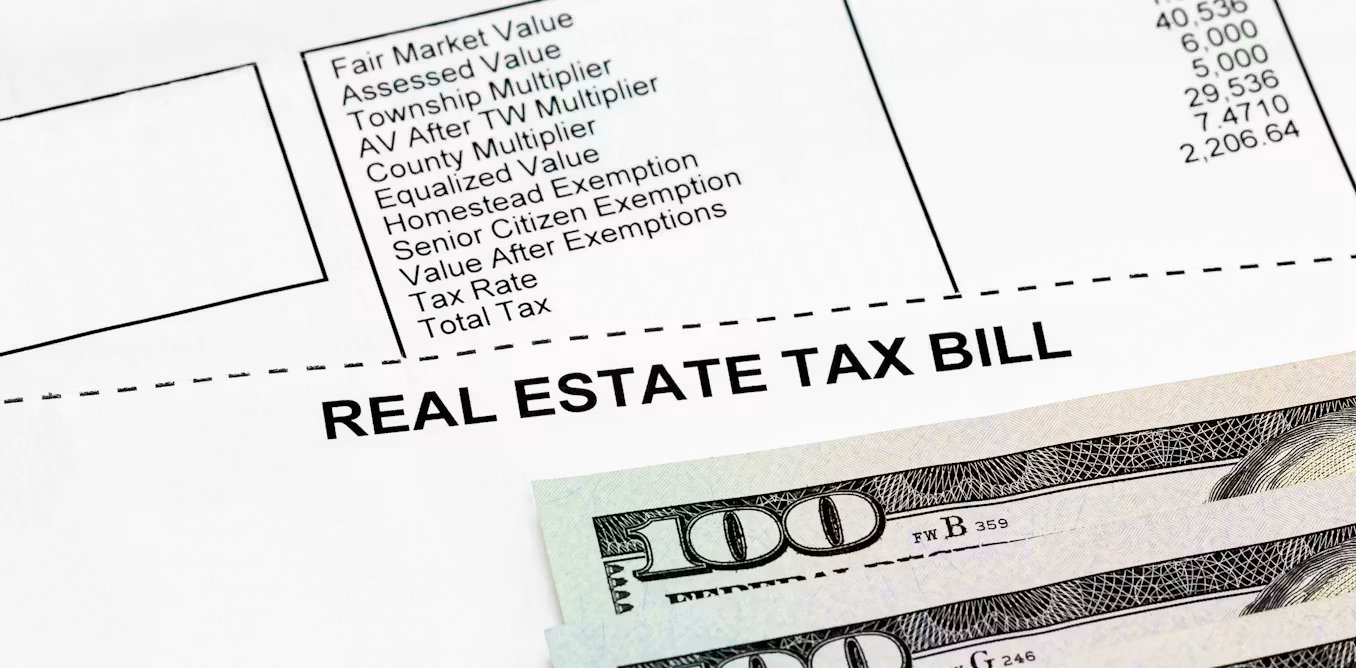
Between inflation, rising car and property insurance premiums and the costs of contending with extreme weather, many Florida homeowners are feeling financially squeezed.
While the ballot box can’t change the risk of floods or hurricanes, a constitutional amendment on the November ballot could reduce homeowners’ costs in the form of lower property taxes. Sixty percent of voters must approve the amendment in order for it to become part of the Florida Constitution.
The average home in the state is worth about US$378,000 as of July 2026, with the median sale price slightly higher, at around $395,000. This corresponds with property taxes of just over $3,000 annually. Floridians in more expensive houses may pay double – or more – than the taxes on a median-priced home.
As an economist living in Florida, I’ve spent the past decade teaching about the economics of government and public finance, analyzing and breaking down policy, policy proposals and their impacts on the Sunshine State.
It can be difficult to navigate all the conflicting information and argumentation surrounding this proposed amendment, so I wanted to dig into what it would mean for Florida residents.
What the proposed amendment would change
Current Florida homeowners can apply for a homestead exemption on their primary residence. This exemption allows homeowners to deduct up to $50,000 of their home’s assessed value, which reduces their annual property taxes.
The proposed Amendment 3, officially known as the Homestead Tax Exemptions, Property Assessments, and Spending Restrictions Amendment, does not eliminate all property taxes, but it does substantially reduce them. It would increase the current homeowner’s homestead tax exemption to $150,000 in 2027 and to $250,000 in 2028.
New Florida homeowners would qualify for a smaller exemption on their primary residence, which would increase after five years of residency.
Amendment 3 does not provide special tax relief for renters. Landlords could still see meaningful tax increases on an annual basis as their properties increase in value.
The ballot initiative’s language theoretically limits how tax dollars should be used by county and municipal governments, with the idea that such provisions ensure continued funding for essential services. Indeed, the ballot language provides a list of acceptable expenditures, such as public safety, infrastructure or obligations for employee retirement benefits.
However, the proposed amendment also says funds may be used for “expenditures approved” by local and county governments. This broad language on local spending authority may render the earlier stipulations toothless. The overall implication, therefore, is unclear.
If passed, Amendment 3 would lower the cap on annual property assessments on rental and commercial properties from a 10% increase to a 5% increase. Since property taxes are based on an asset’s assessed value, this effectively limits tax rate increases for businesses. The same caps would apply to second homes, which do not qualify for a homestead exemption.
A win for taxpayers?
The Florida Revenue Estimating Conference, which is the Florida Legislature’s research arm, estimates the bill would reduce revenue from property taxes by $11.8 billion per year.
The bill’s legislative proponents argue the measure is a win for taxpayers, citing reductions in the cost of homeownership while maintaining funding for schools and other essential services.
Detractors in the Legislature, meanwhile, cite projected budget shortfalls, concerns over the loss of critical services and the bill’s failure to address the primary drivers of increased living costs as their basis for opposition.

Michelle Eve Sandberg/AFP via Getty Images
Taxpayers may not end up paying much less
Current homeowners would see their property taxes fall. Others, however, would almost certainly pay more. Florida businesses, landlords and owners of other non-homestead properties would almost certainly see their taxes increase. Research shows that when governments cut property taxes for some groups, taxes shift to other groups.
If the state or local governments want to maintain the same revenue, Amendment 3 would necessitate tax increases in other areas, or more federal dollars to make up for the shortfall. This could include increases in state and local sales tax, expanding the list of goods subject to sales taxes, or increasing “documentary stamp taxes,” required on documents such as deeds, bonds and mortgages.
Local consequences
Florida property taxes are levied and collected by some 640 local government entities. There is no state income tax. This means that any reductions in property tax revenue directly affect local and county governments.
Local governments could replace declines in tax revenue in several ways. First, they may increase the tax or “millage” rate on less-protected property categories. These include non-homestead properties and large rental properties.
While Amendment 3 lowers the cap on property assessments for these other property categories, it does not mean taxes on these assets cannot or will not increase. And even small increases in the tax rate can be significant. A 1% increase in taxes on a $15 million commercial property, for example, equates to an increase of $150,000 on the owner’s tax bill. Though Florida’s Senate president, Republican Ben Albritton, stated that the bill would protect small businesses from tax increases, the ballot language does not support this claim. A small tax increase is still a tax increase.
Second, local governments may impose special assessments or implement higher fees for specific services, such as solid waste and stormwater utilities. They may also choose to levy additional taxes on permits and inspection fees, fuel taxes, or other service charges such as vehicle registration fees. State law even allows for possible increases in local sales taxes, though there are meaningful constraints.
Local governments may also increase taxes related to tourism, such as on food, beverages and hotels. It’s worth noting, however, that this is not a viable avenue for counties with limited tourism, and such revenues would fluctuate depending on tourism trends.
Finally, the state government could transfer additional funds to local governments from other state revenue sources. Such mechanisms already exist, though Amendment 3 does not make specific provisions for increased state-provided funding.

Drazen_/E+ via Getty Images
Schools and essential services
School-related property taxes are explicitly exempt from Amendment 3’s tax cuts.
And according to Albritton, the amendment would also ensure funding for critical services, such as infrastructure and public safety.
However, essential services would almost certainly be affected. For most Florida counties, these services make up the largest line item in their annual expenditures. Reducing property taxes has direct implications for essential service budgets.
Impacts on services would be uneven across the state. While some funding for police, fire and emergency medical services comes from state and federal sources, these services are primarily the responsibility of local governments. Local property taxes also fund services and facilities such as libraries and public parks.
Smaller, less-populated counties would be disproportionately vulnerable to service cuts compared with their larger counterparts. They lack a large tax base and are less able to generate revenue from other sources.
Providers of essential services have raised these concerns. In a rare position paper, the Florida Fire Chiefs’ Association has directly opposed Amendment 3, saying it would “create substantial uncertainty” around emergency services funding throughout the state.
Other considerations
This legislation hinges on several assumptions.
Amendment 3 assumes the caps on non-homestead properties will prevent overly burdensome tax increases on those properties. It also assumes that public safety and other key services can be protected through top-down rules on local spending. Implementing this legislation will also require the necessary personnel and infrastructure to effectively administer the law. If any of these assumptions is incorrect, the implications for businesses, local governments and Floridians are significant.
There are also some questions about the legality of classifying current and future Florida homeowners differently. This is particularly relevant when considering questions of residency and duration of residency.
In the past, Florida policymakers have drawn new residents and businesses to the state with the promise of no income taxes, a low cost of living and lower overall taxes compared to other states.
Amendment 3, while aligned with this “low tax” ideal, reveals real tensions when it comes to tax policy. The state can reduce property taxes, but those reductions would require trade-offs, such as raising other taxes or reducing government services to Floridians. The question is not whether these trade-offs exist, but whether they are acceptable in exchange for lower property taxes. Voters will decide Nov. 3.
Leave a Reply