

Now Reading: Google Won't Enforce Its Site Reputation Policy In The European Economic Area – Search Engine Roundtable
- 01
Google Won't Enforce Its Site Reputation Policy In The European Economic Area – Search Engine Roundtable

Google Won't Enforce Its Site Reputation Policy In The European Economic Area – Search Engine Roundtable

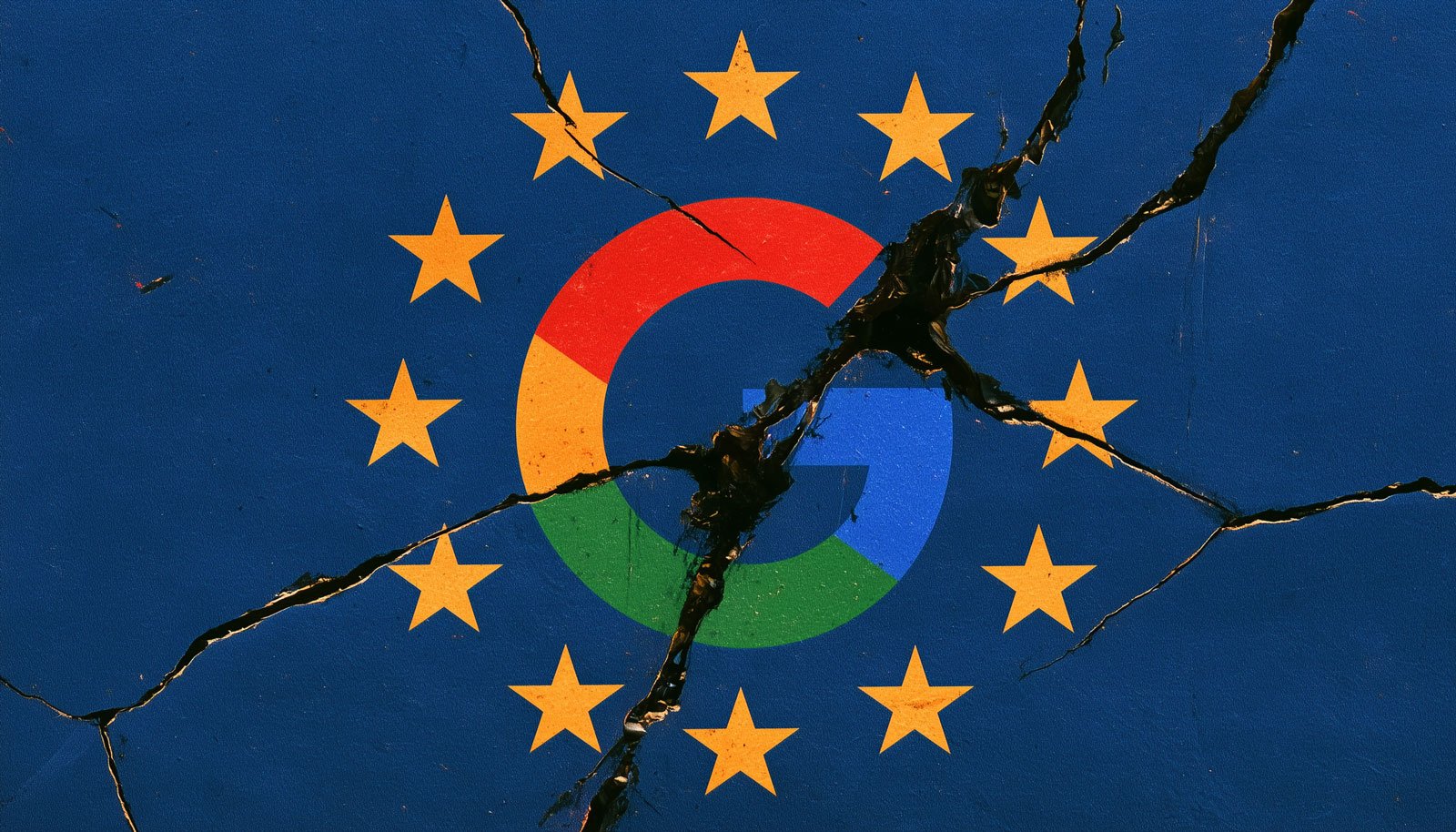
Google announced it will not enforce manual actions under the site reputation abuse policy in the European Economic Area (EEA) due to a mandate set by the European Commission, effective August 30, 2026. Google said searchers in the EEA will not benefit from Google’s spam prevention for sites labeled for site reputation abuse.
Site Reputation Abuse Policy
Site reputation abuse is a tactic in which third-party content is published on a host site primarily because of that host’s established ranking signals, which it has earned primarily from its first-party content. The goal of this tactic is for the content to rank better than it could otherwise on its own. Google’s own defintion is over here.
As a reminder, Google came up with the site reputation abuse policy when it announced the March 2024 core update to fight against what we’ve called Parasite SEO. In January 2025, Google began enforcing its site reputation abuse policy in Europe.
We knew this might happen, but honestly, I am surprised. I really thought Google would stand up for its search quality and fight this decision. But I guess Google could not win this battle?
A First
This is the first time Google is applying different rules and outcomes for its spam policies based on the location of the searcher. So this seems like a big deal, where Google will not enforce a policy in one region versus another region.
I hope this does not encourage more abuse of this policy.
What Is Changing
Google wrote on its blog post how sites with manual actions applied under its site reputation policy will have a different effect for those searching in the EEA than outside of it. Google wrote:
- For users outside the EEA, a manual action regarding Google’s site reputation policy will directly affect search results for the portion of the site affected. As before, the rest of the site won’t be affected.
- For users inside the EEA, the impact of the manual action will not apply. The affected section of the site may be separated in our systems so that, over time, it ranks independently from the rest of the site.
This does not mean that sites in the EEA won’t receive a manual action for site reputation abuse in Search Console. They will. It just means that the manual action won’t have any impact for searchers inside the EEA. It also means that the manual action will impact searchers outside of the EEA and thus, you should probably care that your site is not ranking as high as it could for searchers outside of the EEA.
Algorithmic Action Still In Place
That last sentence in the Google write-up (e.g. “The affected section of the site may be separated in our systems so that, over time, it ranks independently from the rest of the site”) explains the automated, not manual, part where Google’s algorithms can treat a part of the site as its own site and not let the overall site’s reputation help that portion of the site.
Google is saying this won’t impact how Google is able to treat portions of a site as its own site when it thinks parasite SEO or site reputation abuse is going on. Again, Google wrote, “The affected section of the site may be separated in our systems so that, over time, it ranks independently from the rest of the site.”
What Google Said
Google wrote:
Site owners will continue to be notified within Search Console when a manual action is applied. If you believe an action was taken in error, you can submit a reconsideration request. Eligible sites will, following the reconsideration request, also have the opportunity to bring disputes to mediation. Because many pages are viewed by people globally, it’s possible that any given page might have a manual action taken on it, but that change will only affect search results shown to users outside the EEA.”
A Google spokesperson told me:
“Our European users are no less frustrated by parasite SEO and other deceptive, pay-to-play tactics that degrade search results, and we stand by our Site Reputation Policy. While we remain concerned about efforts to weaken our spam policies, we’ve agreed to make changes to our enforcement approach for users in Europe and clarify our policies to address the European Commission’s concerns.”
“We are committed to our site reputation policy because it ensures a better, more reliable search experience for everyone,” Google added.
Forum discussion at X.
The content at the Search Engine Roundtable are the sole opinion of the authors and in no way reflect views of RustyBrick ®, Inc
Copyright © 1994-2026 RustyBrick ®, Inc. Web Development All Rights Reserved.
This work by Search Engine Roundtable is licensed under a Creative Commons Attribution 3.0 United States License. Creative Commons License and YouTube videos under YouTube’s ToS.