

Opinion

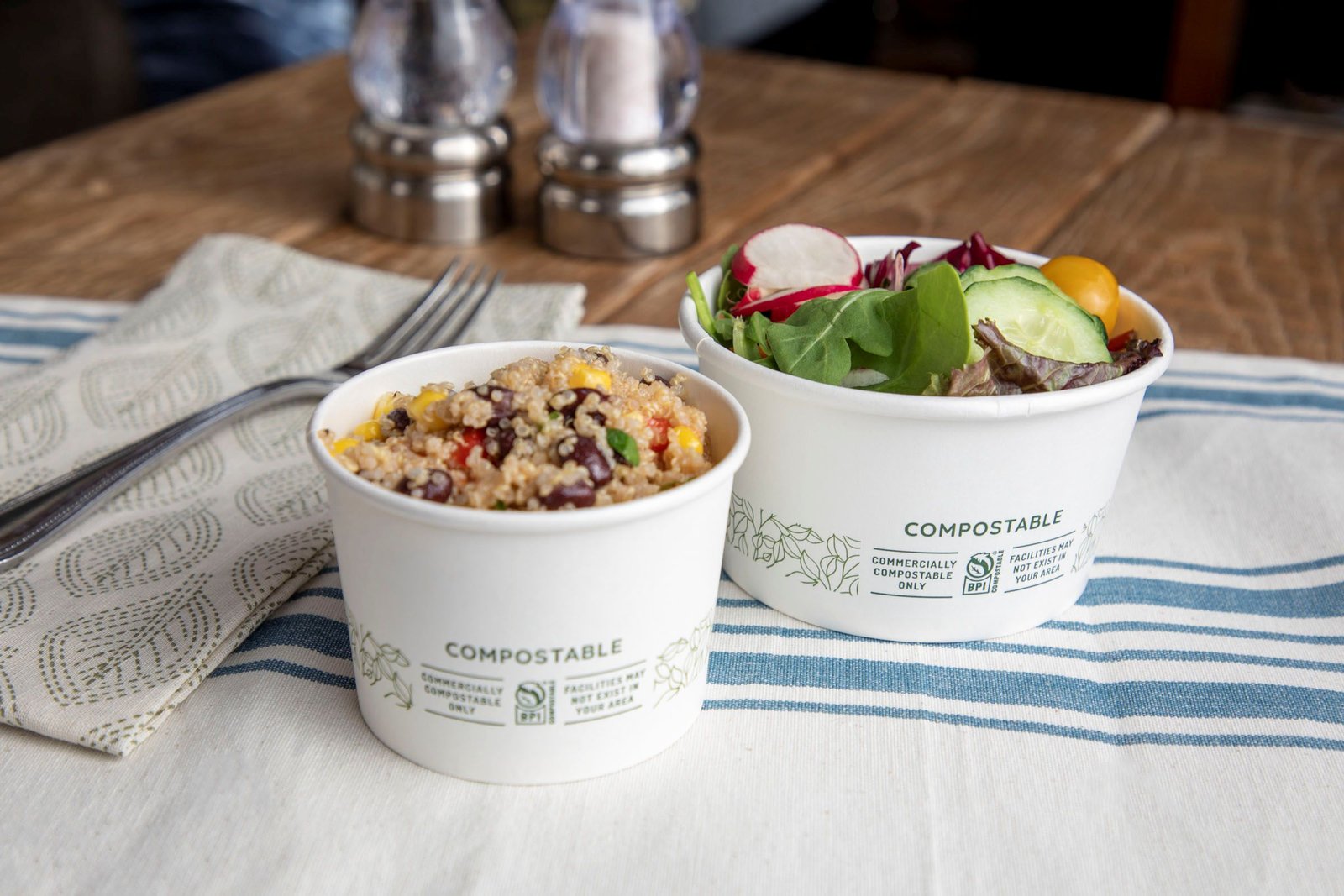
Compostables. Image by BPI.
by posted 02.18.2026
Capitol Weekly welcomes Opinions on California public policy or politics. Please read our guidelines for opinion pieces before submitting an Op-Ed. Submissions that do not adhere to our guidelines will not be considered for publication.
OPINION – Californians are proud of the state’s leadership on the environment, from progressive car and truck emissions mandates to investments in green energy and reductions in the amount of waste sent to landfills.
Individuals and businesses have increasingly embraced composting food scraps and the convenience of compostable products as essential to California’s progress toward a less wasteful society – one where systems and products are designed to regenerate rather than denigrate the environment.
One piece of a 2021 bill designed to strengthen environmental product labeling could undermine California’s waste reduction efforts, harm businesses that have invested in clean materials and confuse consumers who rely on these clearly labeled and rigorously tested items. Without remedial action, that bill could lead to Californians turning away from composting altogether and being inadvertently encouraged to toss conventional plastic bags filled with food waste into compost streams. Methane emissions from landfills also will rise, as will consumer reliance on non-recoverable plastic products.
The bad news? Without a legislative fix, these will be the inevitable outcomes of AB 1201, a well-intentioned law that applied an outdated federal standard to one specific end use – organic compost.
The good news? This can be avoided if the Legislature acts now.
Among its mandates, AB 1201 requires that by June 2027, products labeled compostable must be an “allowable agricultural organic input,” as defined by the USDA’s National Organic Program (NOP). The NOP’s current definition of compost is based entirely on what goes into the compost pile and is limited to plant and animal materials, rather than relying on tests or metrics on the finished compost. This outdated definition ignores the fact that certified compostable products are safe and have passed strict certification standards by BPI, the leading authority on compostable packaging and products in the nation.
Additional criteria in AB 1201 follow BPI’s longstanding requirements, including tests that demonstrate materials fully biodegrade under industrial composting conditions – transforming into carbon dioxide, water and biomass without leaving toxic residue – and prohibitions on the use of forever chemicals like PFAS which BPI outlawed well ahead of AB 1201.
We don’t want to see California’s progress on composting systems eroded. That’s why we’re pursuing a legislative solution in California to correct the problem before the June 2027 deadline does any more damage to investments in California’s zero waste future.
California leaders must not backpedal on their promise to consumers who want to be part of the circular solution by composting their household waste and using compostable products. Individuals around the world prefer compostable products as a sustainable solution, and Californians need clear labeling to grow participation in composting programs – removing food waste from landfills and helping composters turn it into nutrient-rich soil amendments – or compost.
Without the ability to label products as compostable, it will also undermine California businesses innovating to meet the state’s aggressive mandates. Absent a legislative solution, retailers, restaurants, stadiums and the companies making compostable products will see their investments in the development of compostable products wiped out, effectively creating a de facto ban on products designed to meet California’s law, SB 54, that all packaging and food service items be recyclable, reusable or compostable by 2032.
California is a global leader in forward-thinking climate and environmental solutions. Derailing the state’s ambitious goals by failing to allow compostable products to be clearly labeled is not an option. Legislators must move now to preserve compostables by fixing AB 1201. California cannot afford to let one unintended consequence unravel years of progress.
Rhodes Yepsen is the executive director of BPI.
Want to see more stories like this? Sign up for The Roundup,
the free daily newsletter about California politics from the editors of Capitol Weekly.
Stay up to date on the news you need to know.
Sign up below, then look for a confirmation email in your inbox.