

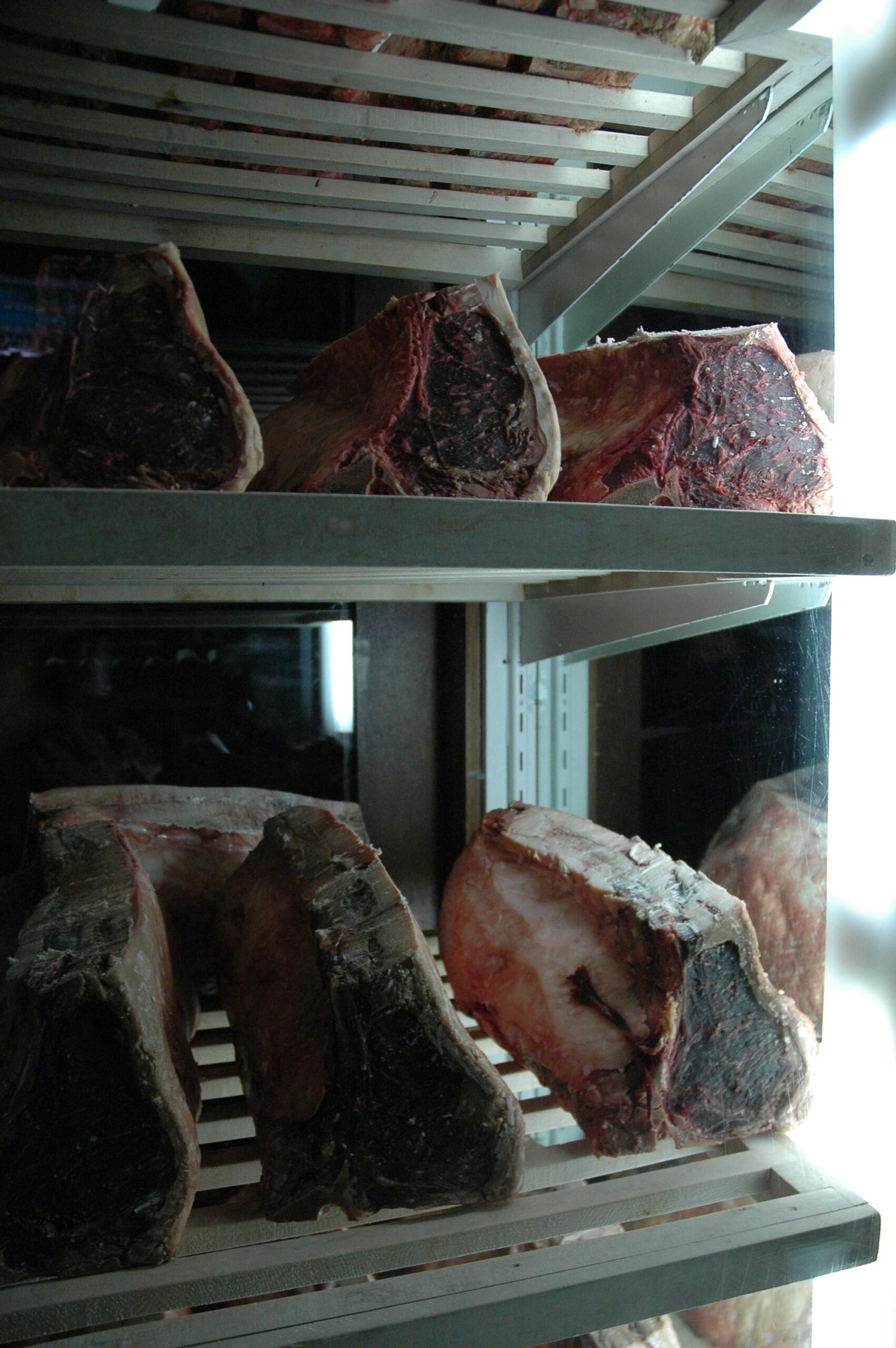
Understanding the Challenges Faced by Ranchers in the Meat Selling Business
The meat selling business can present numerous challenges for ranchers as they navigate the complexities of entering a competitive market. One of the most pressing issues is the limited local demand for their products. Many ranchers rely on local customers, which can constrain their sales potential. This dependency often results in a struggle to sell excess inventory, leading to financial strain, particularly during periods of surplus production. The fluctuation in consumer preferences, combined with a decline in traditional meat consumption, positions ranchers in a precarious situation.
Pricing pressures further complicate the dynamics of meat sales for ranchers. The rise of industrialized meat production has driven prices down, making it challenging for smaller ranches to compete. Consumers generally perceive large brands as more affordable, even though they may sacrifice quality and ethical farming standards. As a result, ranchers are often forced to adhere to lower price points, which impact their profit margins. Adjusting to these pricing pressures without compromising the quality of their products proves to be a constant balancing act.
Additionally, ranchers face stiff competition from established brands that possess robust marketing strategies and extensive distribution networks. Such competition not only includes pricing but also the ability to maintain consistent product availability and customer engagement. For many ranchers, building brand recognition and a loyal customer base in a market dominated by major players can be an uphill battle.
The cumulative impact of these challenges—limited local demand, pricing pressures, and intense competition—can hinder ranchers’ profitability and sustainability. As they seek to adapt to these adversities in the meat selling business, exploring innovative solutions such as expanding their presence to online sales and shipping emerges as a promising avenue. By doing so, ranchers can reach a broader customer base and improve their financial viability in an increasingly competitive marketplace.
The Benefits of Expanding into Shipping Meats
As the demand for quality meat products grows beyond local markets, expanding into shipping meats offers numerous advantages for ranchers and meat producers. One of the most significant benefits is the increased market reach. By venturing into online sales and shipping, ranchers can attract customers from various geographical regions who are searching for premium meat options. This wider audience not only enhances visibility but also provides opportunities to build brand loyalty among new consumer segments.
Furthermore, expanding into shipping meats can lead to potentially higher sales. By leveraging e-commerce platforms, producers can showcase their offerings to a much larger clientele, allowing them to capitalize on the growing trend of meat delivery services. This shift can result in a boost in revenue, particularly when the quality of the meat is highlighted, such as organic or grass-fed options, which appeal to health-conscious consumers.
Diversification of revenue streams is another pivotal advantage of shipping meats. By integrating online sales into their business model, ranchers can create additional income channels. This is particularly vital during economic fluctuations or seasonal demand variations, as it helps stabilize financial performance. Expanding into shipping also opens doors to niche markets, such as those that prioritize sustainable farming practices or specialty meat products, further enhancing profitability.
Logistically, successfully shipping meats requires certain best practices to ensure quality and safety. Implementing proper packaging techniques to maintain temperature and prevent contamination is critical. Utilizing insulated containers and ice packs not only preserves freshness but also complies with shipping regulations. By focusing on these logistics while adopting effective marketing strategies, ranchers can transition from local sales to successful online meat distribution.
Creating an Online Platform for Meat Sales
Establishing an online presence for meat sales involves a systematic approach that begins with the creation of a user-friendly website. The website serves as the digital storefront where consumers can learn about your products, place orders, and engage with your brand. First, choose a domain name that reflects your ranch’s identity and is easy to remember. Next, invest in a professional design that prioritizes ease of navigation and aesthetic appeal. A well-structured website not only facilitates a positive user experience but also enhances credibility.
Once the website is set up, selecting the appropriate e-commerce tools is vital. Platforms such as Shopify, WooCommerce, or BigCommerce can streamline sales processes, manage inventory, and handle payments securely. When integrating these tools, ensure that your website’s interface is cohesive and provides clear information about product offerings, pricing, and shipping options. Additionally, involve an expert in search engine optimization (SEO) to improve your site’s visibility, making it easier for potential customers to find your meat products online.
Effective marketing strategies further bolster your online meat sales platform. Utilize social media channels to showcase your meats, share recipes, and connect with customers. Content marketing can also be beneficial, as blogs and articles that provide value to customers can assist in building a dedicated audience. Moreover, email marketing campaigns can help keep your customers informed about new products, special promotions, and newsletters, fostering a sense of community around your brand.
Branding plays a crucial role in building consumer trust. Developing a compelling brand narrative that highlights the unique aspects of your ranch and the quality of your meat can establish an emotional connection with consumers. Use storytelling in your marketing materials to showcase your ranch’s values, sustainable practices, and the traditions behind your products, thereby fostering long-term customer loyalty.
Implementing Successful Marketing Strategies for Online Meat Sales
In the current digital landscape, effective marketing strategies are crucial for the success of online meat sales. One fundamental approach involves leveraging social media platforms to create brand awareness and community engagement. By consistently sharing high-quality content, such as recipes, cooking tips, and behind-the-scenes glimpses of ranch operations, businesses can cultivate an authentic connection with their audience. This engages potential customers and can lead to increased sharing and discussions, ultimately amplifying their reach.
Email marketing serves as another vital component in marketing online meat sales. By building an email list, ranchers can directly communicate with customers about new product launches, promotions, and seasonal offerings. Personalizing email content, including special discounts or tailored recommendations based on previous purchases, can enhance customer engagement and encourage conversions. Regular newsletters that provide valuable information, such as nutritional benefits and cooking ideas, can further establish authority and trust in the marketplace.
Additionally, partnerships with influencers in the food and sustainability niches can effectively elevate an online meat brand. Collaborating with these individuals allows ranchers to tap into their established follower base, presenting their products to a wider audience. Selecting influencers who align with the brand’s values and ethics will enhance authenticity and resonate more deeply with prospective customers.
Search engine optimization (SEO) plays a critical role in increasing online visibility. By employing relevant keywords throughout their website content, product descriptions, and blog posts, ranchers can improve their search rankings, making it easier for customers to find them. Furthermore, gathering customer feedback and providing exceptional service are paramount for retaining a loyal customer base. Responding to inquiries promptly and addressing any concerns demonstrates commitment to quality and care, fostering repeat business and positive reviews.