

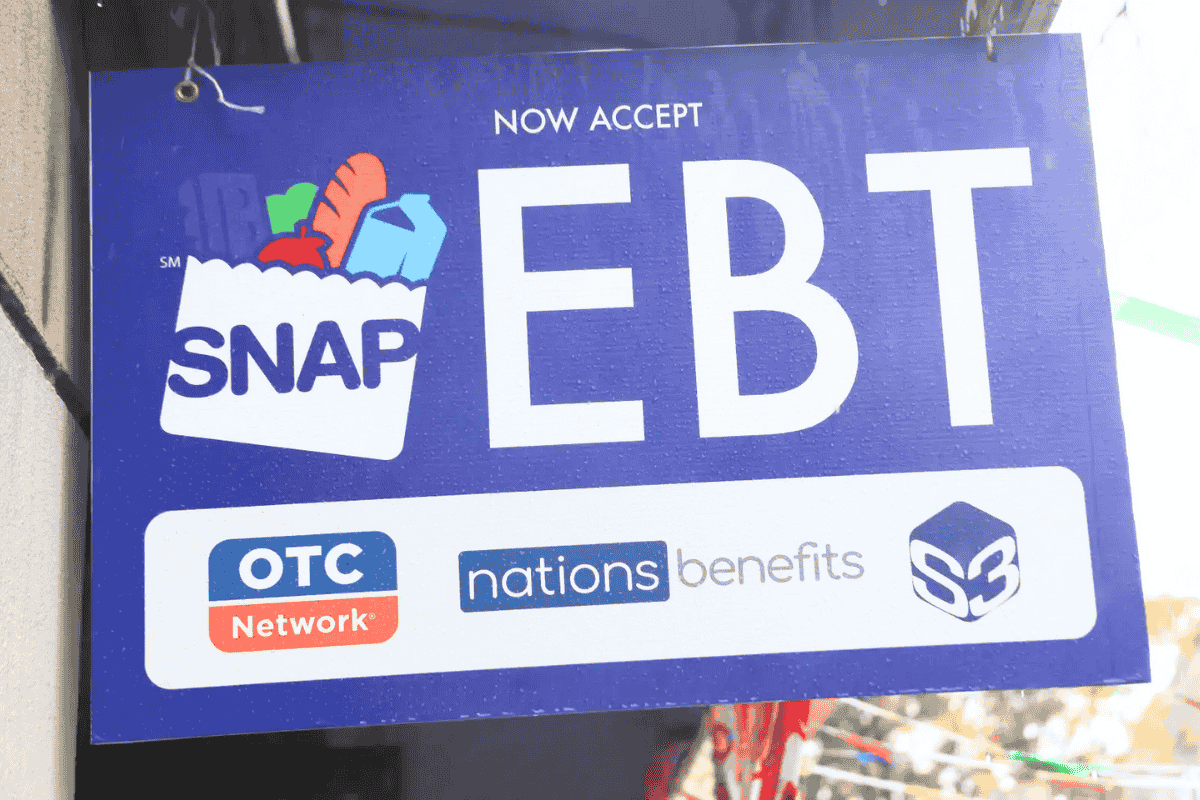
A federal judge in Rhode Island has ordered the Trump administration to fully fund SNAP (food stamp) benefits for November, providing a temporary but crucial lifeline to over 42 million Americans.
This comes amid a deepening political battle during the ongoing federal government shutdown, which had threatened to halt or reduce food assistance for millions of low-income households.
Court Forces Trump Administration to Fund SNAP in Full
On Thursday, Nov 6, U.S. District Judge John J. McConnell Jr. ruled that the Trump administration must find the money to fully cover November’s SNAP payments, rejecting the government’s earlier plan to issue only partial benefits—just 65% of the full amount.
“They knew there would be a long delay in paying partial SNAP payments and failed to consider the harms,” Judge McConnell said during his ruling. “This should never happen in America.”
The administration had until Friday, Nov 7 to begin releasing the funds, which total around $9 billion per month.
Millions at Risk: Hunger Used as Political Leverage?
The court ruling came after nonprofits, cities, and Democratic state officials sued the administration for threatening to cut or reduce food aid during the shutdown.
Government attorney Tyler Becker argued the lack of funding was due to Congress not passing a budget. But plaintiffs’ lawyer Kristin Bateman accused the administration of using people’s hunger to “gain partisan political advantage.”
“What defendants are really trying to do is to leverage people’s hunger to gain partisan political advantage,” she said.
The administration had previously offered to pay only 50% of benefits, then recalculated that they could afford 65%, sparking outrage from recipients and advocates alike.
Judge Slams Administration’s Delays
Judge McConnell found that the Trump administration had ignored the urgency of the court’s previous order, which required quick action to avoid hunger.
He made it clear that the government had emergency reserves, including a $4.6 billion fund, that could be used for full payments. Instead, the administration insisted on preserving that money for other programs, causing further delays and confusion.
Impact on Real Families
The decision to partially fund SNAP would have hurt millions, especially the most vulnerable:
- Some families would receive nothing.
- Single-person households could get as little as $16.
- 16 million children faced the risk of immediate hunger.
Carmel Scaife, a 56-year-old SNAP recipient from Milwaukee who can’t work due to injuries, said cuts would force her to use Social Security money meant for bills just to buy food.
“That’ll take away from the bills that I pay,” she said. “But that’s the only way I can survive.”
Legal Battle Continues
The Trump administration immediately appealed the judge’s ruling, despite legal experts noting that such emergency orders are usually not appealable. Vice President JD Vance criticized the decision, calling it “absurd” and blaming Democrats for the shutdown.
Still, advocates say the fight isn’t over.
“We shouldn’t have to force the President to care for his citizens,” said Skye Perryman, President of Democracy Forward. “But we will do whatever is necessary to protect people and communities.”
SNAP Payments Begin Reaching Families
While it may take a week or more for benefits to show up on EBT (Electronic Benefit Transfer) cards, some states like California and Wisconsin have already started processing full payments thanks to the court’s ruling.
- Wisconsin issued $104 million to 337,000 households within hours of the court order.
- Other states are waiting for USDA instructions and will follow soon.
This legal battle over SNAP funding shines a light on the real-world impact of political gridlock—where millions of vulnerable Americans are caught in the crossfire. While the court ruling ensures full benefits for now, the fight over food aid continues.
The situation has raised serious questions about priorities, compassion, and the role of government during a crisis. For now, thanks to the court and quick action from some states, many families can rest a bit easier knowing their November meals are back on the table.
FAQs
Why did a judge order full SNAP funding?
Judge McConnell ruled that the Trump administration failed to consider the real-life harm of partial payments and ordered full funding for November.
How many people rely on SNAP?
About 42 million Americans, or 1 in 8, depend on SNAP benefits to afford food each month.
What was the administration’s plan for SNAP?
The Trump administration planned to pay only 65% of the maximum benefit, with some families receiving nothing.
Are the SNAP benefits being paid now?
Yes, following the ruling, some states like Wisconsin and California have already begun issuing full benefits.
Can the court order be appealed?
The administration has filed an appeal, but such emergency orders are typically not subject to immediate appeal. The legal status may still change.

1 Comment