
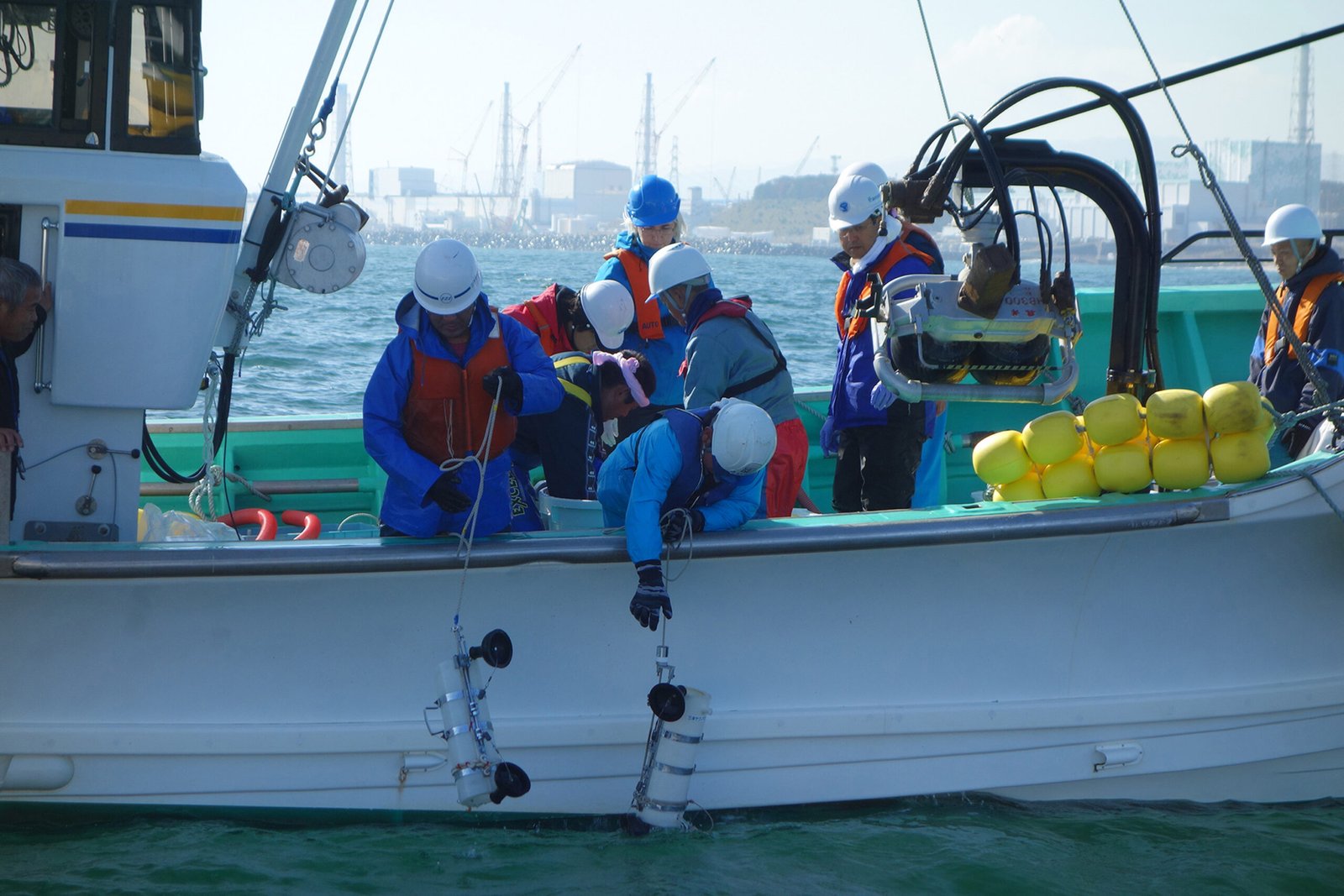
The IAEA has expanded global access to critical ocean data through its Marine Radioactivity Information System (MARIS), an open platform that hosts more than one million verified radioactivity records from seas and oceans worldwide. Freely accessible online for 20 years, the system is helping scientists and policymakers track changes in marine environments with transparency and consistency.
Environmental monitoring and scientific research generate vast amounts of valuable data, yet much of it remains inaccessible. Access restrictions, incompatible formats, missing metadata, poor provenance, unclear licensing and fragmented storage often prevent scientists from sharing and building on each other’s work.
MARIS was developed to overcome these barriers. Its radioactivity records are verified through the IAEA Marine Environment Laboratories in Monaco. The laboratories’ expertise guides key datasets and drives the continuous development of MARIS in line with evolving user needs. MARIS records are also standardized, documented and offer full provenance records for scientific reuse.
“What makes MARIS unique is not just the volume of data, but the rigorous quality assurance behind every record,” said Paul McGinnity, Research Scientist at the IAEA Marine Environment Laboratories. “Before any data enters the system, our team validates the analytical methods, checks for consistency, and ensures proper documentation. This quality control is what gives scientists worldwide the confidence to use MARIS data for critical environmental assessments and policy decisions.”
MARIS data supports a wide range of applications. Scientists, policymakers and experts use the system to assess radionuclide levels and trends in marine environments, validate computational models of radionuclide transfer and support environmental monitoring. As the ocean faces mounting pressures from climate change, marine plastic pollution and ocean warming, access to reliable radioactivity data is increasingly vital.
“The standardized format and open access nature of MARIS data has greatly enhanced our ability to collaborate with neighbouring countries on marine radioactivity research,” said Bao Li, Associate Researcher at the China Institute for Radiation Protection. “For comprehensive environmental protection in the Asia-Pacific region, we need this kind of shared, verified data foundation.”