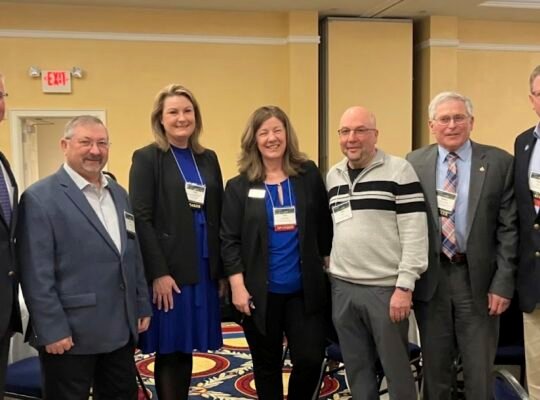


A task force looking at the feasibility of nuclear energy in the First State gets more information on safety and environmental risk.
One possible solution task force members are examining is small modular reactors. That technology is still new, and none have been completed in the US so far.
At a meeting last week, the Nuclear Feasibility Task Force heard from experts about the safety and environmental challenges of adding nuclear power to the state’s energy mix.
Delaware Emergency Management Agency director AJ Schall, a member of the task force, told members that even though there are no nuclear plants in the First State, it still has an emergency plan for nuclear accidents, thanks to plants in neighboring states.
“So we have memorandums of understanding with those four power plants, we work with all the states to make sure we are coordinating,” he said. “We understand how we will share messages.”
Having that Radiological Emergency Plan makes planning for nuclear power in Delaware easier, Schall said. He also told task force members that, because of the built-in redundancy and deep oversight, he believes nuclear plants are safe.
The task force heard from Penn State associate professor Jennifer Clemmons, who raised several environmental issues.
For example, nuclear reactors require a lot of water for cooling, and that water is usually re-released into a nearby river or ocean. While the water isn’t radioactive, it is significantly hotter than normal. That can cause havoc in fragile ecosystems and lead to algae and jellyfish blooms.
Another concern is nuclear waste.
Clemmons says small modular reactors, like the ones discussed by the task force, actually produce more waste per megawatt than traditional large reactors. That waste could be recycled, but recycling nuclear waste has been illegal in the US for nearly 50 years.
“It’s more of a political issue,” Clemmons said. “The technology is there. We can do this, but it’s also an economics issue – It’s more expensive to recycle uranium.”
The task force will continue its work in the coming months, and co-chair Senator Stephanie Hansen expects the group to get an extension on the due date for its final report until this summer.