
You May Also Like

In the race for California’s next governor, a leading figure has emerged.
No, not yet in the form of a candidate, but rather a resounding issue that has peppered contenders’ talking points and polls of likely voters.
Affordability — how to make California more livable for its residents — has dominated the race.
It’s been the theme of town halls, as the candidates barnstorm the state in recent days, attempting to ingratiate themselves with voters with less than two months until ballots are mailed out to registered California voters. It’s the subject of white papers and wonky proposals, showcasing their policy chops.
It makes sense when considering voters’ attitudes going into the primary election.
A recent Public Policy Institute of California survey found 61% of likely voters said gubernatorial candidates’ stances on affordability and the cost of living were “very important” — a sentiment that rang true across political parties, regions and other demographics, the survey found. That same poll found the cost of living, the economy or inflation was the top issue that most voters polled (32%) said they hoped to see the governor and state Legislature address this year.
“Californians almost certainly care as much, if not more, about affordability as voters in other parts of the country, given the high costs of living here. The candidates are right to be talking about it,” said Dan Schnur, who teaches political messaging at USC and UC Berkeley.
Still, there’s a unique challenge for the Democratic contenders in the race, given the large number of them who are actively vying for one of the two spots to emerge from the June primary.
It will be easier, Schnur said, for a Democratic candidate to differentiate themselves and their affordability plans if up against a Republican in the general election. But it’s a lot more difficult for them now at this stage in the race. Even though the top two vote-getters, regardless of party, advance through the primary, the Democratic candidates are competing among themselves to stand out to voters.
“They’ll all be talking about affordability, but ultimately their fates are probably going to be decided more by how often their message can be heard as opposed to the substantive particulars of their message,” said Schnur.
“But even if voters don’t remember or differentiate between the proposals, it’s important to offer tangible solutions, not just broader sympathy.”
Here’s a brief look at some of the ideas the gubernatorial candidates have on affordability. These certainly aren’t the only proposals candidates have on the topic, or all the candidates who are running for governor, but rather just some of the ideas floated to voters recently.
Vehicle registration fees
Standing before a half-filled hotel ballroom in Santa Ana on Wednesday afternoon, Steve Hilton unveiled his plan for his first day in office if elected governor: Tackle vehicle registration costs.
Hilton, a Republican contender who has been topping recent polls, pledged a $71 basic vehicle registration fee for every driver in California.
“One thing we’re going to implement through the DMV on Day One is we’re going to get rid of all the ridiculous fees and charges and taxes,” said Hilton. “Basic registration fee only.”

Steve Hilton, California gubernatorial candidate speaks during an affordability town hall at Hotel Zessa in Santa Ana on Wednesday, March 18, 2026. (Photo by Leonard Ortiz, Orange County Register/SCNG)


1 of 3
Steve Hilton, California gubernatorial candidate speaks during an affordability town hall at Hotel Zessa in Santa Ana on Wednesday, March 18, 2026. (Photo by Leonard Ortiz, Orange County Register/SCNG)
The California Department of Motor Vehicles notes registration fees are determined on a variety of factors, including the vehicle type, when it was purchased and for how much, the city and county the driver is based in, and the unladen or declared gross weight of the vehicle, among other things. Vehicles registered for on-highway use may also be on the hook for California Highway Patrol, transportation improvement and other fees, the DMV details.
In an interview after his “Califordable” town hall, Hilton summed up his platform as cutting electric bills in half, lowering gas prices to $3, making the first $100,000 of income earned tax-free and supporting affordable housing. But issues with vehicle registration costs, he said, have popped up as he’s met with voters around the state.
Gas prices and tax
While Republicans in the Legislature have long railed against the state’s gas tax, some Democratic candidates for governor have also recently called to either pause the tax or halt other regulatory issues
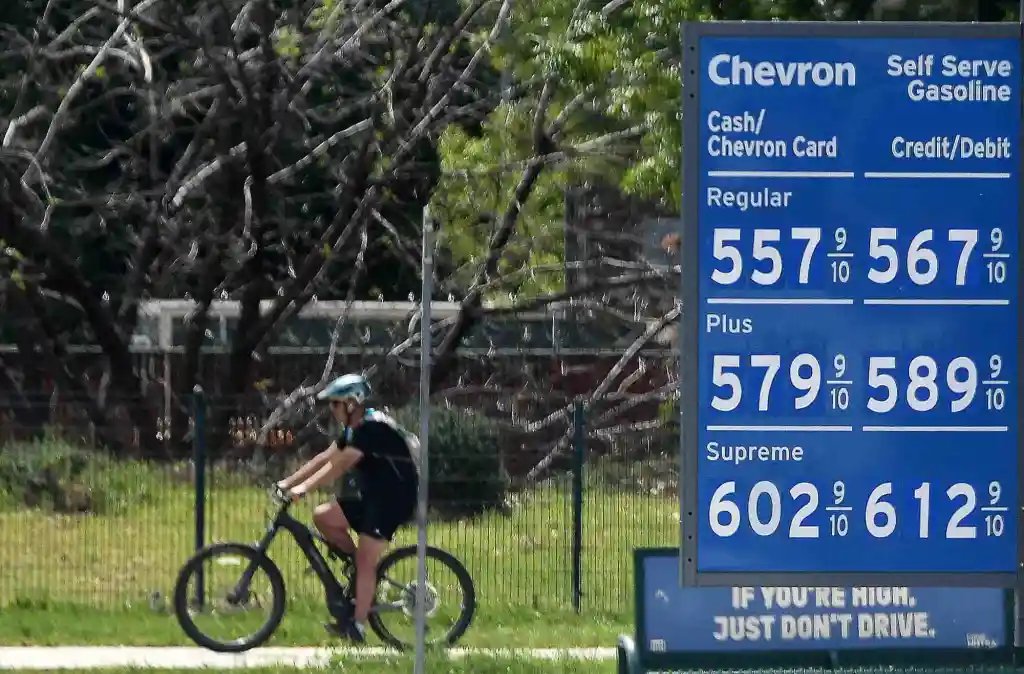
San Jose Mayor Matt Mahan called for a temporary suspension of California’s gas tax, which sits at about 61 cents per gallon.

Former Los Angeles Mayor Antonio Villaraigosa, meanwhile, recently vowed to support in-state oil and gas production, reform certain regulations that have been burdensome to refineries and issue fuel assistance payments to low-income households in certain situations. Suspending the gas tax, however, is not part of his proposal.
“Californians are getting hammered at the pump because Sacramento has made decisions that drive up costs and reduce supply,” said Villaraigosa. “We can lower prices, protect good-paying jobs and still lead on climate change if we take a practical approach that puts working families first.”

Mahan called the ongoing conflict with Iran in the Middle East — which has upended global oil markets and caused skyrocketing gas prices across the U.S. — a “man-made disaster” that the state could provide relief for its ramifications.
“I recognize that a temporary suspension of revenues we rely on to fix our roads carries a cost,” said Mahan. “But right now, the cost of doing nothing — for the millions of California families living paycheck to paycheck and struggling to pay for groceries, medicine or the rent — is far greater.”
“The most immediate and effective way we can make California more affordable right now is by temporarily suspending our gas taxes,” he said.

Riverside County Sheriff Chad Bianco, a Republican gubernatorial candidate, speaks during a Choose Children town hall meeting at the California Community Foundation in Los Angeles on Tuesday, March 17, 2026. (Photo by Sarah Reingewirtz, Los Angeles Daily News/SCNG)


1 of 3
Riverside County Sheriff Chad Bianco, a Republican gubernatorial candidate, speaks during a Choose Children town hall meeting at the California Community Foundation in Los Angeles on Tuesday, March 17, 2026. (Photo by Sarah Reingewirtz, Los Angeles Daily News/SCNG)
Riverside County Sheriff Chad Bianco, the other top Republican candidate in the race, said tackling oil regulations is one of his top priorities if elected. In an interview before an intimate town hall on affordability in downtown L.A. on Tuesday, Bianco said he wants to see California become “oil independent,” which he said would, in turn, lower gas prices.
“Our oil regulations are forcing us to buy oil from other places at higher cost, at higher expense, at more damage to the environment — all to make other places rich instead of California,” Bianco said. “That’s immediately going to end. The regulations on our oil industry end the moment I’m sworn in.”
Housing
Having a home, said billionaire Tom Steyer in a new plan unveiled last week, is essential to “how you achieve the California dream.” The Democratic candidate said he wants California to undertake a “historic level of production” of housing, and that runs the gamut from single-family homes to apartments to shelters and transitional housing.

Steyer’s plan includes streamlining housing financing and zoning and permitting, especially near public transit. He pointed to the recent law signed by Gov. Gavin Newsom meant to boost the production of large apartment buildings near public transit hubs, throwing his support behind it while also advocating for accountability to ensure the new construction is executed.
Among the many other proposals in his housing plan, Steyer — who has embarked on town halls across the state dubbed “Shared Prosperity” — vowed California would build 1 million new homes over four years.
College tuition
Once upon a time — in the 1960s, really — California’s college systems did not charge tuition. Former Rep. Katie Porter, an Irvine Democrat, wants to bring that back, in a way.

Porter, in her recent proposal, said she would build upon a state program that already offers free community college schooling for first-time students by waiving tuition for the third and fourth years at a UC or Cal State campus.
“California should never have gone back on its promise of a tuition-free degree, saddling students with massive student debt and growing fear over their financial future,” Porter said, calling her plan “the kind of big-idea, people-first leadership that I will champion as governor.”
