

Introduction: The Evolution of The Walking Dead Franchise
The Walking Dead franchise, which began with the eponymous television series in 2010, has since evolved into a significant cultural phenomenon. The original show, based on the comic book series by Robert Kirkman, Tony Moore, and Charlie Adlard, introduced audiences to a post-apocalyptic world overrun by zombies. The central theme revolved around survival amid a constant threat from the undead, forcing characters to confront not only their daily struggles but the complexities of human nature in times of crisis.
You May Also Like

The initial reception of The Walking Dead was overwhelmingly positive, with critics and viewers praising its character development and the moral dilemmas presented throughout the narrative. The show’s ability to blend horror with deep personal stories resonated with audiences, allowing it to cultivate a loyal fan base. As the series progressed, fundamental themes such as community, leadership, and ethical decision-making were examined, showcasing the characters’ resilience and evolution in a world devoid of societal norms.
Following this success, Fear of The Walking Dead was introduced in 2015 as a companion series. It was designed to explore the early days of the zombie apocalypse from a different perspective, focusing on a diverse family navigating the initial chaos. While maintaining a similar tone to its predecessor, Fear of The Walking Dead offered a more intimate portrayal of relationships and the breakdown of society. However, early critical reception was mixed, with some viewers feeling that it did not capture the same intensity as the original series.
As both series have progressed, changes in narrative focus have emerged, reflecting broader societal concerns alongside the survivalist themes that initially defined them. This shift signifies the evolving nature of the franchise and its responses to contemporary issues, setting the stage for a deeper exploration of societal agendas intertwined with the ever-present threat of the undead.
The Shift in Themes: From Survival Horror to Societal Commentary
The narrative evolution of ‘The Walking Dead’ and its companion series ‘Fear of The Walking Dead’ marks a significant shift from a focus predominantly on survival horror to a broader exploration of societal commentary. Initially, the franchise thrived on the intense experiences of surviving in a world overrun by zombies, effectively capturing audience attention through visceral horror and relentless tension. However, as the series progressed, it began to delve deeper into the complexities of human behavior and social structures in a post-apocalyptic landscape.
One pivotal aspect of this thematic evolution is the increasing prominence of social issues, particularly in relation to race, gender, and politics. For instance, the introduction of characters such as Michonne and Ezekiel brought discussions surrounding race to the forefront, challenging preconceived notions of leadership and heroism within the context of a fractured society. Similarly, the character development of women, notably Carol and Maggie, demonstrated a progression in portraying female agency, resilience, and empowerment in a dire context.
The incorporation of political themes has also been notable. The depiction of communities striving for autonomy, grappling with governance, and confronting tyranny reflects contemporary societal dynamics, thus resonating with audiences on a deeper level, beyond mere survival narratives. This multidimensional approach has engendered a more robust viewer engagement, prompting discussions around morality, ethics, and the fabric of society amidst chaos.
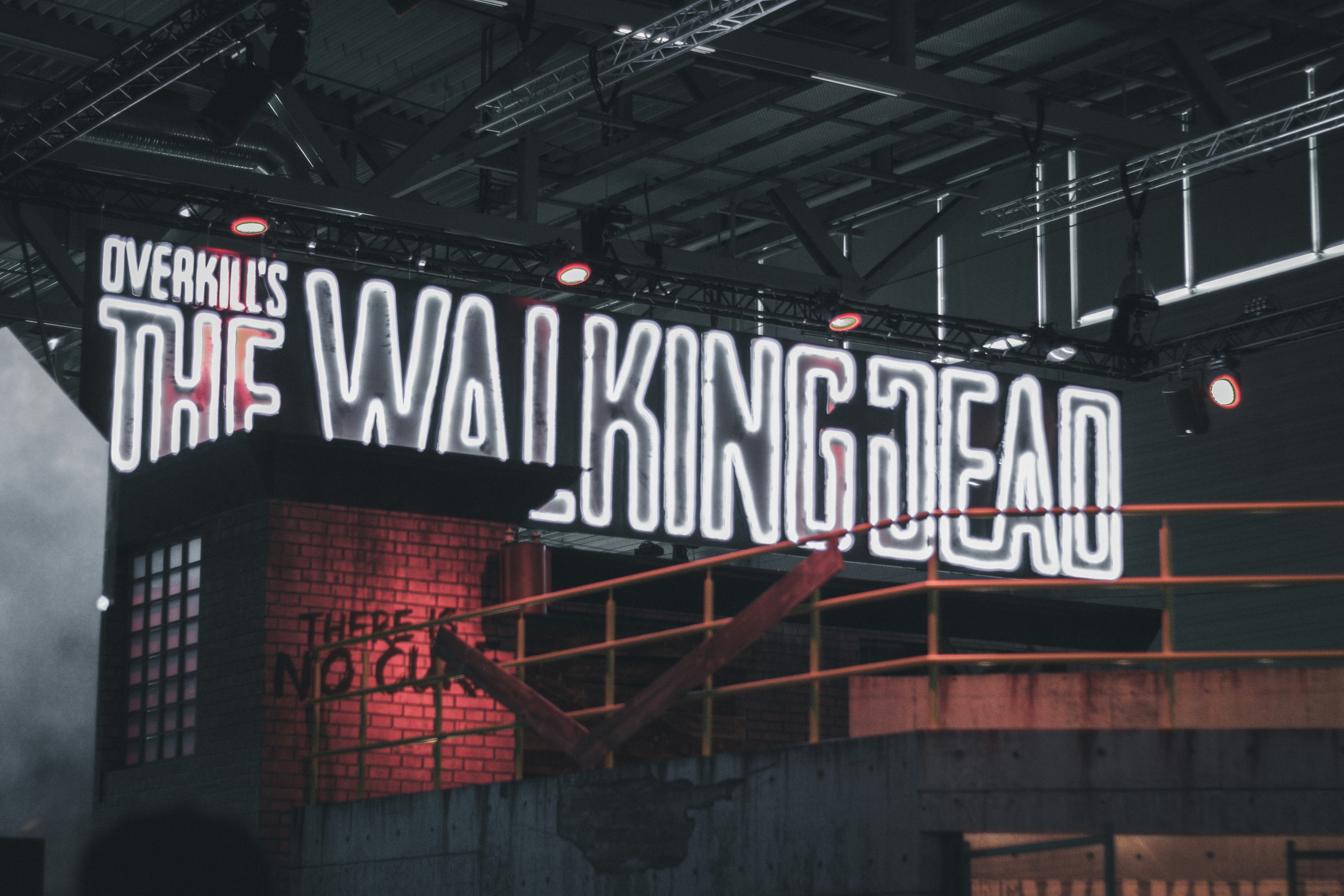
From this vantage point, the transition is not merely a change in storytelling but a bold commentary that reflects real-world societal struggles. As viewers began to recognize these layered themes, their reception of the series transformed, actively engaging with the underlying messages rather than simply consuming horror. This shift not only distinguished the franchise within the genre but also elevated its relevance in modern pop culture discussions.
Characters and Their Development: Vehicles for Agenda-Driven Narratives
The character development in both The Walking Dead and Fear of The Walking Dead serves as a compelling lens through which societal agendas are articulated and explored. These characters, be they protagonists or antagonists, are not only pivotal to the storyline but also function as conduits for underlying themes and messages. Their journeys often reflect larger social issues such as morality, survival, and human interaction during crises.
For instance, Rick Grimes, the central character of The Walking Dead, evolves from a law enforcement officer into a ruthless leader who is forced to confront ethical dilemmas amidst the chaos of a post-apocalyptic world. His character arc raises questions about justice and authority, representing a critique of societal values when confronted with extreme circumstances. Conversely, the character of Negan, as an antagonist, personifies the moral decay that can arise in a lawless environment. His complex motivations and backstory allow the narrative to investigate the fine line between villainy and leadership, effectively illustrating how societal pressures shape individual behavior.
Similarly, in Fear of The Walking Dead, characters like Madison Clark embody resilience as they navigate the collapse of societal structures. Their development highlights themes of family, sacrifice, and the intrinsic human struggle for survival. The juxtaposition of characters such as Madison with figures like Troy Otto, who embodies nihilistic tendencies, adds depth to the examination of human nature and moral ambiguity. This duality in character portrayals facilitates an exploration of societal breakdown and the primal instincts that emerge in dire situations.
Ultimately, while character development in these series can be seen as vehicles for conveying complex societal agendas, the effectiveness of this approach can be debated. Are these characters merely tools fashioned to forward a moralistic narrative, or do they hold their own as multidimensional individuals with authentic stories? This inquiry lies at the heart of analyzing the influence and impact of character arcs within the realm of zombie-focused narratives.
Conclusion: Is the Zombie Genre Diminished by Agenda-Driven Writing?
In evaluating the intersection of societal agendas and the traditional elements of the zombie genre, particularly through the lenses of “The Walking Dead” and “Fear of The Walking Dead,” it becomes evident that the incorporation of these agendas has stirred diverse opinions among viewers and critics alike. The zombie apocalypse, once primarily a narrative tool for pure horror and suspense, has evolved into a vehicle for addressing complex social issues, including morality, survival, and human interaction. This dual focus can lead to an enriching viewer experience when executed thoughtfully but may risk diluting the horror essence that originally defined the genre.
Throughout our analysis, it is apparent that both series have ventured into exploring themes of societal collapse, ethical dilemmas, and personal relationships in the face of overwhelming challenges. However, one must ask whether these persistent themes truly enhance the storytelling or if they distract from the raw, visceral terror that fans initially sought. The risk associated with agenda-driven narratives lies in their potential to overshadow the fundamental appeal of horror – the dread of the unknown, the fear of contagion, and humanity’s struggle against insurmountable odds.
Looking towards the future, the long-term implications for subsequent seasons of both series and similar shows in the genre may hinge on the balance achieved between these societal messages and the inherent horror elements. As audiences continue to expect more depth and substance, writers face a crucial decision: to deepen the sociopolitical discourse or to return to the genre’s roots focused solely on the frightful encounters with the undead. Thus, the evolution of the zombie genre will likely depend on the adaptability of its creators in responding to audience needs, potentially redefining what constitutes horror in the modern television landscape.
