

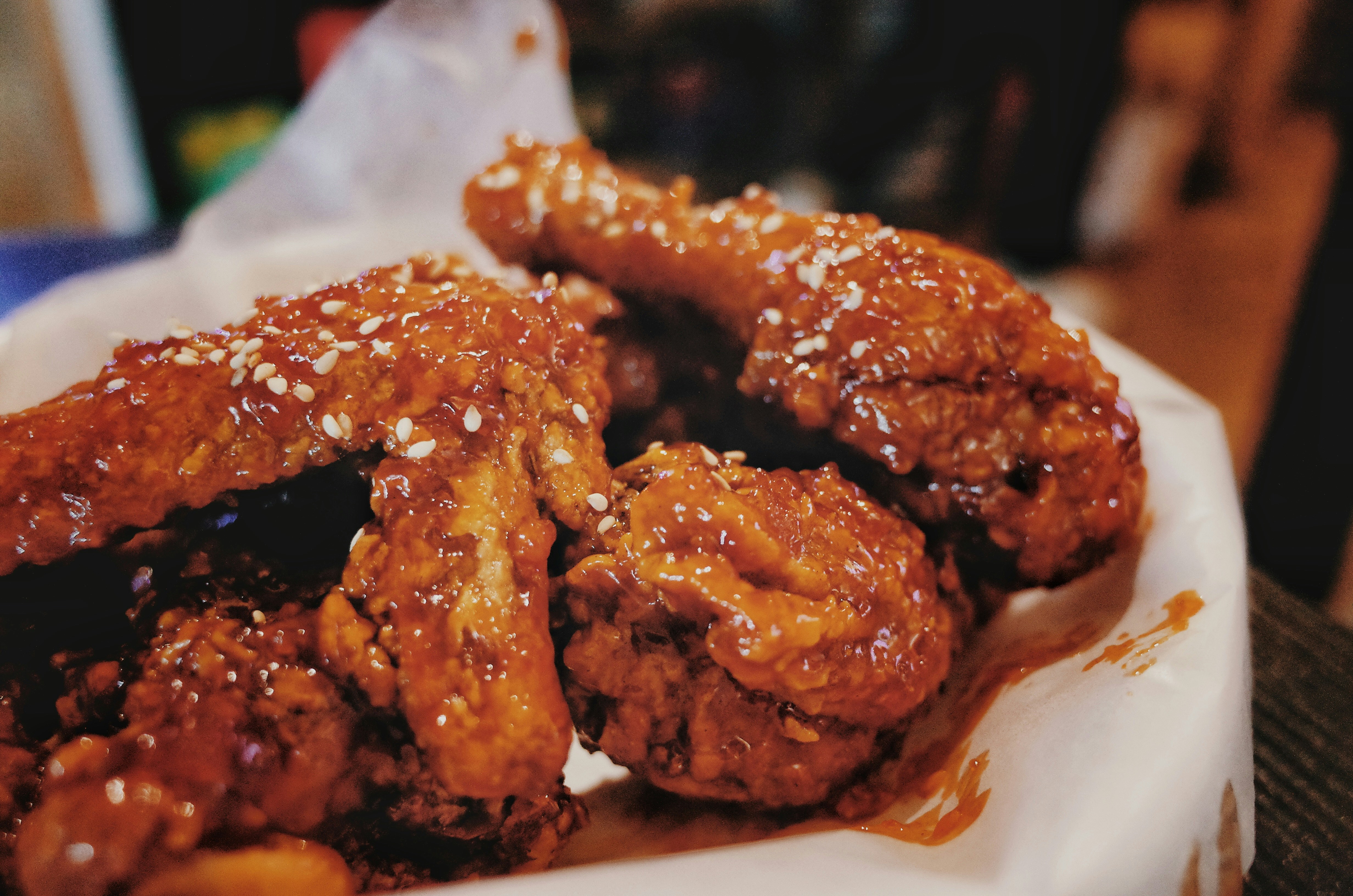
Introduction to Honey Chicken
Honey chicken is a beloved dish in various cuisines, particularly in Asian cooking, where its roots can be traced back to Chinese cuisine. This dish has gained immense popularity not only for its delightful taste but also for its versatility, making it a favorite in both home kitchens and restaurants. The combination of tender chicken enveloped in a rich, sticky glaze of honey offers a unique flavor profile that strikes a perfect balance between sweetness and savoriness, enticing the palate of many.
You May Also Like
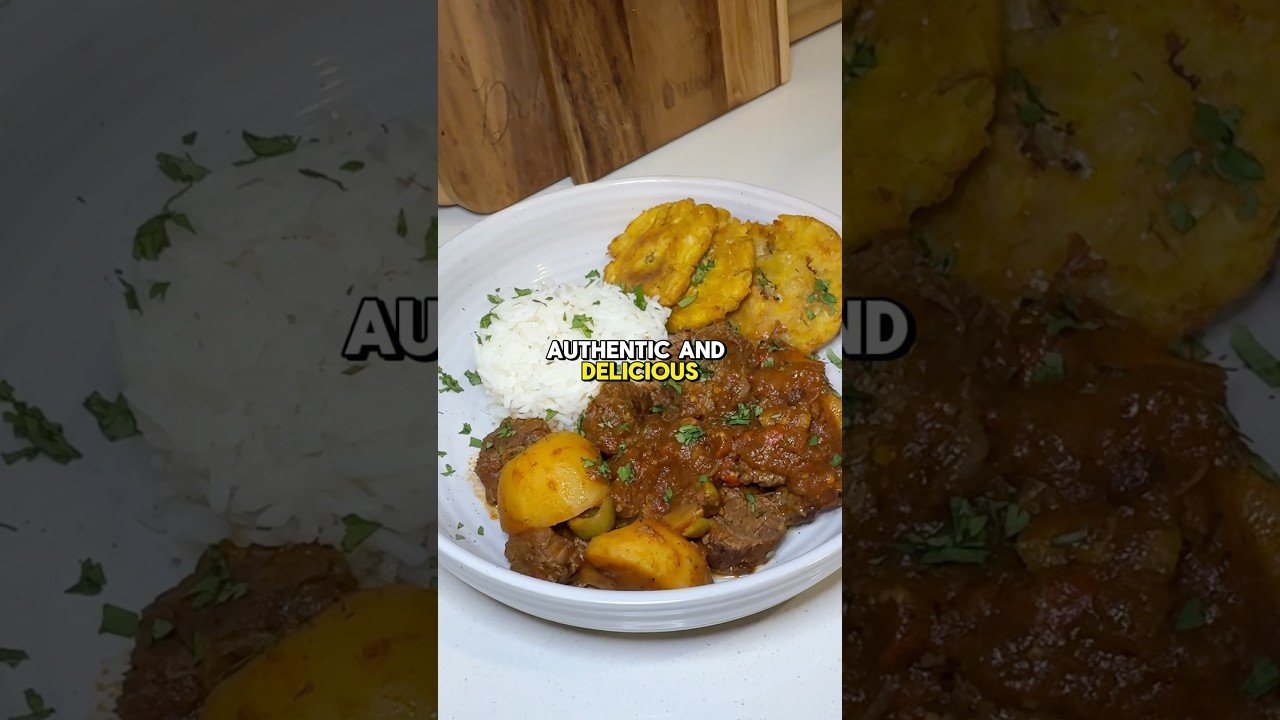

The star of honey chicken is undoubtedly the sweetness derived from honey itself, which complements the natural flavors of the chicken. This interplay of flavors is what makes the dish so special. The sweetness from the honey is harmoniously balanced with seasoning typically found in savory dishes, such as garlic and soy sauce. These elements work in conjunction to create a dish that is both comforting and satisfying.
Choosing braising as the cooking method for honey chicken is intentional and advantageous. Braising involves cooking the chicken slowly in a flavorful liquid over low heat, which results in exceptionally tender meat. This method allows the chicken to absorb the flavors of the honey and any additional ingredients during the cooking process. Additionally, braising enhances the dish by enabling the sauce to thicken and become more concentrated, ensuring that each bite is bursting with flavor. As it simmers, the chicken becomes succulent, and the honey transforms into a luscious glaze that clings delightfully to the meat. This ensures that the final dish is not only tender but also rich in flavor, making honey chicken a truly delightful culinary experience.
Ingredients Needed for Honey Chicken
Creating the perfect honey chicken utilizing the braising method requires a thoughtful selection of ingredients that enhance flavors and ensure tenderness. The main protein required for this dish is a whole chicken or chicken pieces, such as thighs or drumsticks. Dark meat is often preferred due to its richer flavor and succulent texture after cooking.
For the honey component, selecting high-quality, pure honey is crucial as it significantly impacts the sweetness and overall flavor profile of the dish. Aim for varieties that are raw and organic when possible to get the most health benefits and natural taste.
Soy sauce is another key ingredient, lending its umami richness to the honey chicken. Opt for low-sodium soy sauce if you wish to control the saltiness of the dish. If you are aiming for a gluten-free alternative, tamari can serve as a suitable replacement without sacrificing flavor.
Fresh garlic and ginger are essential for adding depth to the dish. Three to four cloves of garlic, minced, alongside a one-inch piece of ginger, julienned or grated, will infuse the chicken during the braising process. For convenience, pre-minced versions can also be used, though fresh delivers a superior taste.
Additional herbs and spices can elevate the flavors even further. Consider including freshly chopped scallions, sesame oil for a nutty aroma, and black pepper for a touch of heat. For those who enjoy a hint of sweetness with a kick, a splash of chili paste or a dash of five-spice powder can be appealing.
When shopping for these ingredients, selecting fresh produce and well-packaged items is essential to ensure optimal taste and quality. If you encounter any specific items that are not available, feel free to explore substitutions that still align with the core flavors of the dish, such as changing the type of onion or utilizing a different sweetener like maple syrup in place of honey.
Step-by-Step Braising Method
Braising is a cooking technique that involves both dry and wet heat, typically used for tougher cuts of meat. For honey chicken, it encompasses several crucial steps that ensure rich flavor and tender texture. The first step involves selecting the right chicken cut. Chicken thighs are recommended for this recipe due to their moist and flavorful qualities. Rinse the chicken under cold water and pat it dry with paper towels to remove excess moisture.
The next stage is to prepare your braising pot. Heat a few tablespoons of oil over medium-high heat in a heavy-bottomed Dutch oven or skillet. Once hot, add the chicken pieces skin-side down, searing them for about 4-5 minutes until they develop a golden-brown crust. This is an essential step as searing not only enhances flavor but also creates a fond that will contribute to the sauce later.
After searing, remove the chicken and set it aside. In the same pot, add aromatics like minced garlic, diced onions, and ginger to sauté for a couple of minutes until they release their fragrances. Next, it’s time to incorporate the braising liquid. For honey chicken, a mixture of honey, soy sauce, chicken stock, and a splash of vinegar works beautifully to create a balanced sauce. Stir to combine the ingredients before returning the chicken to the pot.
Cover the pot with a lid and lower the heat to a gentle simmer. It is vital to maintain a consistent temperature during this phase to ensure even cooking. The ideal braising time for honey chicken is about 30-40 minutes, depending on the size of the chicken pieces. To check for doneness, use a meat thermometer to ensure that the internal temperature reaches 165°F (74°C).
Once the chicken is fully cooked, allow it to rest for a few minutes before serving, which helps to retain its juices. The result will be succulent chicken infused with the delightful flavors of your braising liquid, perfectly embodying the essence of food connectz.
Serving Suggestions and Variations
When it comes to serving honey chicken, the dish offers versatility that can cater to a variety of palates and dietary preferences. A popular choice is to serve the honey chicken over a bed of steamed rice, allowing the flavorful sauce to absorb into the grains, adding a delightful depth of flavor. Alternatively, pairing honey chicken with jasmine or basmati rice can elevate the dish further with fragrant notes that complement the sweetness of the honey.
For those who prefer a lighter meal, serving honey chicken alongside a medley of sautéed or steamed vegetables—such as broccoli, bell peppers, and snap peas—provides a colorful and nutritious contrast. This presentation not only enhances the dish visually but also increases its health benefits, making it suitable for a range of dietary needs.
In terms of garnishing, consider topping the honey chicken with thinly sliced green onions or sesame seeds to add a touch of crunch and freshness. Fresh herbs like cilantro or parsley can also contribute a vibrant note, enhancing the overall appeal of the dish.
For creative variations on the traditional honey chicken, one can explore different flavor profiles. For those who enjoy a spicy kick, incorporating chili flakes or Sriracha into the honey glaze will add warmth without compromising the dish’s signature sweetness. Alternatively, to create a healthier version, consider using skinless chicken breast and substituting honey with a natural sweetener like agave syrup or maple syrup, reducing the overall caloric content while maintaining flavor.
In conclusion, honey chicken can be adapted to suit diverse preferences through various serving styles and thoughtful ingredient adjustments. Whether enjoyed in its classic form or tweaked for a healthier or spicier touch, it remains a delightful centerpiece for any meal.
