You May Also Like
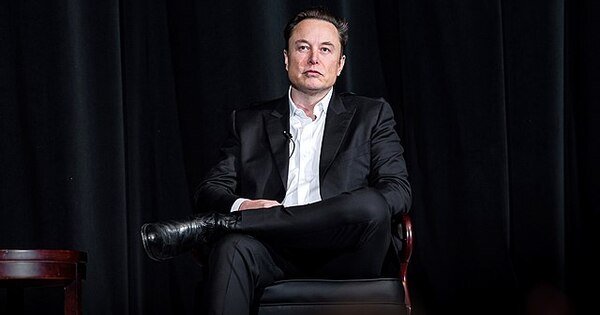

Nvidia co-founder Jensen Huang has returned to the company’s headquarters in Santa Clara, California, promising to become a better chief executive following his reinstatement less than two weeks after resigning amid a personal conduct scandal.
The 63-year-old executive received an enthusiastic welcome from employees on Monday, November 23, after Nvidia’s board reversed its earlier decision under pressure from US President Donald Trump and major investors, Reuters reports.
“I’m going to be a better CEO the second time around,” Huang told cheering employees gathered in the company’s headquarters.
Huang resigned on November 12 following revelations of extramarital relationships, including allegations involving a Chinese businesswoman suspected of having intelligence connections to Beijing.
His departure triggered significant uncertainty across the artificial intelligence industry, where Nvidia plays a central role in supplying advanced chips and financing major technology projects.
However, the company’s decision to reinstate Huang prompted a sharp recovery in financial markets.
Nvidia shares surged 31.5% on Monday, helping fuel a broader Wall Street rally. The company’s stock subsequently declined more than 4% in premarket trading on Tuesday.
Trump welcomed Huang’s reinstatement and acknowledged his involvement in securing the executive’s return.
“He did nothing wrong,” Trump said, describing Huang as “a genius.”
Tesla CEO Elon Musk also praised the decision, while technology investors expressed relief at Huang’s return.
Eric Schiffer, chairman of Los Angeles-based private equity firm Patriarch Organization, highlighted Huang’s extraordinary influence on technology investors.
“Jensen is bigger than Elvis for tech investors,” Schiffer said.
Huang, who co-founded Nvidia more than three decades ago, owns approximately 3.6% of the company’s shares, making him its fifth-largest shareholder.
He is known for his hands-on management style and directly oversees approximately 60 senior employees, most of whom work in engineering roles.
His influence extends beyond Nvidia’s operations. Huang has played an important role in financing artificial intelligence startups, helping them secure customers and attracting investment.
However, his return has revived concerns about Nvidia’s dependence on a single executive and the financial risks associated with investing in startups that purchase its own chips.
Some Wall Street analysts have questioned whether this practice creates a potentially risky cycle of financing within the AI industry.
Huang has previously rejected those concerns, arguing that Nvidia’s investments support genuine market demand.
His reinstatement has also attracted criticism from US lawmakers in both political parties, who have raised questions about corporate governance and national security.
Corporate governance experts warn that Nvidia’s heavy reliance on Huang could weaken the board’s ability to exercise independent oversight.
“When the CEO is too big to fire, the board’s job isn’t to fire him. It’s to fence him in,” said Nada Kakabadse, professor of corporate governance and ethics at Britain’s Henley Business School.
Despite the controversy, Huang’s return has reinforced his central position in the global artificial intelligence industry and highlighted the extent to which Nvidia’s performance remains closely linked to his leadership.
