
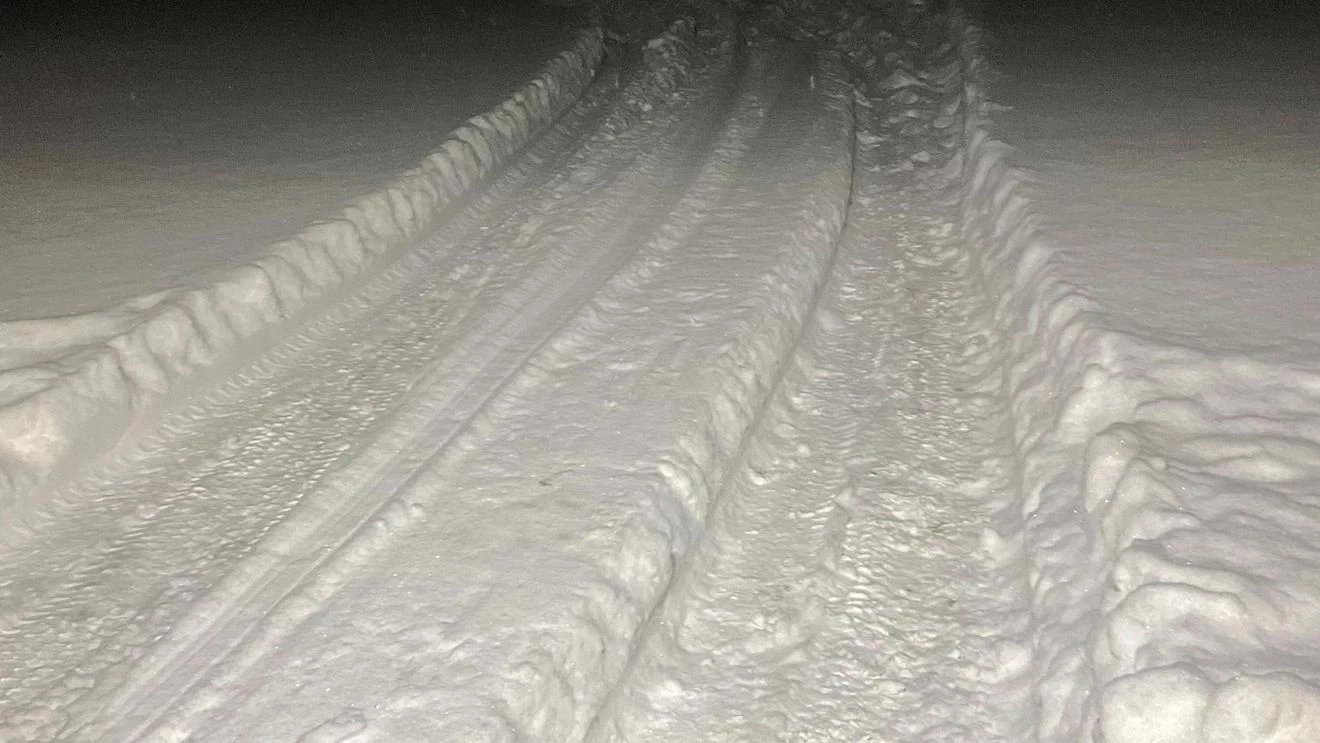
KALAMAZOO, Mich. — Road conditions across West Michigan remain dangerous as blowing snow, slick pavement, and rapidly changing temperatures continue to impact travel, prompting road officials to urge drivers to slow down or stay off the roads altogether.
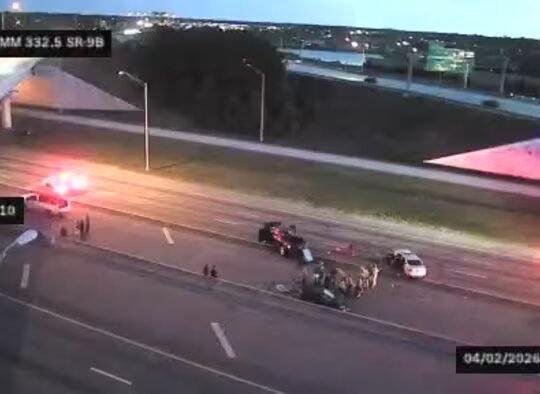
The warnings come just days after a massive, 100-plus vehicle pileup shut down I-196, highlighting how quickly winter driving conditions can turn deadly.
According to the Kalamazoo County Road Commission, crews are prioritizing major routes, but say not all roads will be treated during severe storms.
“Because of the intensity of the storm, the primary roads, the roads that are the busiest, we have focused most of our attention on,” said Mark Worden, public relations director for the Kalamazoo County Road Commission. “The fastest, the higher volume roads, that’s where we’ve been and we’re going to continue to focus on until we get those to an acceptable state.”
Worden said drivers should not expect back roads and lower-volume county roads to be in good shape.
“So those back roads, those county roads, these flats, they are going to be untreated,” he said. “Hopefully we’re staying, keeping the speeds low, driving for conditions, don’t rush.”
Snowplows have also been involved in several recent crashes, and Worden emphasized that drivers need to understand how plows operate and why state law requires motorists to stay back.
“The safest place to be is behind a plow truck, and state law is you’re supposed to stay 200 feet behind a plow truck. Don’t try and pass,” Worden said.
He said plow trucks frequently stop, spread salt or sand, and sometimes need to back up at intersections which are all reasons drivers should keep their distance.
“These trucks do come to stops at intersections and they will have to back up at times,” Worden said. “They have to make movements to clear the whole intersection, which means sometimes it requires backing up.”
Worden also warned that changing temperatures can create hazardous conditions long after snow stops falling.
“Later on with the thawing temperatures that we have right now, that salt is going to take effect and it’s going to make water,” he said. “If that water doesn’t get off the road, it’s going to turn to ice. It’s going to be black ice, and those intersections are going to be really slick.”
In those cases, Worden said crews may switch from salt to sand-salt mixtures to improve traction, particularly at intersections, hills and curves.
When it comes to driver behavior, Worden said one of the biggest problems is following too closely and failing to adjust to conditions.
“So as conditions get worse, we need to increase that distance between us and the car in front of us,” he said. “It’s unpredictable, especially on highway I-94, I-96, 131, notorious for those squalls that’ll come up and create whiteout conditions.”
Worden said drivers should trust their instincts and avoid unnecessary travel during severe weather.
“If you’re asking the question, ‘should I be on the road?’ Don’t be,” he said. “If you’re nervous about driving, you shouldn’t get behind the wheel.”
He also urged people to plan ahead and give themselves extra time.
“Double the time you normally would take to get someplace,” Worden said. “It’s better to be late than getting into an accident.”