What is your wabi-sabi? TikTok trend explained | story
People share the beauty in imperfections
At CBC Kids News, we love to hear from you. That’s why we regularly share questions related to the news and ask you to Have Your Say. Share your own experiences and opinions by filling out the form to submit your answer to this week’s question. Then check cbckidsnews.ca again next week to see if your thoughts are featured!
A gap in someone’s smile. A cat with polydactyl paws. A banana with a bruise in the shape of a heart.
If you’ve ever seen beauty in something that’s imperfect, you might be participating in wabi-sabi without knowing it.
Wabi-sabi is a Japanese esthetic philosophy that celebrates the beauty in imperfection. Over the last week, it’s created a buzz on TikTok since a sound featuring the term went viral.
Nearly half a million videos have been posted under the audio, with teens and tweens sharing how they apply wabi-sabi to their everyday lives.

Some examples of viral wabi-sabi TikToks. (Image credit: MasonLevings/TikTok, Glory.kephart6/TikTok, Snuggle575/TikTok)
So, where did the sound come from?
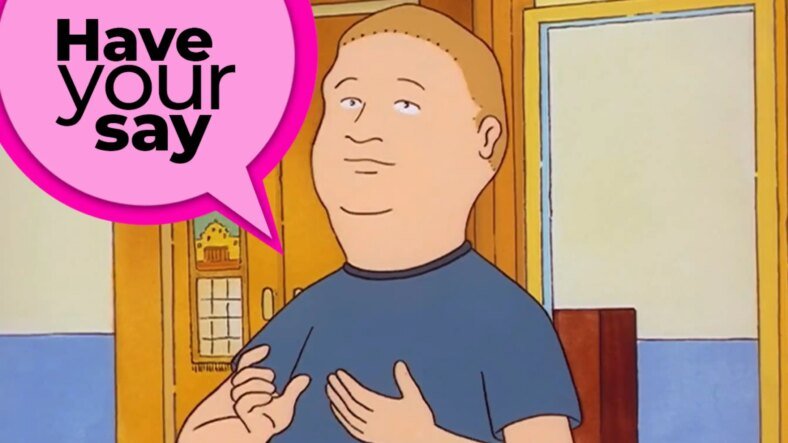
The viral TikTok sound comes from a popular 2000s TV show, King of the Hill. It features a quote from 13-year-old character Bobby Hill: “I like how mine’s a little off-centre — it’s got wabi-sabi.”
In the episode, Bobby discovers an unexpected passion for rose gardening. But when he has to select a perfect rose — as defined by a strict rule book — to enter in a competition, he pushes back.
Bobby delivers a heartfelt monologue that captures the essence of wabi-sabi.
“So what if this rose is a little too short, a little too wide? It’s got more personality than those other ones,” he says.
The episode highlights themes of conformity and rebellion against rigid ideas of beauty.
Now, more than two decades later, Bobby’s words have found a new life on TikTok.
Mixed online reaction
Is saying that someone is beautifully imperfect a back-handed compliment? It depends on who you ask.
Some people say the trend is an amazing way to promote self-acceptance. But others say there’s a difference between embracing your own wabi-sabi and pointing out someone else’s.
One TikTok user posted about her discomfort in being told she has wabi-sabi:

This TikTok user expresses their frustration with wabi-sabi being used in a back handed way. (Image credit: _.viktoriya.67/TikTok)
However, there seems to be more positive posts about wabi-sabi than negative ones.
Many young people are crediting wabi-sabi for helping them to embrace their own unique beauty, especially in a digital age where beauty standards can feel like a rule book.

These girls posted that wabi-sabi gave them a new way to embrace their insecurities. (Image credit: Mairead/TikTok, sierramcdonald30/TikTok, Killthemwith_kindness/TikTok)
Now that you know what wabi-sabi is, we want to know: what’s yours? Tell us where in your life you see beauty in the imperfect, whether it’s in yourself, a pet or even a rose like Bobby’s!
You can read the answers to our last Have Your Say question here:
Have more questions? Want to tell us how we’re doing? Use the “send us feedback” link below. ⬇️⬇️⬇️
TOP IMAGE CREDIT: Graphic design by Philip Street/CBC