8 iconic fashion trends from the last 50 years – chosen by experts
by internetconnectz.com
Fashion often acts as a mirror to society, reflecting values and sentiments through fabric and form. Alongside changing aesthetic tastes, over the past five decades, fashion trends have evolved as responses to social upheaval, economic shifts and cultural revolutions – from punk’s anarchic rebellion to athleisure’s wellness obsession.
We spoke to stylists, designers and educators to find out which trends and movements they thought were the most impactful of the last 50 years.
For more from the world of fashion, find out how graphic design has become as essential to fashion as the clothes themselves in this recent feature.
The rebellion of punk
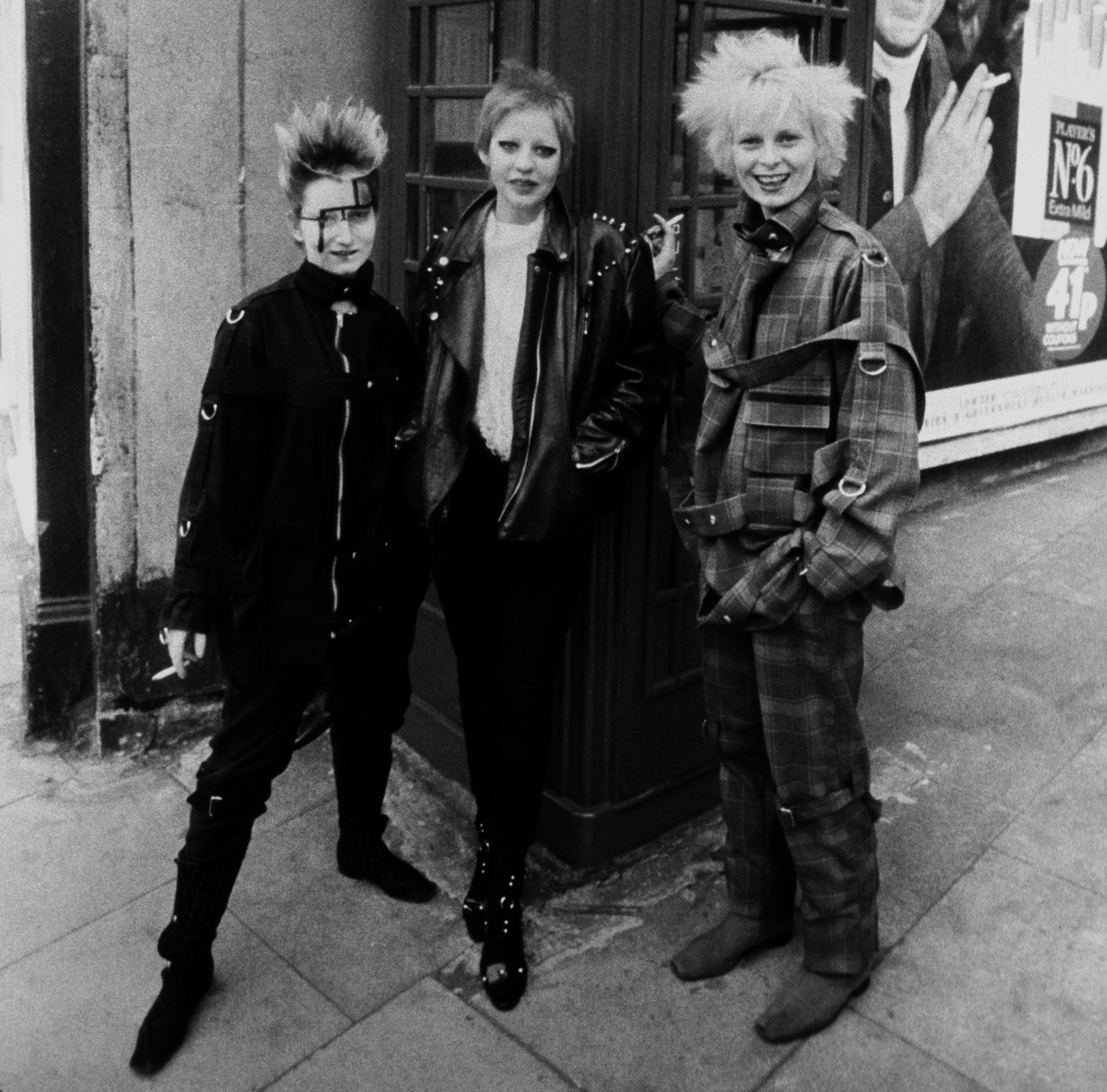
(Image credit: Tim Jenkins/Footwear News/Penske Media via Getty)
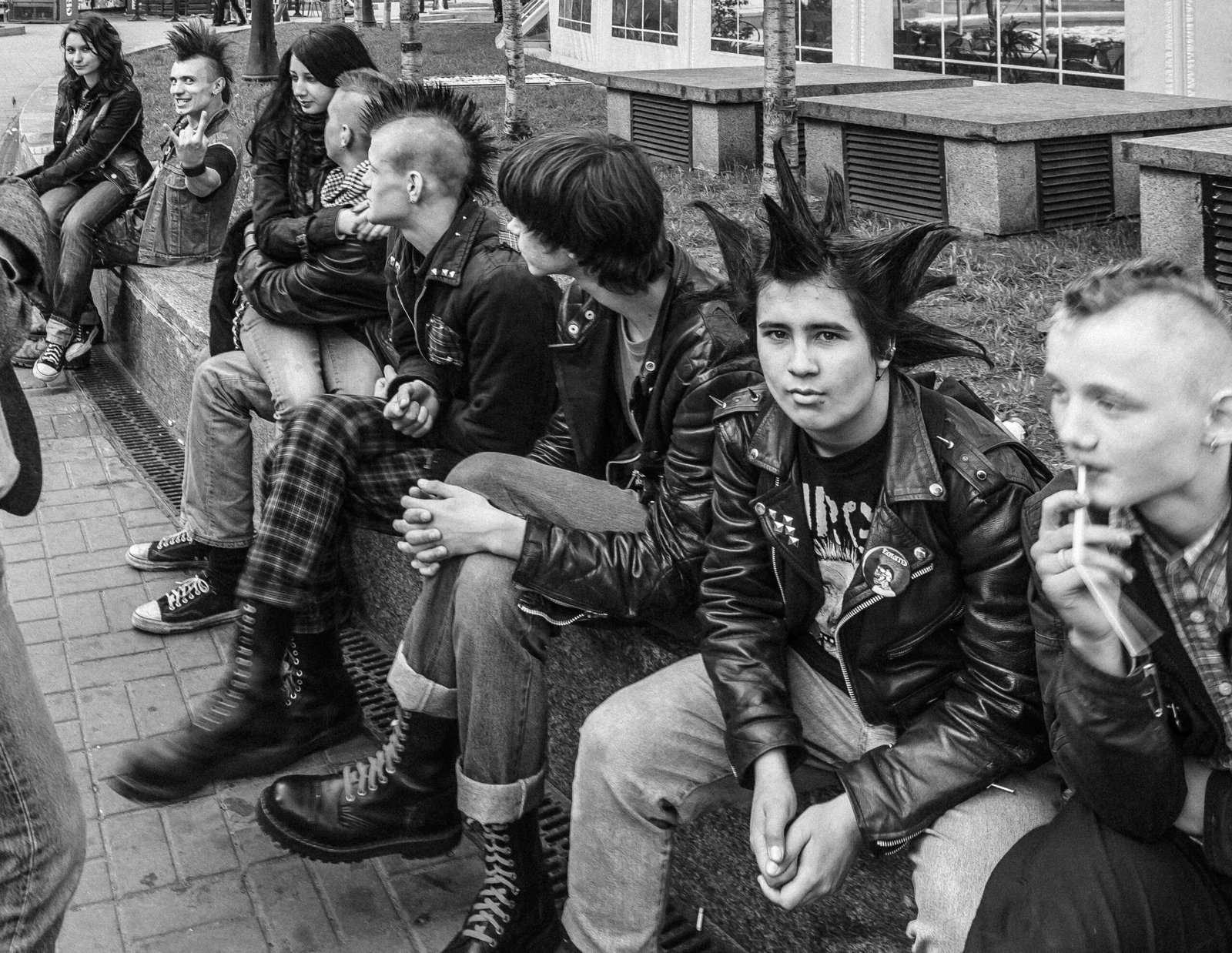
The punk movement emerged in the mid-1970s amid widespread unemployment and social inequality. Subverting conventional notions of beauty and respectability, punk style democratised rebellion for the working-class youth who felt abandoned by mainstream society.
They embraced a DIY aesthetic to turn poverty into power, with safety pins as jewellery and torn clothing. Unconventional hairstyles like mohawks were paired with non-traditional fabrics such as leather and vinyl. Beyond the homemade and transforming thrift store finds, Vivienne Westwood (pictured above right in 1977) and Malcolm McLaren’s boutique, Sex, played a key role in creating pieces for this anti-fashion movement aiming to shock the establishment and help style become a weapon against conformity and social exclusion.
“If we look back 50 years, so forward from 1975, the most significant thing I can think of is the influence of subcultures,” says Sonya Abreygo, design historian specialising in the history of American fashion. “Punk emerged in the later 70s and has key elements of style that have changed, evolved and shifted over time. It helped to usher in a lot of elements we see recombined over and over – colored, messy and choppy hair; studs on belts, chokers and pretty much anywhere; ripped and distressed clothing of all kinds, thrifted re-worked vintage and aggressive clashing colours.”
Hip-hop revolution
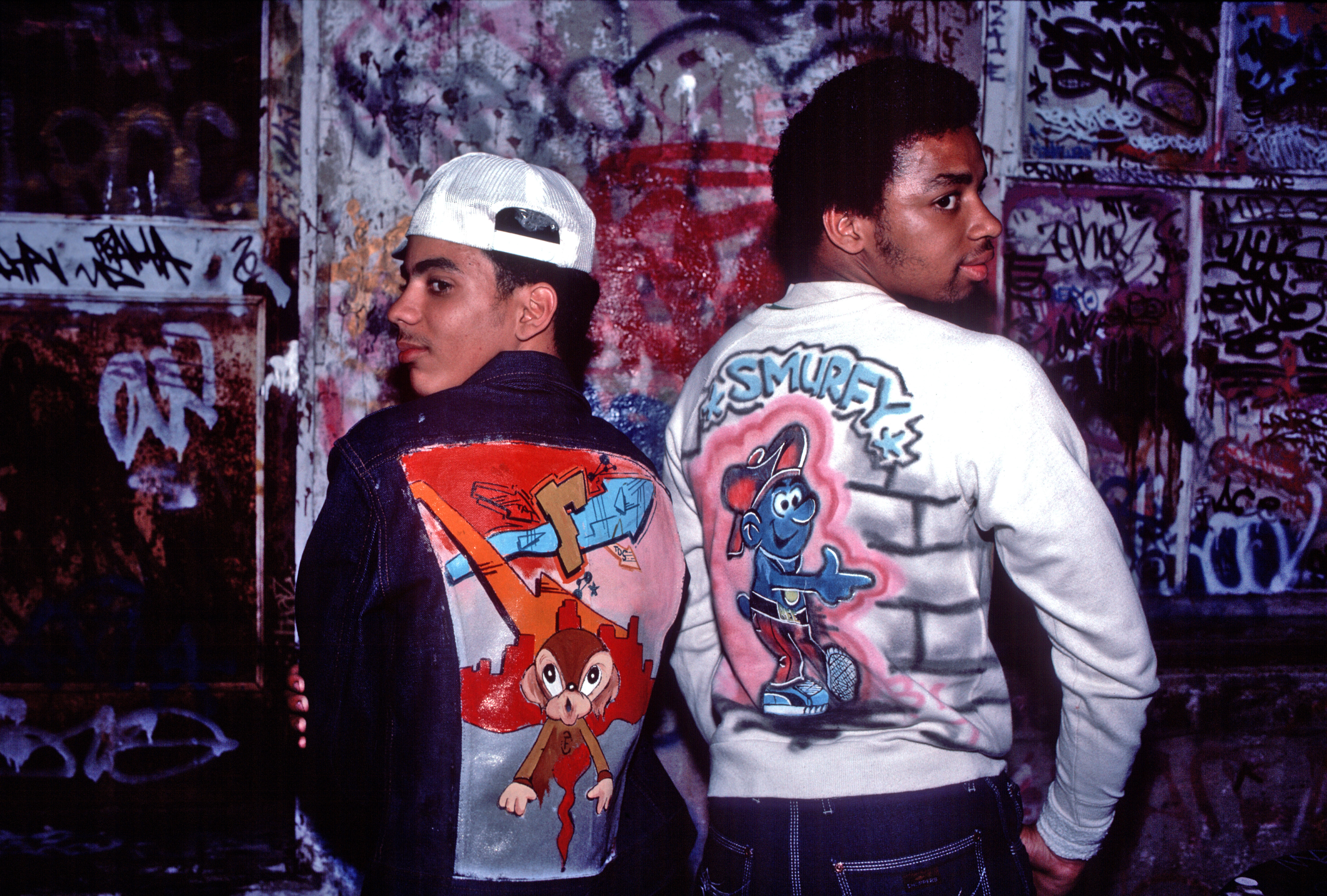
Hip-hop fashion in New York 1975 (Image credit: Allan Tannenbaum/Getty)
As punk raged across the UK and in downtown New York clubs, a different revolution was brewing in the Bronx. Hip-hop culture was emerging in the wake of economic turmoil in urban America, as budget cuts left communities desolate. Street fashion helped people form identity and status where traditional markers of success were absent.
Styles combined the flashy aesthetics of funk and disco, the athletic wear of basketball and break-dancing and the luxury aspirations of “fresh” garments like sneakers to represent dignity despite neglect by the system. Tied to the entrepreneurial spirit of hip-hop and rap and creating opportunities when traditional record labels ignored the genres, clothing offered a sense of “self-made” pride and status.
Daily design news, reviews, how-tos and more, as picked by the editors.
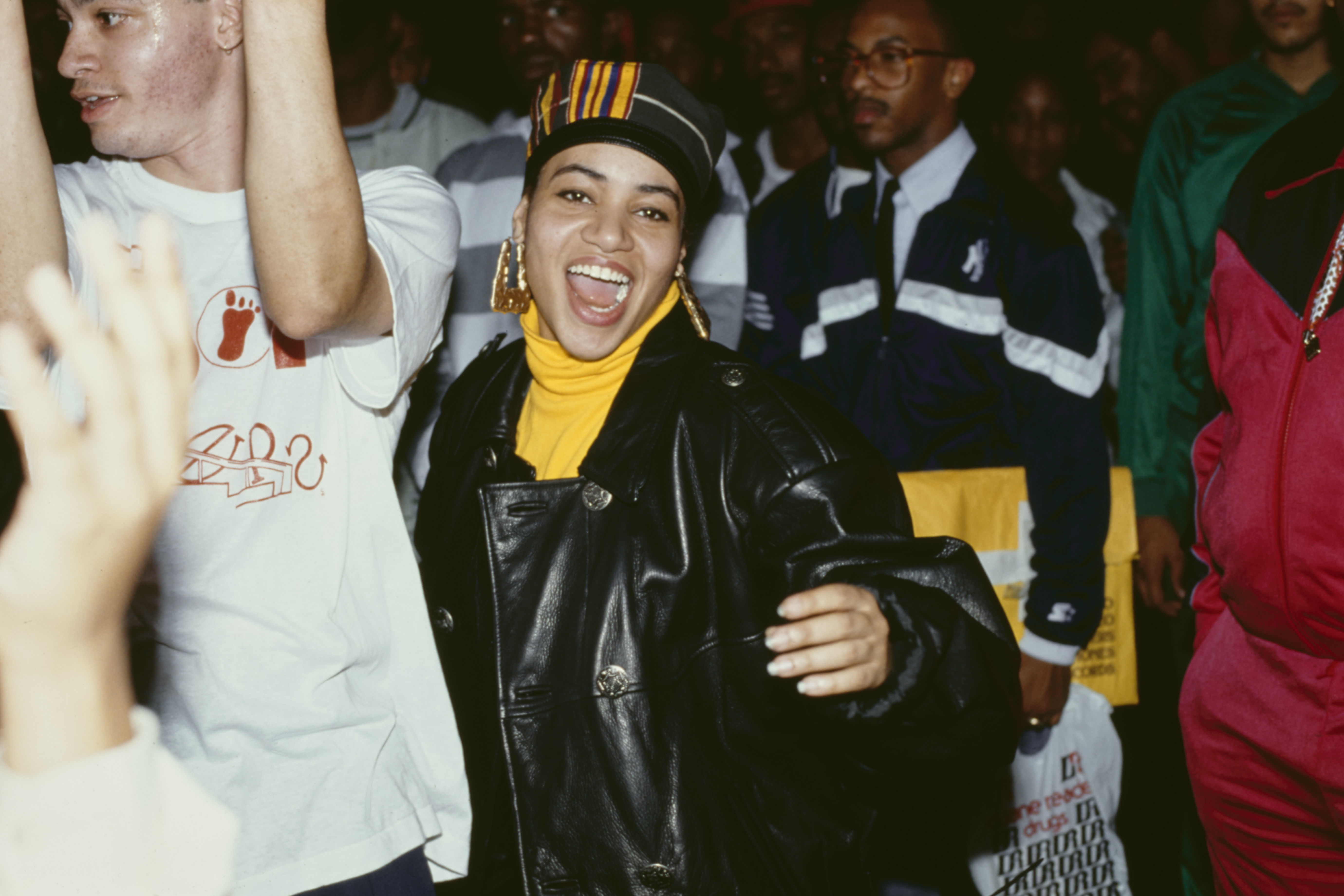
American rapper Salt of American hip hop band Salt-n-Pepa c. 1988 (Image credit: Michael Ochs Archives/Getty )
Hip-hop was another subculture that had a “huge influence on the way people dress from the 70s through to the present”, Sonya says. “Like any style, the sum is more than the total of its parts and it’s a look and music genre that has seen a lot of variation and change over the years”. Elements we continually see include, “bold jewelry, especially gold, graffiti graphics, sneakers as a statement item, and a lot of athletic gear, jerseys, track suits and so”, she adds.
Underwear as outerwear
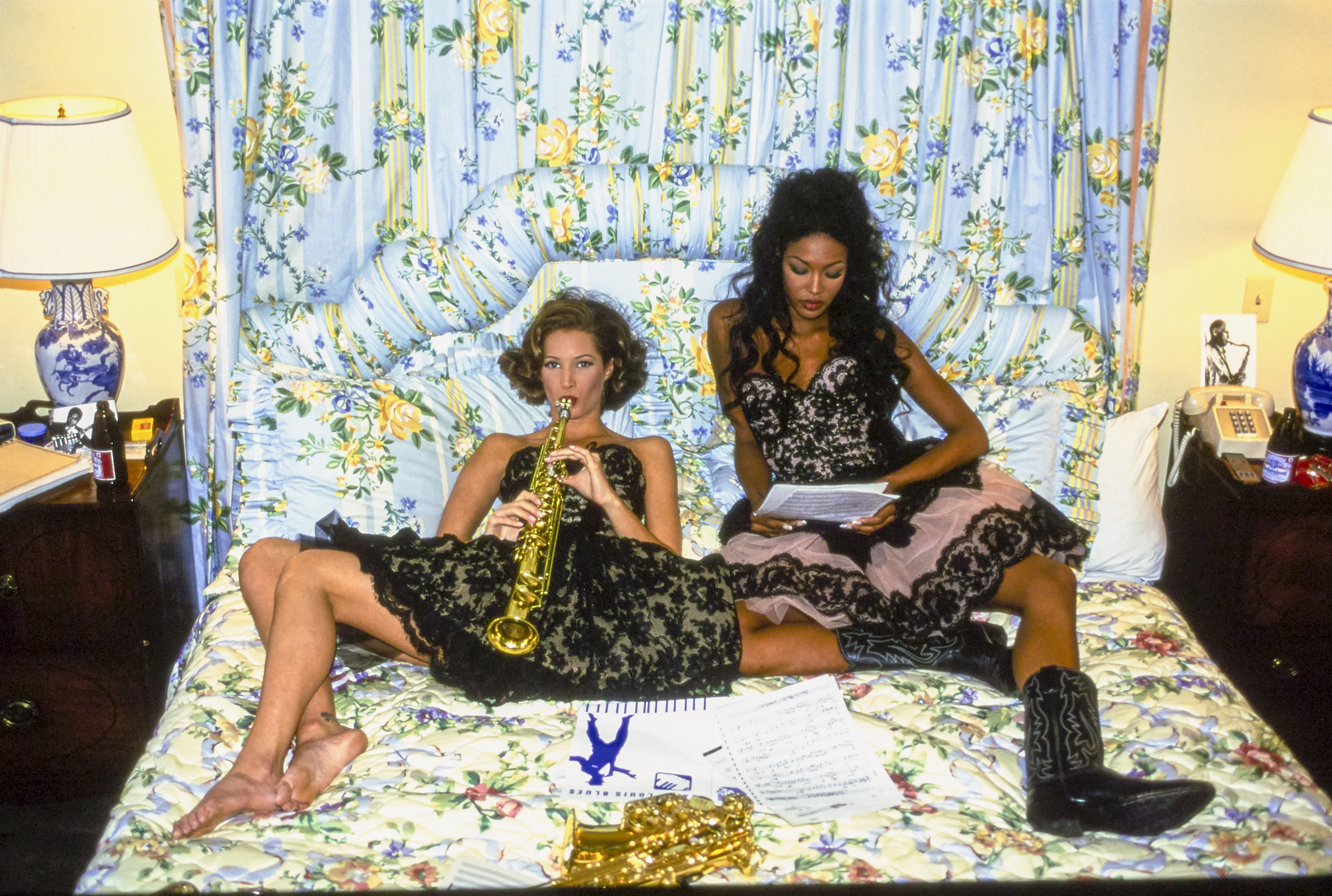
Models, Naomi Campbell (right) and Christy Turlington, New Orleans, LA, wearing black lace bustiers and skirts by Louis Dell’Olio for Anne Klein (Image credit: Arthur Elgort/Conde Nast via Getty)
This next trend represented a fundamental shift in attitudes toward sexual agency and femininity in the 1980s, as second-wave feminism and women’s economic independence were on the rise. Bustiers as tops, slip dresses as evening wear and visible bra straps challenged the idea that intimate clothing should remain hidden as women claimed ownership of their bodies and their image.
“The trend of underwear as outerwear started in the 1980s by Jean Paul Gaultier and more recently embraced by designers such as Charlotte Knowles, has helped the corset cycle in and out of fashion over the past four decades,” says Amber Brierley, senior lecturer for the fashion design technology BA at London College of Fashion, says.
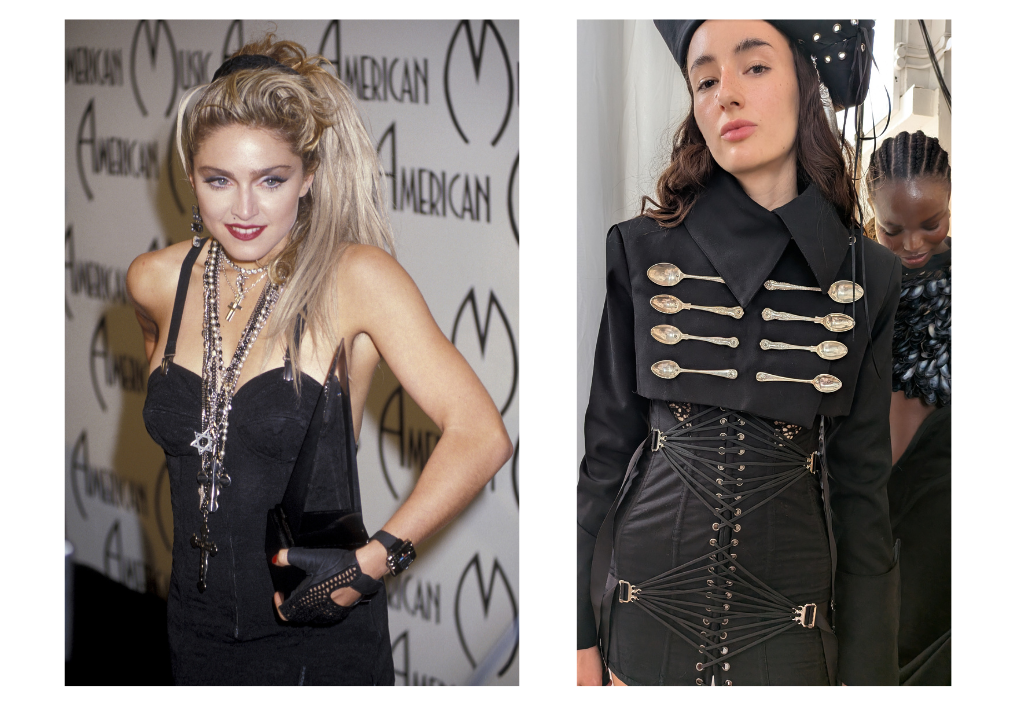
Madonna in 1985; a contemporary look by designer Bibi Butten (Image credit: Ron Galella/Ron Galella Collection via Getty; Bibi Butten)
Valerie Steele, director of The Museum at Fashion Institute of Technology in New York, and author of The Corset: A Cultural History, agrees. “After it largely disappeared in the early 20th century (except in the attenuated form of the elasticised girdle), corsetry reappeared in the early 1980s. Vivienne Westwood’s corsets tended to be inspired by 18th-century V-shaped corsets, while John Paul Gaultier liked 1950s, proto-Victorian, Merry Widow-style corsets.”
“Gaultier’s corset-bustiers for Madonna helped make corsetry more than a subcultural style. By the later 1990s, designers as diverse as Christian Lacroix, Thierry Mugler, John Galliano for Dior, and Alexander McQueen were all creating corsets – some evoking Victoriana, others drawing on subcultural fetish styles, even medical corsets, and non-western garments that superficially resemble corsets.”
It’s a trend that just keeps reappearing, she adds. “The causes are overdetermined, but some designers and customers are attracted to edgy fetish fantasies, while others are drawn to retro images of femininity, and others like the sexually-dimorphic curves that corsets produce.”
Volume and power dressing
The exaggerated forms of 1980s fashion, from large shoulder pads to oversized blazers and voluminous hair, was a reflection of the era’s cultural obsession with success and visibility. Clothing became an investment in personal branding, from power suits as armour to create presence in the boardroom, to bigger-is-better evening wear in dramatic fabrics and colours.
The volume trend also reflected advances in fashion manufacturing and synthetic materials. Designers were able to create increasingly structural pieces using padding, heavy fabrics and elaborate construction.
“80’s volume, as seen in puff sleeves, bubble hem skirts and dresses, is still so often referenced and instantly recognisable,” says personal shopper Lauren Douglass. “Especially worn with the big gold textured earrings that are everywhere now, inspired by vintage clip-ons.”
Baggy silhouettes
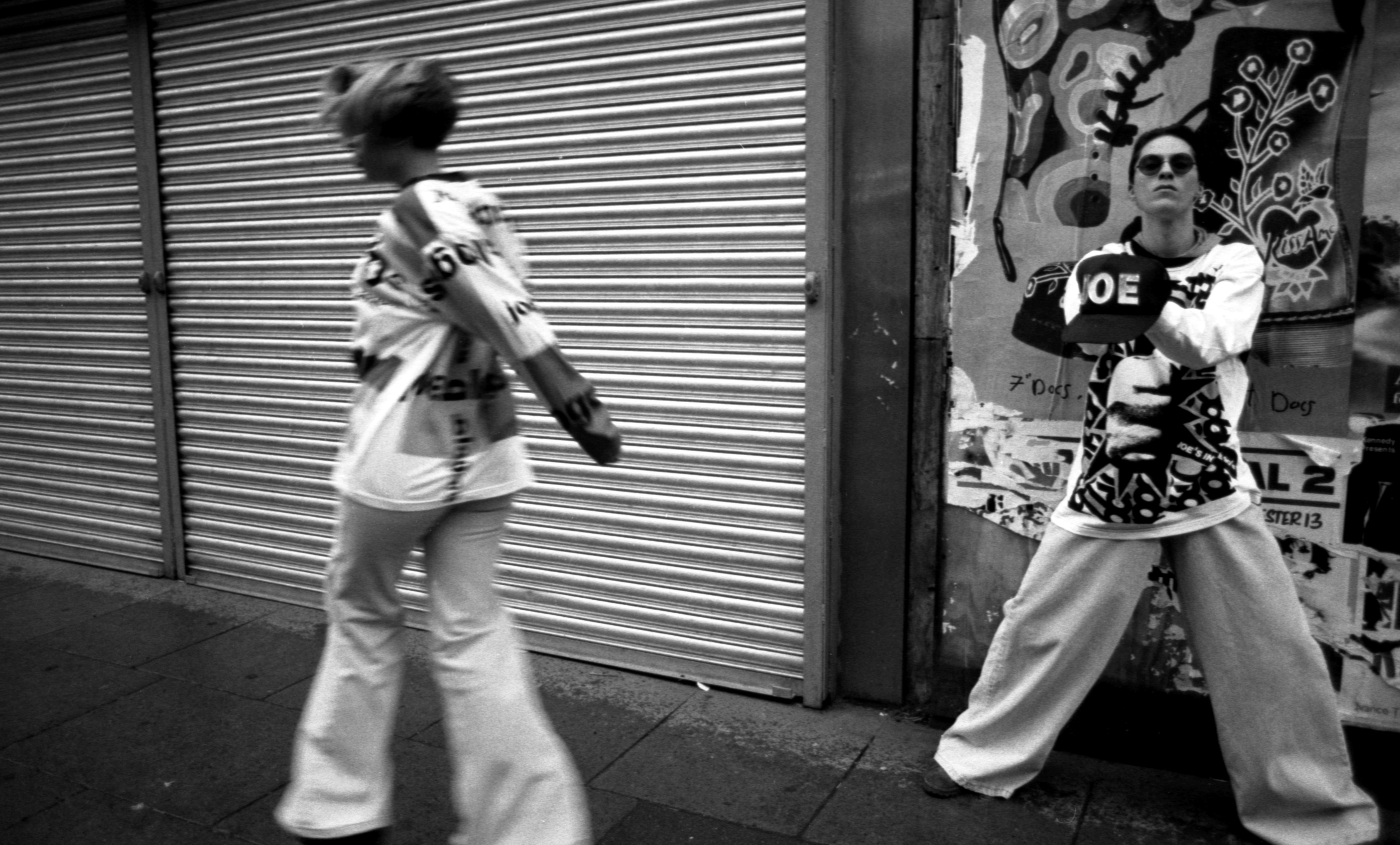
Kids in Joe Bloggs flares and baggy tops, Manchester, 1988 (Image credit: Getty)
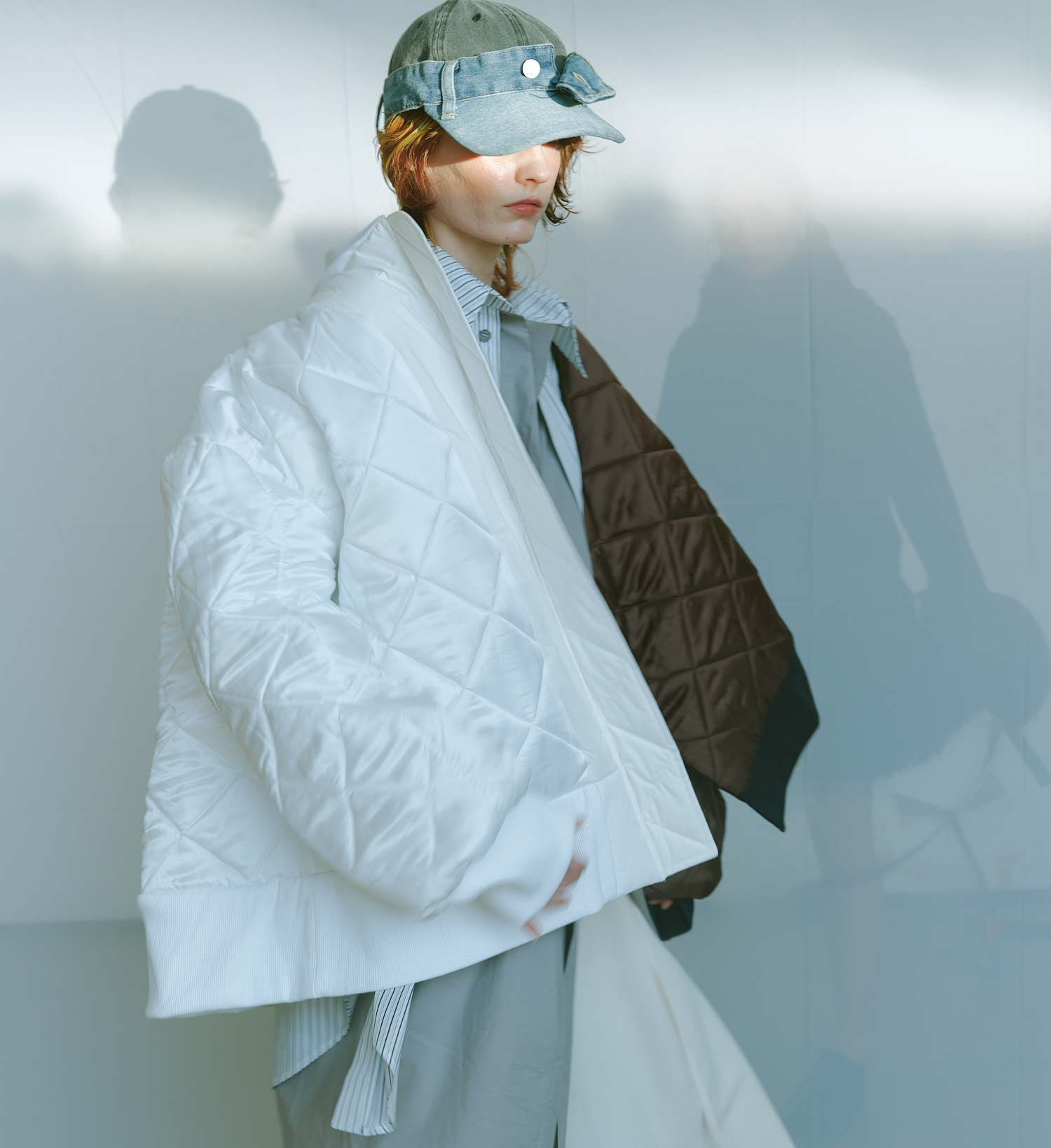
With economic uncertainty on the rise, the early 90s saw a dramatic turn away from the structured excess of the 80s. Baggy silhouettes emerged as a new generation rejected their parents’ formal dress codes and corporate conformity. With job security faltering, the power-dressing mentality was out, in favour of clothes that prioritised comfort and individual expression. It was also a look that democratised fashion – loose-fitting clothes were accessible, affordable, and didn’t require perfect bodies or expensive tailoring – while responding to changing gender dynamics and offering refuge from the body-conscious trends of previous decades.
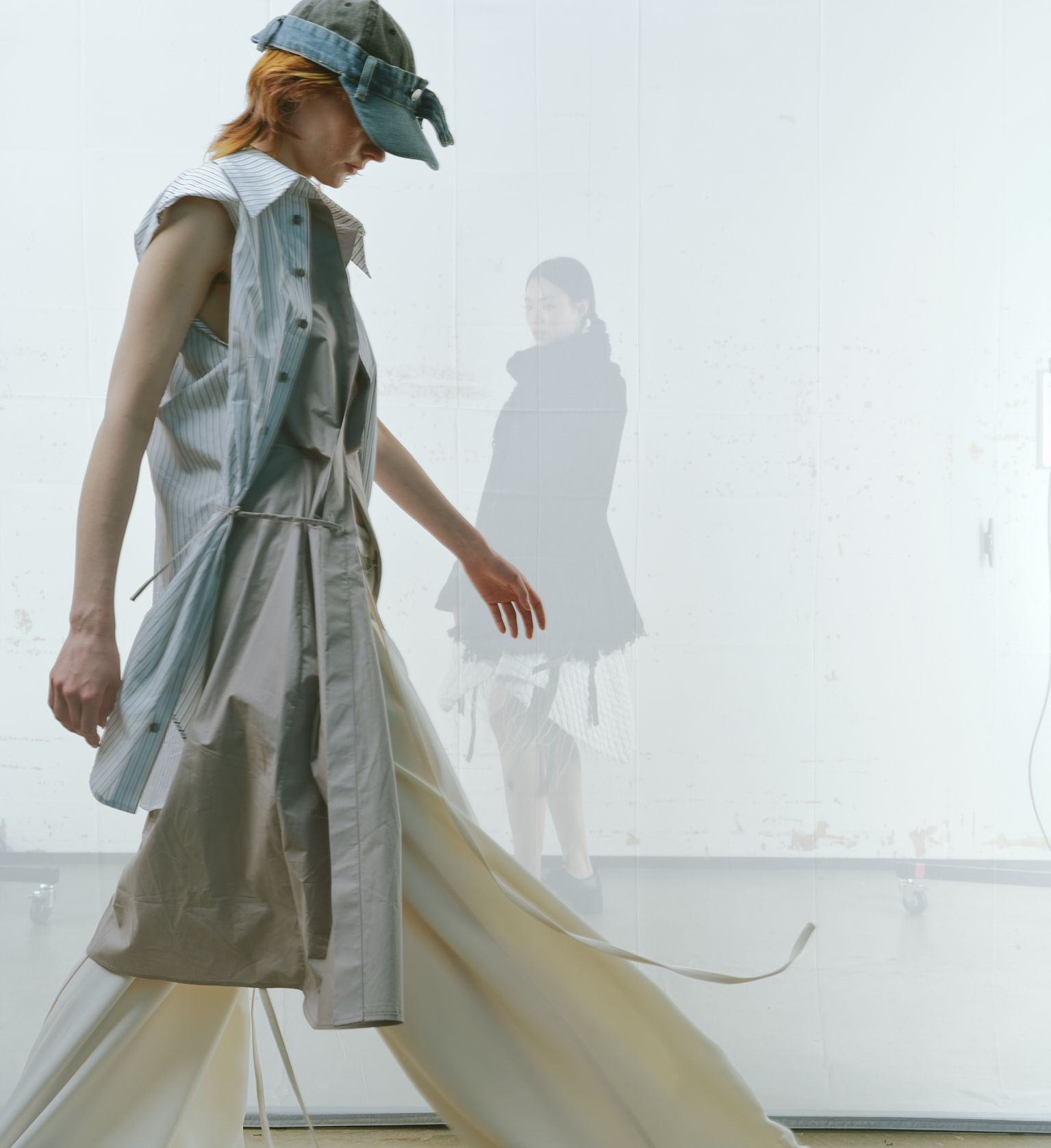
Contemporary oversized look by designer Ying Lai (Image credit: Ying Lai)
Jonathan Michael Square, writer, historian, and curator of Afro-Diasporic fashion and visual culture, says the resurgence of baggy silhouettes is of the most influential fashion trends of the last 50 years, though its significance dates back further. “This aesthetic has deep roots in the zoot suit of the 1930s and 40s, a style that emerged from Black, Brown and Asian communities as a form of resistance and expression of a unique cultural identity,” he says. “Fast forward to the late 1980s and early 90s, and we see a resurgence of oversized pants and voluminous fits, especially in hip-hop fashion, which challenged Eurocentric norms of tailoring and expressed a new kind of swagger and autonomy. The baggy silhouette continues to cycle through contemporary fashion, each time carrying echoes of its subcultural and political origins.”
Grunge aesthetic
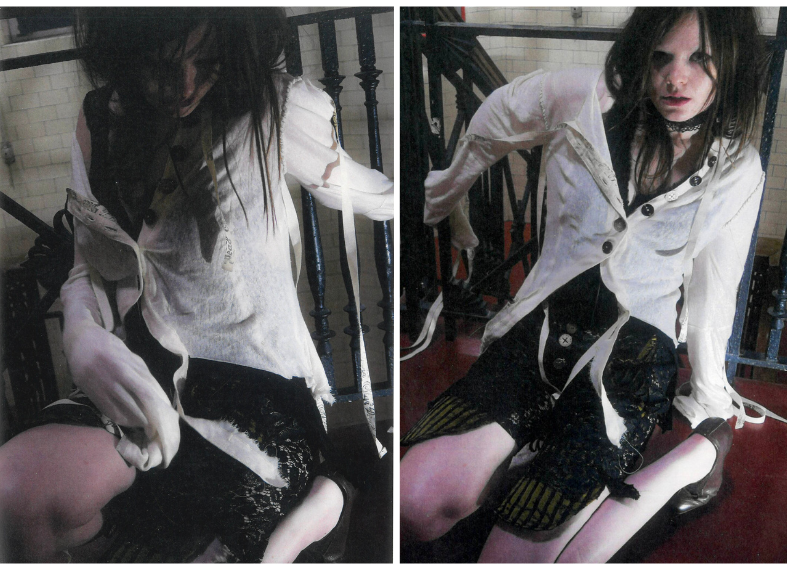
Although characterised by an anti-commercial stance that embraced thrift store items, ripped jeans, flannel shirts and Doctor Martens, grunge was not born from poverty, but more privileged youth deliberately rejecting materialism and the superficiality of consumer culture. This was anti-fashion for the disillusioned.
Contemporary grunge style by Madeleine Bryan King (Image credit: Madeleine Bryan King)
It originally emerged from Seattle’s music scene, as Kurt Cobain and other grunge icons became reluctant fashion leaders, their authentic scruffiness resonating with fans who felt alienated from mainstream success narratives.
“90s grunge for me is eternally cool,” Lauren says. “Iconic pictures of Kate Moss and Courtney Love are constants on mood boards. Slip skirts, lace edging, ‘undone’ layering and leopard print for daytime feel just as current now.”
Dressing for wellness
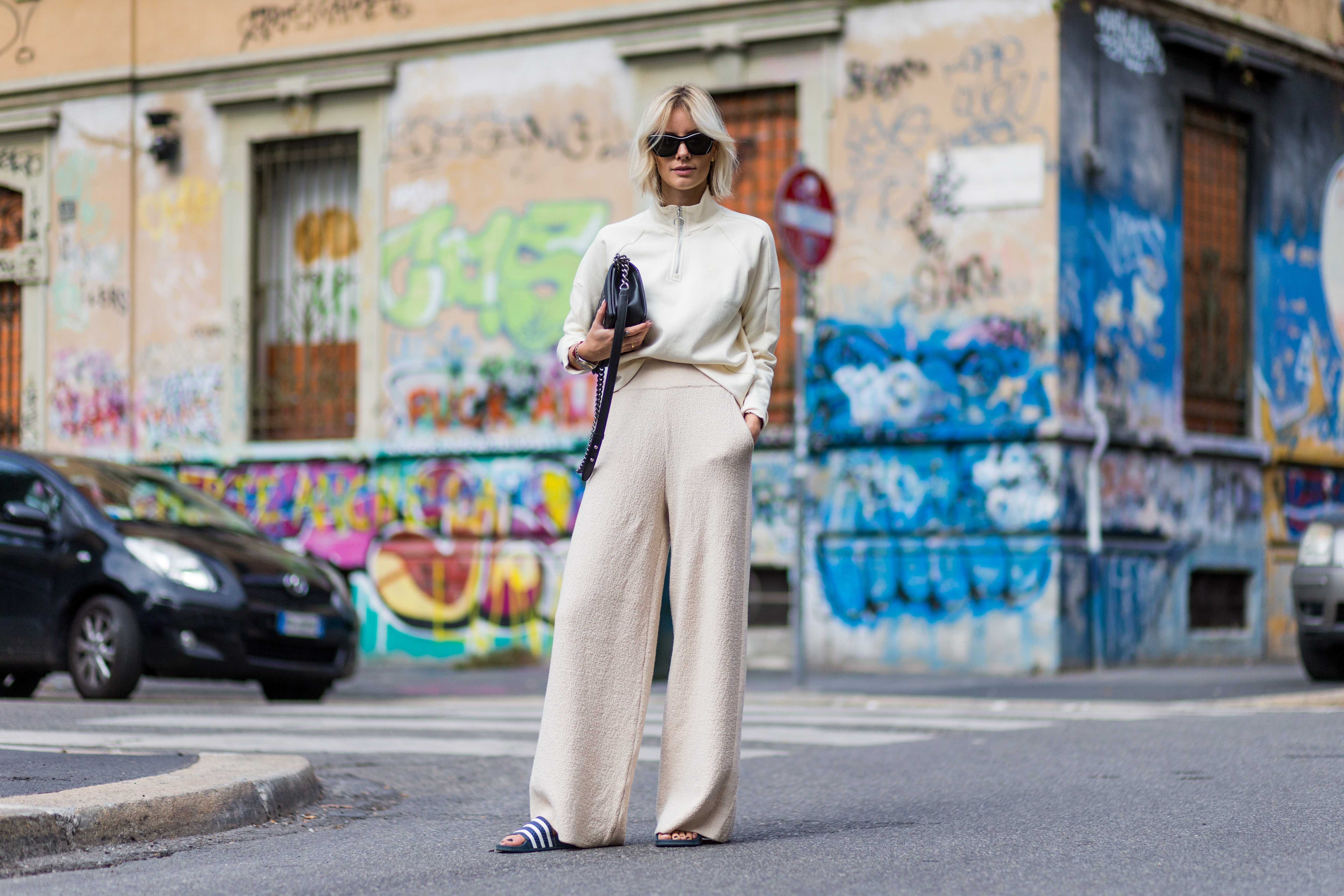
Athleisure street style at Milan Fashion Week, 2016 (Image credit: Christian Vierig/Getty Images)
“One of the most influential but often overlooked fashion shifts of the last 50 years has to be the rise of athleisure,” says Danielle Vanier, creator and personal stylist. “What started as gym wear has quietly transformed the way we dress day to day. Comfort, stretch and technical fabrics are no longer limited to sweaty workouts. We now see trainers paired with tailoring, performance fabrics in airport looks, and sportswear making its way into going-out looks. A perfect example of this is Adidas’ recent drop on ASOS. Collection 01 is sleek, considered, and effortlessly bridges the gap between activewear and streetwear. That fusion of style and function is no longer the exception; it’s the new norm.”
(Image credit: Ying Lai)
From the turn of the millennium and into the 2010s and beyond, the athleisure explosion reflected fundamental shifts in both lifestyle priorities and work culture. Wellness culture and less traditional career paths were both gaining traction and multifunctional, comfortable outfits represented desires for a work-life balance and a sense of flexibility that was impacting all aspects of life.
“Athleisure emerged in the early 2000s and gained momentum during the Covid-19 lockdowns,” Amber says. “It created a shift toward comfort, exemplified by the rise of tracksuits and loungewear, while reflecting a growing demand for relaxed, casual fashion.”
Timeless cashmere
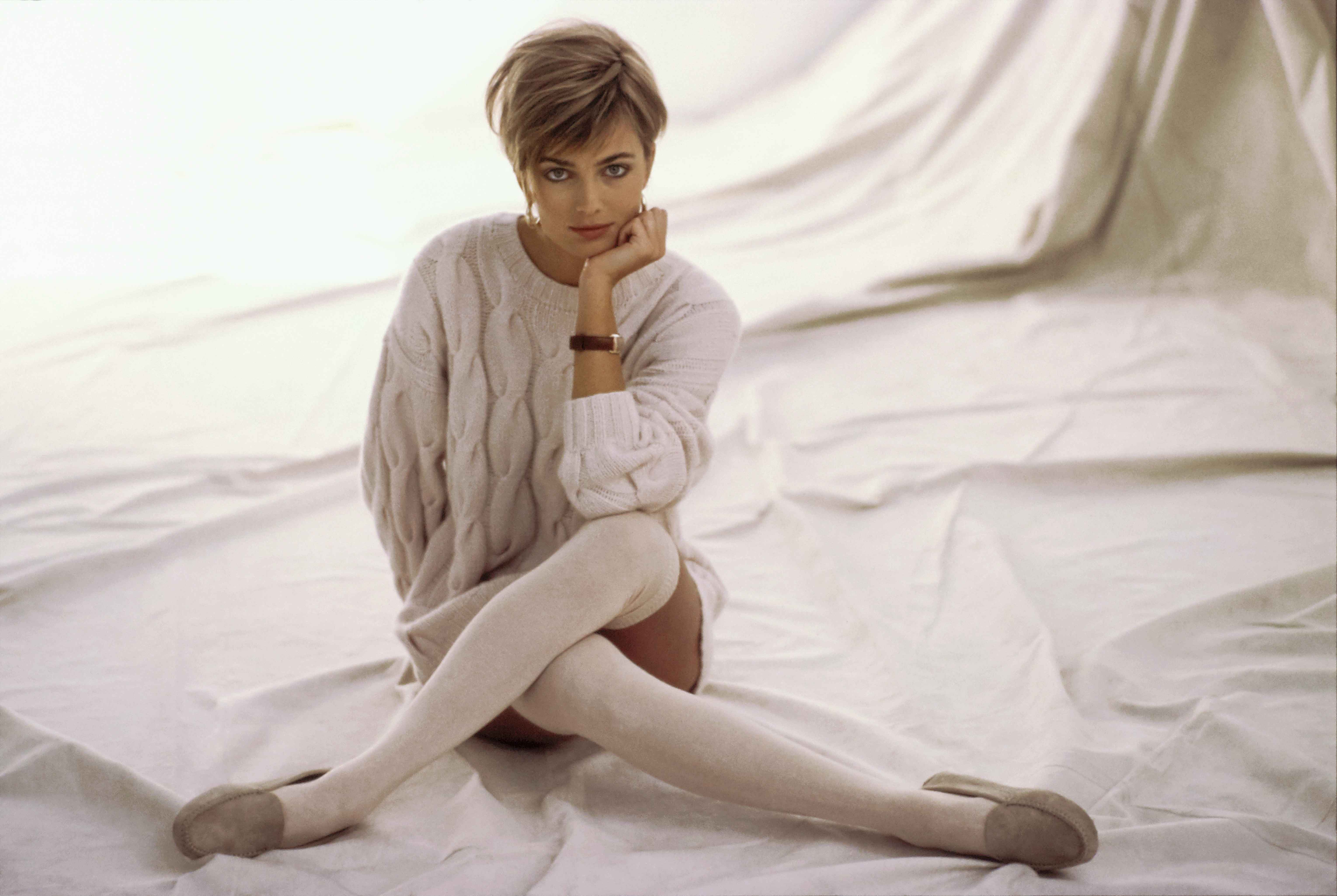
(Image credit: Arthur Elgort/Conde Nast via Getty Images)
There are certain fabrics that, despite trends, remain constant symbols of quality, craftsmanship and value. The continued appeal of cashmere reflects a human need for tactile pleasure, natural processes and lasting beauty in an increasingly digital and disposable world.
“Cashmere is a luxurious material that my native homeland of Scotland made their own and a textile that wrapped its way around every year of my life,” says Lynne Coleman, stylist and leading fashion editor and textiles expert. “About a year ago I embarked on a book about it. I wanted to uncover what it was about cashmere that made it so globally famous for over two centuries. That’s when it struck me that cashmere was omnipresent every season. Come rain, hail or shine this beautiful and breathable fabric could be woven in thick ply to keep out winter chills or spun so fine that it takes on a silk-like texture. It’s a textile that you can invest in and wear time and time again because it’s always on trend.”
From the preppy aesthetic revival of the 80s, to the minimalist “quiet luxury” looks of the 90s, increased affordability through the 2000s and more recent “slow fashion” movements and sustainability concerns boosting the popularity of high-quality materials, it’s a fabric that retains its core associations with quality and comfort.