Quick Summary
Tesla Cybercab has entered production with confirmation coming from Elon Musk.
The driverless two-seater vehicle is designed to fulfill Musk’s robotaxi vision, but currently faces legal barriers.
Elon Musk has confirmed that the Tesla Cybercab has entered production, as the company moves towards the next stage of freeing the world from the responsibility of driving and letting the vehicle take control.
To emphasise this point, Tesla’s teaser shared on X shows the Cybercab with no controls, matching the original prototype that was unveiled. The idea is that you just hop in and the car uses its self-driving tech to get you to your destination.
Article continues below
Production of these models is an exciting step forward, but it’s surrounded by controversy, because of that old problem called legislation. Currently, Cybercab will only be useable within Tesla’s geofenced pilot programme, according to Electrek.
The second problem that Cybercab faces is the ongoing problem with full self-driving capabilities. While this has long been offered on Tesla models, the reality is that the software isn’t ready, and full autonomy faces problems with decision-making, crashes and other complications.
Cybercab has started production pic.twitter.com/MAeswanf96April 24, 2026
The shared video shows the Cybercab from inside, driving in various situations, including at night, in the rain and around parts of the Tesla factory, presumably Giga Texas where it’s being assembled.
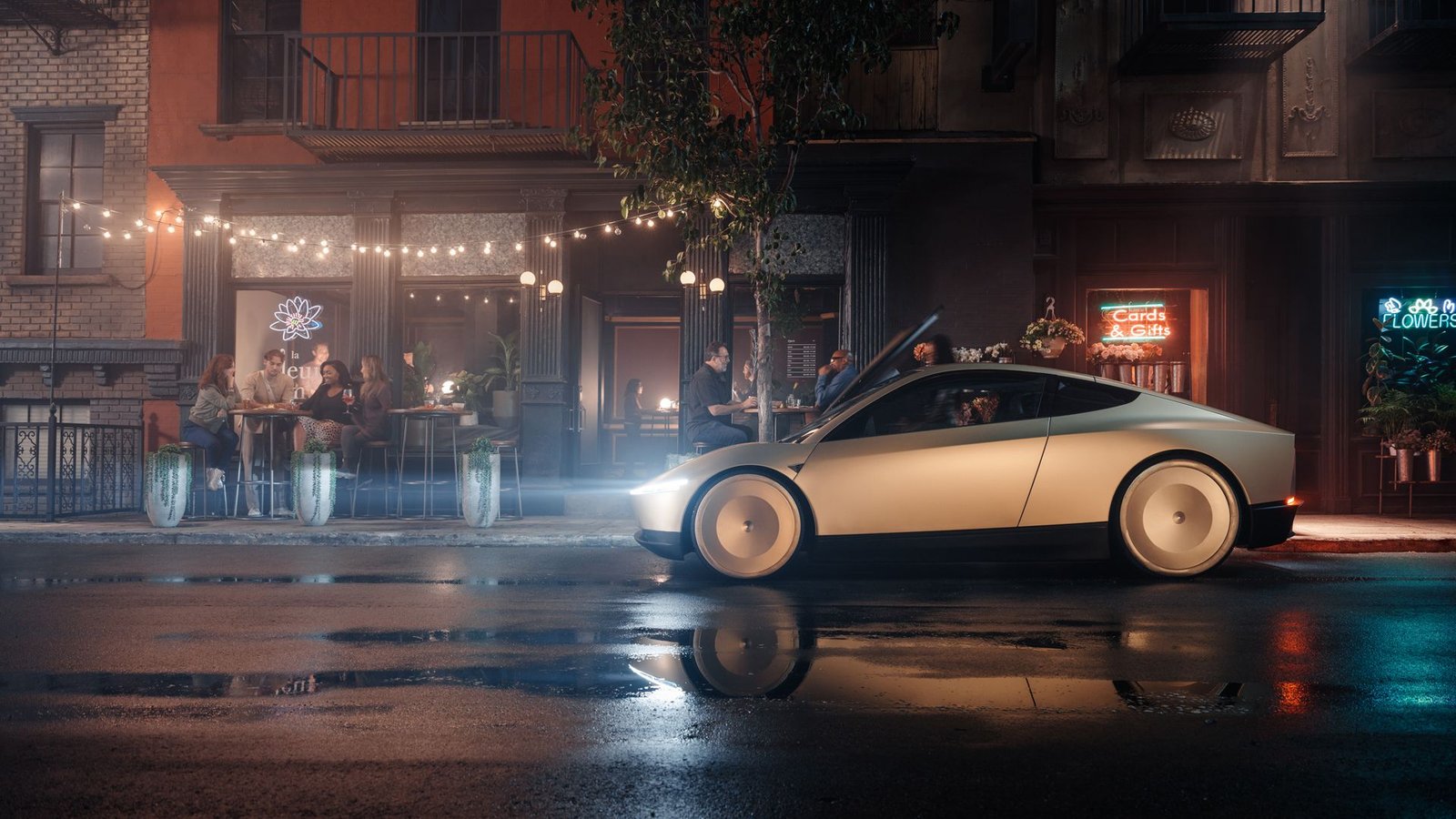
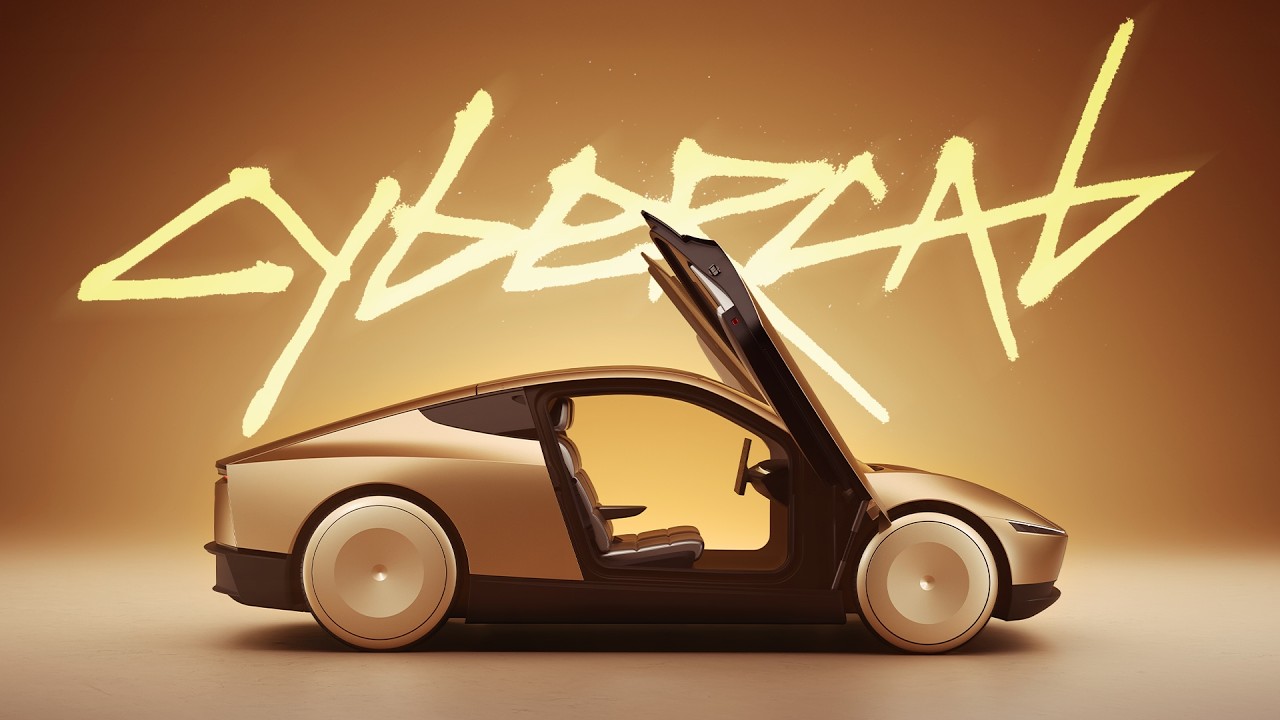
The Cybercab looks like an evolution of the Tesla Model Y, mixed with some of the elements we saw on Cybertruck, like the lack of a back window. In this form, we see a car with no door handles, no mirrors, and no internal controls – just a screen.
It has two butterfly doors and it’s designed as a two-seater, with data suggesting that a great number of journeys happen with only one or two people in the car.
While Cybercab is designed to become part of a ride sharing fleet, the intention as always been to sell it to private owners too. While you can have this as an autonomous car for your commute (assuming it’s ever allowed to be legally used like that), Musk’s vision for cars of a future would then see private owners allowing it to be used as a ride sharing vehicle too.
That means that when you’re not using your car, it can be out earning you money, giving rides to other people.
In perhaps a twist in this story, it’s believed that Cybercabs are also being produced with controls for regular driving. It’s likely that while Elon Musk pursues the autonomous driving dream, offering this as a drivable, low cost two seater EV might also happen.