
You May Also Like

CHATTANOOGA, Tenn. — An estimated 7.4 million Americans age 65 and older are now living with clinical dementia due to Alzheimer’s disease, according to a newly released report from the Alzheimer’s Association.
Nearly 9 in 10 Americans say maintaining brain health as they age is very important, yet few know a lot about how to do it, according to the 2026 Alzheimer’s Disease Facts and Figures report.
We spoke with a spokesperson from the association about what the survey reveals and at what age you should start caring for your brain.
FHO ALZHEIMER’S 2026 NEW REPORT SEGMENT 4.26.26
“Now, if we really look at the other side of it, though, we also see that Americans believe brain health is really important, the things that we can maybe do to benefit our brain health as we age, 90% say that it’s important, although less than 10% say that they know what to do about it. I think the good news is that people are motivated. They want information. They want to learn more, and they want to have those conversations with their doctors, said Heather M. Snyder, Ph.D., Senior Vice President, Medical & Scientific Relations, Alzheimer’s Association.”
Here in Tennessee, people ages 65+ are diagnosed with Alzheimer’s.
The study goes in depth on how U.S. adults 40 and older identify midlife (ages 40 to 64) as the critical window to adopt habits that may support brain health, as many risk factors linked to later cognitive decline begin to emerge during these years.
Video Credit: Alzheimer ‘s-Association_2026-Facts&Figures-Report
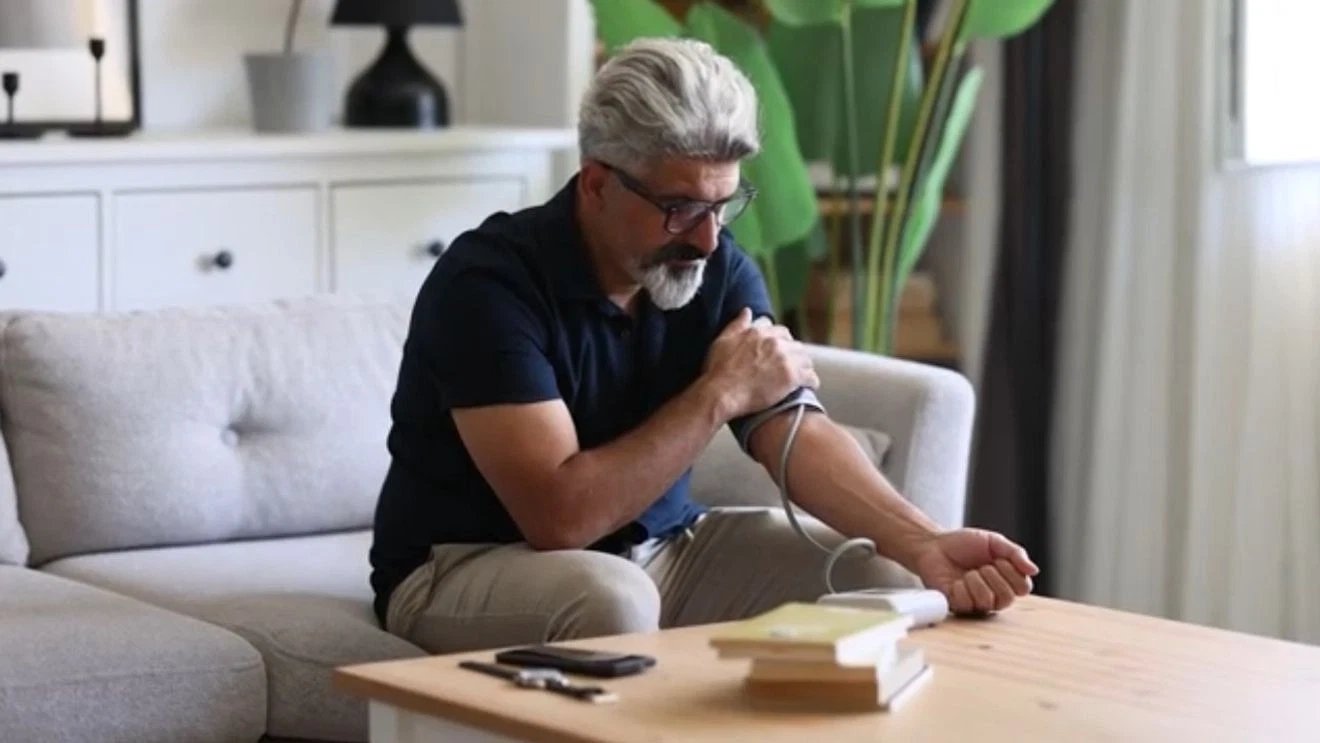
“When we think about midlife, this is when we’re worried about our cholesterol, our blood pressure, our sleep, our stress levels, and all of those play a role in our brain health as well. 40% of Americans believe that’s when we should be taking action. That’s when we should be participating in programs to benefit our brain health, things like, how can we address our sleep disturbances, how can we bring in more physical exercise or make changes to our diet that will benefit our brain health long term, said Heather M. Snyder, Ph.D., Senior Vice President, Medical & Scientific Relations, Alzheimer’s Association.”
The overall message that experts want to reiterate is to have conversations with your primary care doctor about what is considered normal aging, or if it’s one of the other causes of cognitive impairment and dementia.
BE THE FIRST TO COMMENT
For more information on this year’s report, you can visit here.
