
Now Reading: Essential Tips for Preventing Stroke and Understanding Blood Pressure Regulation
- 01
Essential Tips for Preventing Stroke and Understanding Blood Pressure Regulation

Essential Tips for Preventing Stroke and Understanding Blood Pressure Regulation
Understanding Stroke: Causes and Risk Factors
A stroke is a medical condition that occurs when there is a disruption of blood supply to the brain, leading to the death of brain cells due to a lack of oxygen. The two main types of strokes are ischemic and hemorrhagic. Ischemic strokes account for approximately 87% of all strokes and are caused by blockages in the blood vessels that supply blood to the brain. In contrast, hemorrhagic strokes result from the rupture of a blood vessel, causing bleeding inside or around the brain.
Several common risk factors contribute to the likelihood of experiencing a stroke. Among these, hypertension, or high blood pressure, is the leading risk factor, accounting for nearly half of all stroke cases. Elevated blood pressure can damage the blood vessels, increasing the chance of both ischemic and hemorrhagic strokes. Additionally, diabetes is a significant contributor, as it can lead to atherosclerosis, increasing the risk of blocked blood vessels in the brain.
High cholesterol levels also play a crucial role in stroke risk by promoting the formation of plaques in the arteries, which can further obstruct blood flow. Furthermore, lifestyle choices such as smoking and obesity are closely linked to vascular health, often exacerbating other risk factors like hypertension and diabetes. Smoking damages blood vessels and reduces oxygen in the blood, while obesity increases the likelihood of developing conditions that contribute to stroke.
According to the Centers for Disease Control and Prevention (CDC), approximately 795,000 people in the United States suffer a stroke each year, resulting in significant healthcare costs and long-term disability for many survivors. Consequently, understanding these risk factors and taking proactive steps through the health connectz program can greatly reduce the chances of stroke and improve overall heart health. Awareness and education play vital roles in preventing this serious condition.
The Critical Role of Blood Pressure in Stroke Prevention
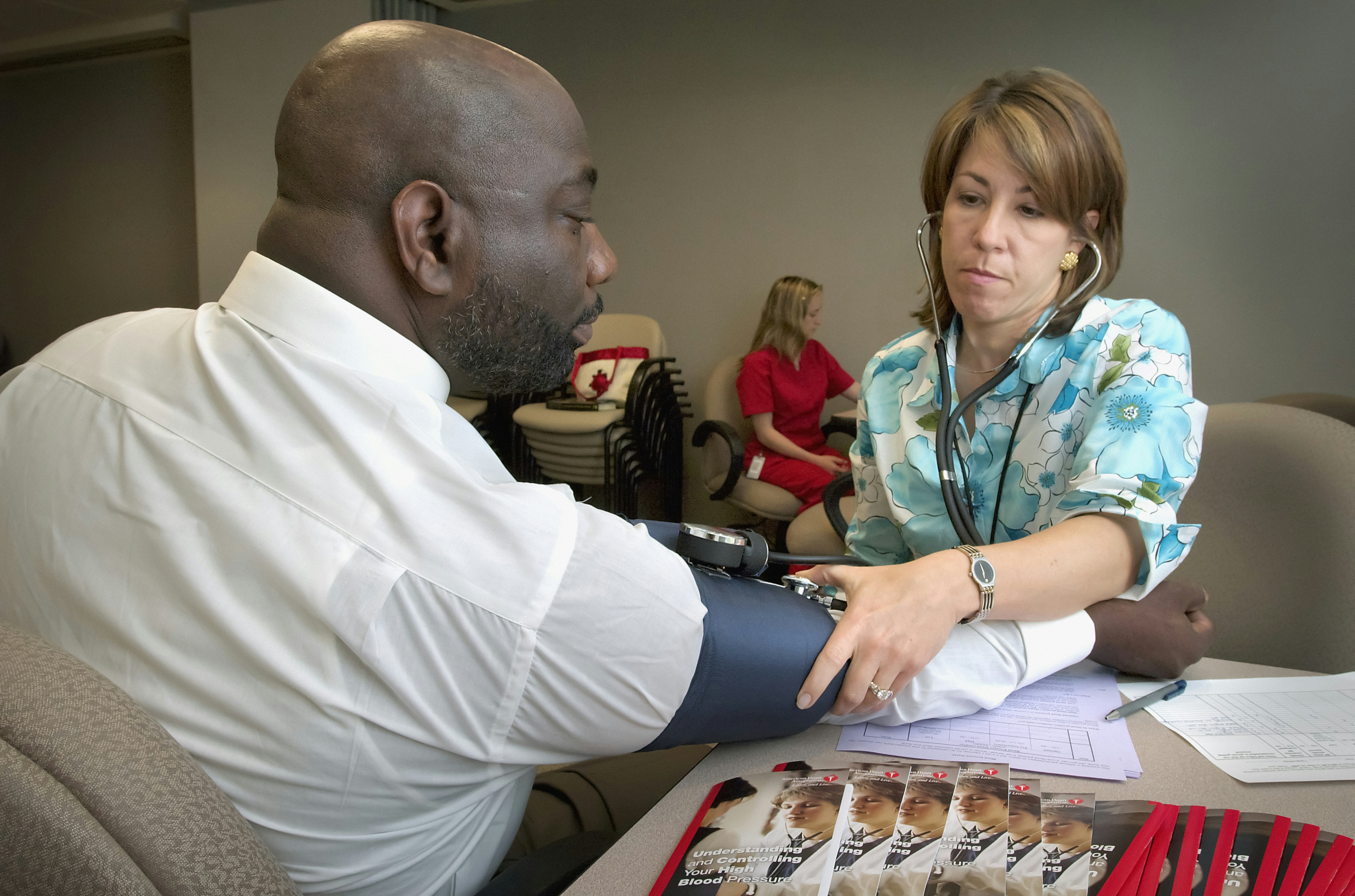
The connection between blood pressure and stroke risk is profound and vital for health maintenance. Blood pressure is measured using two readings: systolic and diastolic. The systolic reading occurs when the heart beats and pumps blood into the arteries, while the diastolic reading happens when the heart is at rest between beats. Normal blood pressure levels are generally defined as having a systolic reading below 120 mmHg and a diastolic reading below 80 mmHg. Readings above these thresholds can indicate elevated blood pressure, which poses significant health risks.
Hypertension, or high blood pressure, is a primary contributor to stroke risk. When blood pressure consistently remains high, it can damage blood vessels, making them less elastic and more susceptible to rupture or blockage. This damage can lead to ischemic strokes, where insufficient blood flow to the brain occurs, as well as hemorrhagic strokes, which result from bleeding in the brain. Understanding the implications of blood pressure measurements and maintaining them within a healthy range is crucial for stroke prevention.
Regular monitoring of blood pressure is vital, particularly for those at higher risk of stroke due to factors such as age, family history, or existing health conditions. Management strategies may include lifestyle modifications such as a balanced diet, regular physical activity, and avoiding tobacco and excessive alcohol consumption. In some cases, medication may be necessary to help regulate blood pressure effectively. Tools like health connectz allow individuals to track their readings and provide insights into their cardiovascular health, promoting proactive interventions.
In summary, vigilant monitoring and management of blood pressure play a critical role in reducing stroke risk. By understanding the significance of systolic and diastolic values and striving to maintain them at healthy levels, individuals can take meaningful steps toward safeguarding their health against the dangers of stroke.
Practical Tips for Regulating Blood Pressure
Maintaining healthy blood pressure levels is essential for stroke prevention and overall health. One effective approach is adopting the Dietary Approaches to Stop Hypertension (DASH) diet. This diet emphasizes fruits, vegetables, whole grains, and low-fat dairy while reducing saturated fat and cholesterol. By incorporating these foods, individuals can naturally lower their blood pressure, promoting vascular health.
In addition to dietary changes, regular physical activity plays a pivotal role in blood pressure regulation. Engaging in aerobic exercise such as walking, cycling, or swimming for at least 150 minutes per week can help lower pressure levels. Exercise not only assists in weight management but also strengthens the heart, facilitating more efficient blood circulation.
Weight management is another vital aspect of lowering blood pressure. Maintaining a healthy weight, especially through a combination of dietary choices and exercise, can significantly reduce the strain on the cardiovascular system. Those who are overweight or obese may find that even modest weight loss can lead to measurable improvements in blood pressure readings.
Limiting alcohol consumption is crucial for those striving to regulate their blood pressure. Heavy drinking can lead to hypertension and other health complications. It is advisable for individuals to adhere to moderate drinking guidelines, which recommend up to one drink per day for women and two drinks per day for men.
Moreover, reducing sodium intake is essential. High sodium levels are known to elevate blood pressure. Instead of reaching for the salt shaker, individuals should aim to season their meals with herbs and spices, focusing on fresh foods over processed options.
For those diagnosed with hypertension, adhering to prescribed medication regimens is vital for managing blood pressure. Medication should not replace healthy lifestyle changes but work in conjunction with them to optimize health outcomes. Regular check-ups can help monitor progress and make necessary adjustments.
Recognizing Stroke Symptoms and When to Seek Help
Stroke is a medical emergency that requires immediate attention. Recognizing the signs and symptoms of a stroke can significantly impact the outcome for the affected individual. One effective way to remember the key symptoms is through the acronym FAST, which stands for Face drooping, Arm weakness, Speech difficulty, and Time to call emergency services. Each component of this acronym highlights a critical aspect to assess.
Firstly, Face drooping can manifest as one side of the face drooping or feeling numb. Ask the person to smile; if their smile appears uneven, this may indicate a potential stroke. Secondly, Arm weakness involves the individual being unable to raise both arms equally. A stroke can result in weakness on one side of the body. If they experience this, it is vital to act quickly. Thirdly, Speech difficulty includes slurred speech or the inability to speak. Encourage the person to repeat a simple sentence to detect any issues with speech clarity.
If any of these symptoms are present, recognize that it is Time to call emergency services. Rapid response is crucial because timely treatment can significantly reduce the risk of long-term disability or even death. The sooner a stroke is treated, the greater the possibility of recovery and rehabilitation, which can lead to improved quality of life post-stroke.
Following a stroke, proper follow-up care and rehabilitation become essential. Patients may undergo various rehabilitative therapies aimed at regaining strength, speech, and mobility. Medical professionals will develop personalized care plans to address individual needs and conditions. Post-stroke care involves monitoring health connectz, adherence to medication, and engaging in physical and occupational therapies to optimize recovery outcomes.