

Published July 10, 2026 03:00AM
Now Reading: Wildfire Travel Safety: What to Know
1
- 01
Wildfire Travel Safety: What to Know
Wildfire Travel Safety: What to Know
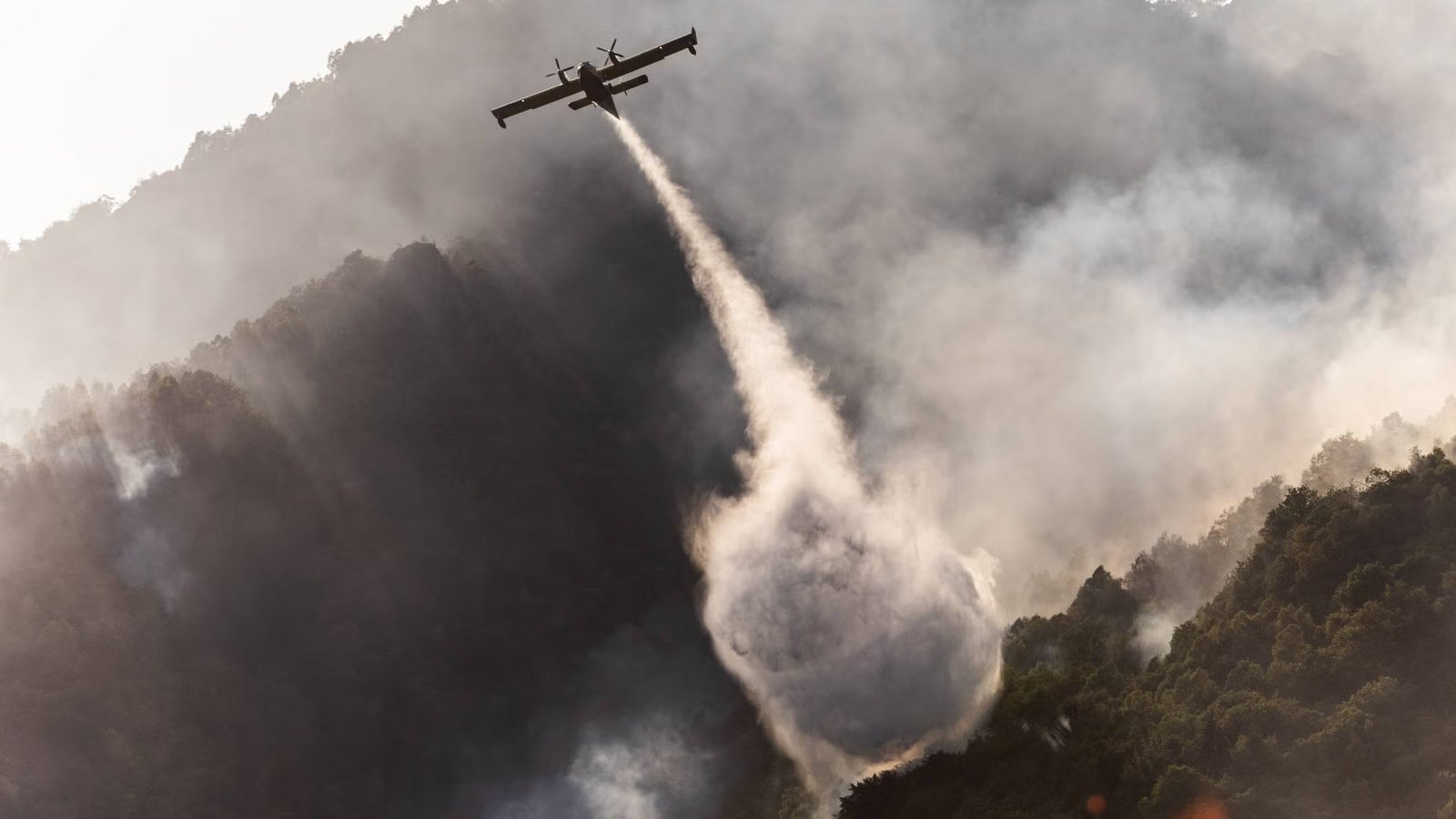
As a Colorado resident, I’m no stranger to wildfire. Even if the blazes are miles away, you can still experience hazy skies and smoky air. My 69-year-old mother was meant to be visiting from New Jersey in June, at a time when the state had 16 active wildfires. Most of our plans revolved around being active outside.
In the lead-up to her trip, I considered postponing. I was already nervous about taking her to the ski town of Breckenridge because of the altitude. But the town’s location in Colorado’s fire-riddled mountains had me worried about the air quality, too.
Many travelers have found themselves facing similar dilemmas this summer. A warm, dry winter, followed by a bout of Did I Find a Cure for Male Loneliness? No, But I Found a Way to Embrace Solitude in the Wild. heat set the stage for an aggressive start to fire season. By the end of June, more than 60 major wildfires were raging in the United States, and record fires were burning across Southern Europe. The blazes have forced many travelers to rethink plans.
Climber Ryan Whited recently canceled his annual camping trip with friends in Colorado’s Western Slope due to the number of fires in the area. “We had a camp spot reserved but pivoted to the White Mountains of Arizona, which feels like one of the few places not on fire right now,” he says. Whited says he’s been glued to Watch Duty, a real-time fire alert app, for the past few weeks.
Whited owns a fitness center called Paragon Athletics in Flagstaff, Arizona, where the air quality isn’t much better due to the surging Pocket Fire outside of Sedona. He trains the hotshots, an elite team of wildland firefighters, who have been battling the inferno. When friends question whether they should come to Sedona, he tells them, “It’s safe to visit, but not much fun to be honest.”
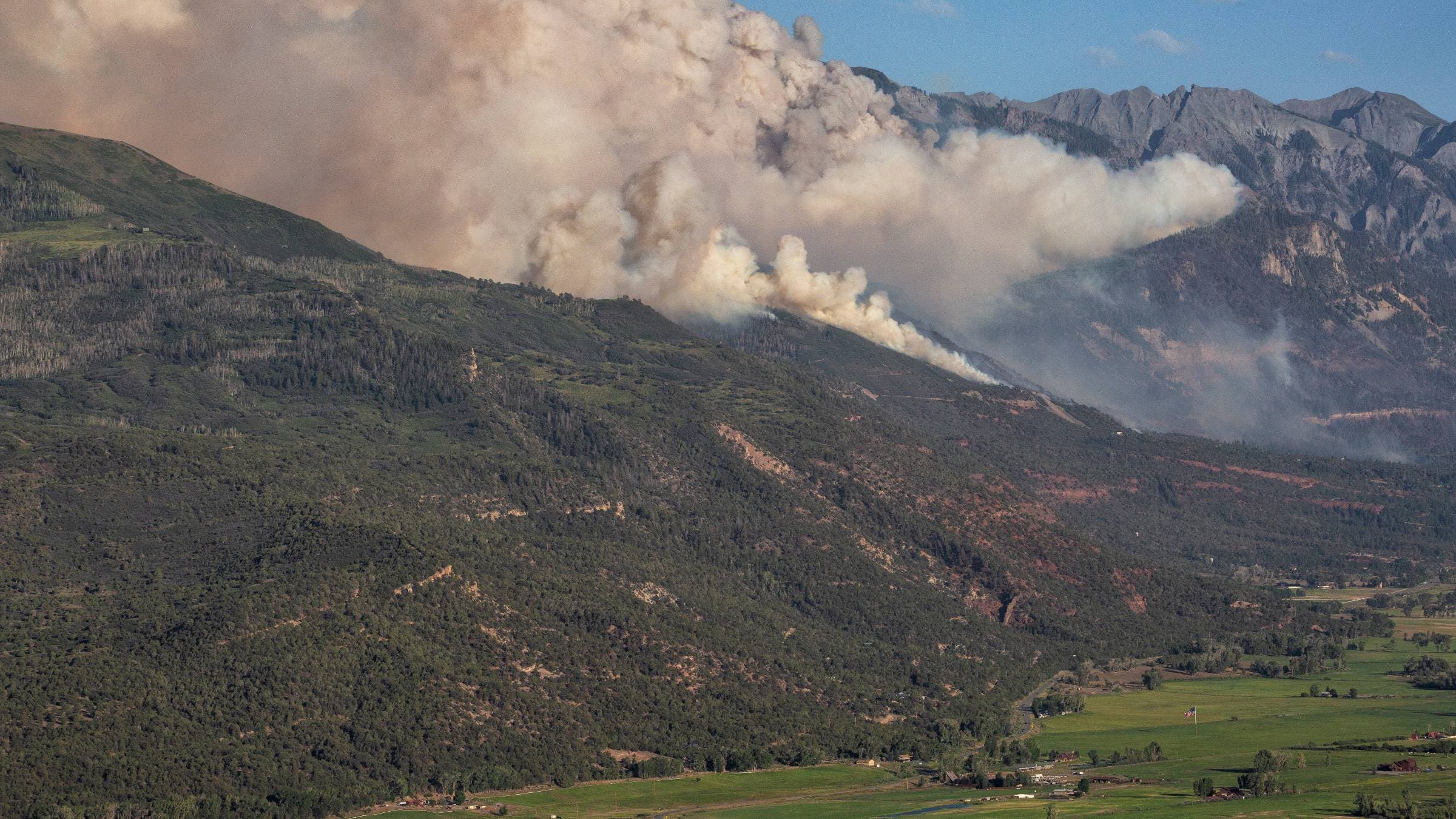
Fire conditions have also forced event organizers and athletes to make tough calls. Fires in France prompted Tour de France organizers to replan race stages and ban fans. In Colorado, the annual Royal Gorge Whitewater Festival and Ouray 100 Endurance Run, as well as the upcoming Leadville Silver Rush Run 50 and Mountain Bike 50 races were canceled due to fires in the area.
The evening before SBT GRVL, a premier gravel cycling race held in Steamboat Springs, Colorado, fires broke out near Fruita and the local air quality index (AQI) went from the 30s (good) to nearly 200 (unhealthy) in about an hour, says race co-founder Amy M. Charity.
“We sent our volunteers and staff home because it was no longer appropriate for them to be outside setting up downtown,” says Charity. At midnight her operations team concluded that there was about a 50/50 chance they would have to cancel the event entirely.
Overnight, the AQI in Steamboat Springs dropped back into the 30s. “I remember walking outside, seeing the stars, and realizing we’d gotten incredibly lucky,” she says. “At the same time, every forecast we were watching suggested the wind could shift later in the day and bring smoke into Steamboat by the afternoon.” Rather than hope the forecast was wrong, the race organizers chose to proactively ensure every rider would be off the course well before the time frame when deteriorating air quality was predicted.
Monitor Conditions and Be Flexible
If you have plans to travel to an area currently affected by wildfire, do your research and be flexible. “Conditions can change rapidly from worse to better in both directions,” says Michele Steinberg, the director of the National Fire Protection Association’s Wildfire Division.
Images and headlines in national and global news outlets often make it appear that an entire state or country is on fire. Steinberg urges people to do their homework and consult with local weather maps, such as Weather Underground; local and regional news sources; and tourism boards. Many counties have emergency alert systems and visitors can sign up for notifications.
“It’s important to go to the source rather than guess,” she says. “If you’re contemplating whether to go or not go, locals will always be your best source for advice.” Even if your destination isn’t at risk from fires, it could be affected by smoke conditions from nearby fires, which can last hours, days, or weeks, she cautions. She recommends checking the EPA’s AirNow fire and smoke map for up-to-date conditions.
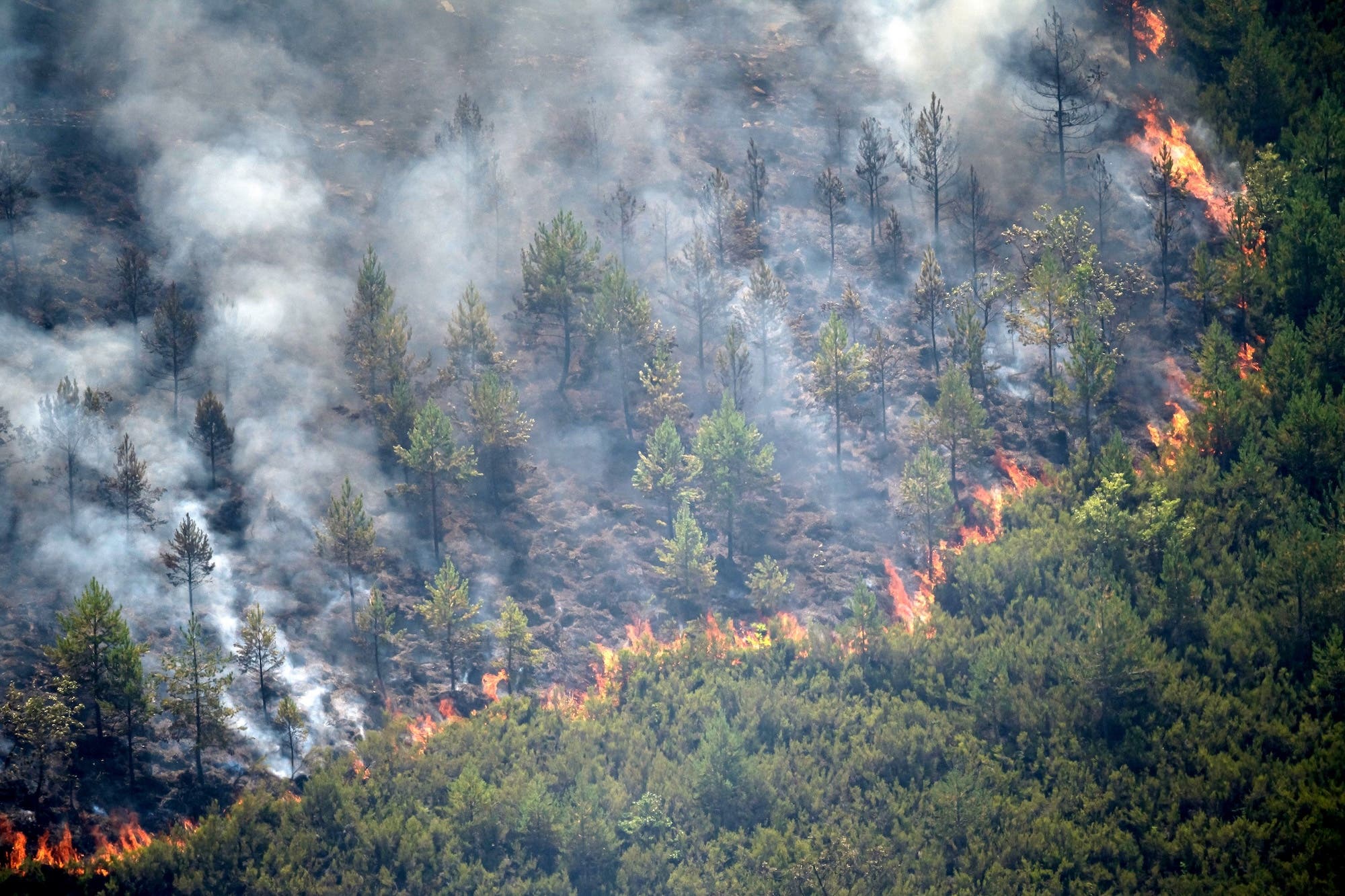
You should also monitor the air quality at your destination, particularly those traveling to pursue outdoor activities or races. “Although exercise is one of the healthiest things to do, when the air quality is poor, it may mean that you are inhaling substantially more pollutants in your lungs as your breathing increases during exercise,” says Dr. Maryum Merchant, a pulmonologist at UCLA Health.
“The bike ride that benefits your cardiovascular health on a clean day may expose you to several times more harmful pollutants during a wildfire event,” Dr. Merchant adds. A common misconception, she says, is that if you don’t feel short of breath, then you’re safe. However, fine particles from wildfire smoke can trigger inflammation throughout your lungs and these fine particles can even enter the bloodstream, says Dr. Merchant.
Once the AQI exceeds 100 (unhealthy for sensitive groups), people with asthma, COPD, heart disease, older adults, children and people who are pregnant should reduce prolonged or vigorous outdoor activity, says Dr. Merchant. “Even healthy adults should consider doing exercise indoors when AQI rises above 150,” she says.
Have a Plan and Be Prepared
Preparation and situational awareness remain your best defenses when conditions change rapidly. Skyler McKinley, a member of Colorado’s Oak Creek Fire Protection District, which is located near Steamboat Springs, and the state’s regional director of AAA, encourages travelers to stock their cars with a small fire extinguisher, shovel, water, heavy blanket, masks, and paper maps of the area you’re traveling through. “If a fire breaks out while you’re driving in an unfamiliar area you can’t count on cell service,” he tells Outside.
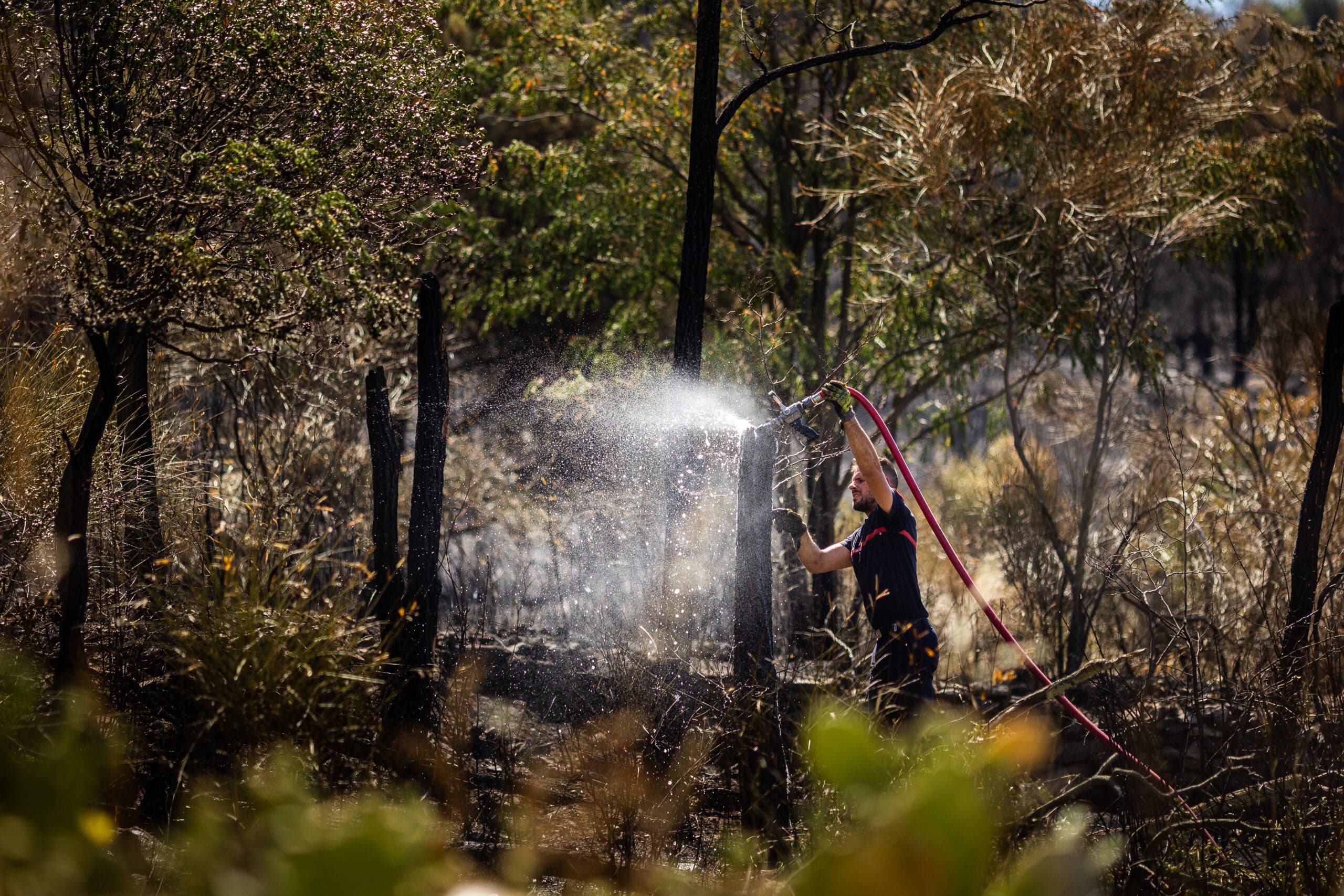
Kent Webber, senior manager of intelligence services at Global Rescue, an international evacuation and medical company, emphasizes that the most important decision during a wildfire is often the one you make before you ever see flames. “Travelers should monitor conditions, understand evacuation routes, and leave early when authorities issue evacuation orders,” he says. “Waiting until roads are congested or visibility deteriorates can quickly eliminate your safest options.”
How to Be Smart and Safe on the Ground
Five of Utah’s six fires this summer were human-caused, per early determinations from firefighters. People need to be fire smart and aware of fire danger levels and restrictions this summer, says McKinley. Restrictions are proactive measures implemented by land management agencies to reduce wildfire risk during periods of high fire danger. They generally are grouped in three stages, with Stage 3 being the most cautious, and include specific rules for different regions. Even most Stage 2 restrictions prohibit campfires, fireworks, and smoking outdoors, he says. And never fly drones near wildfires. If you’re smoking in a vehicle, the windows should be rolled up to prevent sparks from escaping, and never throw a cigarette out of the car window, he adds.
If you’re hitting the road, McKinley encourages drivers to inspect their vehicles to ensure there is nothing that could spark or potentially ignite a wildfire. Drivers should never pull off the roadway where dry or tall grass could touch the hot undercarriage of their vehicle, he says. If you are towing something, make sure chains are properly secured so they cannot drag and spark. And check your tire pressure before setting out. “Your optimal tire pressure should be listed in your vehicle’s owner’s manual or on the door jamb,” he says. “Properly inflated tires help prevent blowouts and blowouts can cause sparks.”
What to Do If You Do Encounter a Fire
“If you see a fire, call it in to 911 with the most precise location you can give, whether that’s a mile marker, highway exit, or cross streets, along with the direction the smoke is blowing,” says McKinley.
If you find yourself caught in a wildfire, stay calm and assess the situation. “People naturally assume they should always flee a wildfire, but conditions on the ground determine the safest course of action,” says Webber. “If escape routes have been cut off or the fire is too close, sheltering inside a structurally sound building may offer greater protection than attempting a last-minute evacuation through smoke, falling debris or compromised roadways.”
Don’t try to drive through thick smoke. If you can’t get to a building, Steinberg recommends hunkering down on the floor of your vehicle with a heavy wool blanket on top of you. “The most dangerous place to be is outside,” she says. “A car is at least a protective shell where you can wait things out until the worst passes.”
What to Consider Before Canceling Plans
While large swaths of Spain, Portugal, France, and Greece and the Western United States are battling fires, there are also plenty of areas that are unaffected. “After a dry winter, a lot of mountain towns need the tourism,” says McKinley.
That’s what I kept thinking when debating if I should bail on plans to go to Breckenridge. I obsessively checked the Colorado smoke blog, the air quality index, and the weather forecast the week before my mom’s visit. Two days before she was due to fly out the forecast called for rain. We both agreed she should still come, and luckily, a storm rolled in the night she arrived, clearing the air for a beautiful few days of outdoor adventures. I was willing to gamble on the weather and air quality rather than cancel our rental house, bike rentals, and restaurant reservations. Other people might have felt uncomfortable taking the risk.
“Travel is personal and individuals need to make their own assessment,” says McKinley. I couldn’t agree more. A fun and safe vacation this summer really comes down to traveling within your comfort zone. You could be vigilant about conditions and venture to destinations that may be impacted by fires and their aftermath and be totally fine. Or if you want a sure bet, there’s always the option to change plans and opt for a coolcation.
Jen Murphy lives in Colorado and is a regular contributor to Outside.
Related Posts


Previous Post
Next Post
Loading Next Post...