
Now Reading: Legionnaires’ outbreak slows as NYC continues cleaning
- 01
Legionnaires’ outbreak slows as NYC continues cleaning

Legionnaires’ outbreak slows as NYC continues cleaning
A cluster of Legionnaires’ disease cases on Manhattan’s Upper East Side is showing signs of slowing down, according to city health officials.
The New York City Health Department said Tuesday there are now 63 confirmed cases in the outbreak. Twelve people remain hospitalized, 40 have been discharged and 11 people were not hospitalized. No deaths have been reported.
The city’s health commissioner, Dr. Alister Martin, said only two new cases were identified from samples taken Sunday and Monday, compared with as many as 11 cases per day earlier in the investigation.
“We are now seeing significantly fewer new cases,” Martin said at a briefing. “There have been no deaths and more than half of all patients who were hospitalized have returned home. That’s an encouraging sign.”
The city has ordered 76 buildings in the three affected ZIP codes to clean and disinfect their cooling towers, the Health Department said. So far, 57 buildings have completed the required remediation, while the remaining 19 have until Thursday to comply.
Officials said they have not yet identified a specific source of the outbreak.
The buildings ordered to take action include the Metropolitan Museum of Art, which said testing detected a “trace amount” of Legionella bacteria in its cooling tower system.
“In accordance with New York City guidelines and our established health and safety protocols, we have immediately initiated the required remediation and are working with the City and our third-party water management specialists to conduct follow-up testing,” a museum spokesperson said.
The museum, which is normally closed on Wednesdays, canceled a small number of planned activities and had nonessential staff work remotely as part of the remediation process, the spokesperson added.
City officials said last week that they got positive tests at the Guggenheim Museum, private schools, Park and Fifth Avenue apartment houses, and more.
Most already finished the required cleanups, which entail draining and disinfecting the cooling towers, Martin said.
Martin noted that the city used to await results from second-round tests for live bacteria before ordering such cleanups but this year decided not to hold off. The tests take about two weeks.
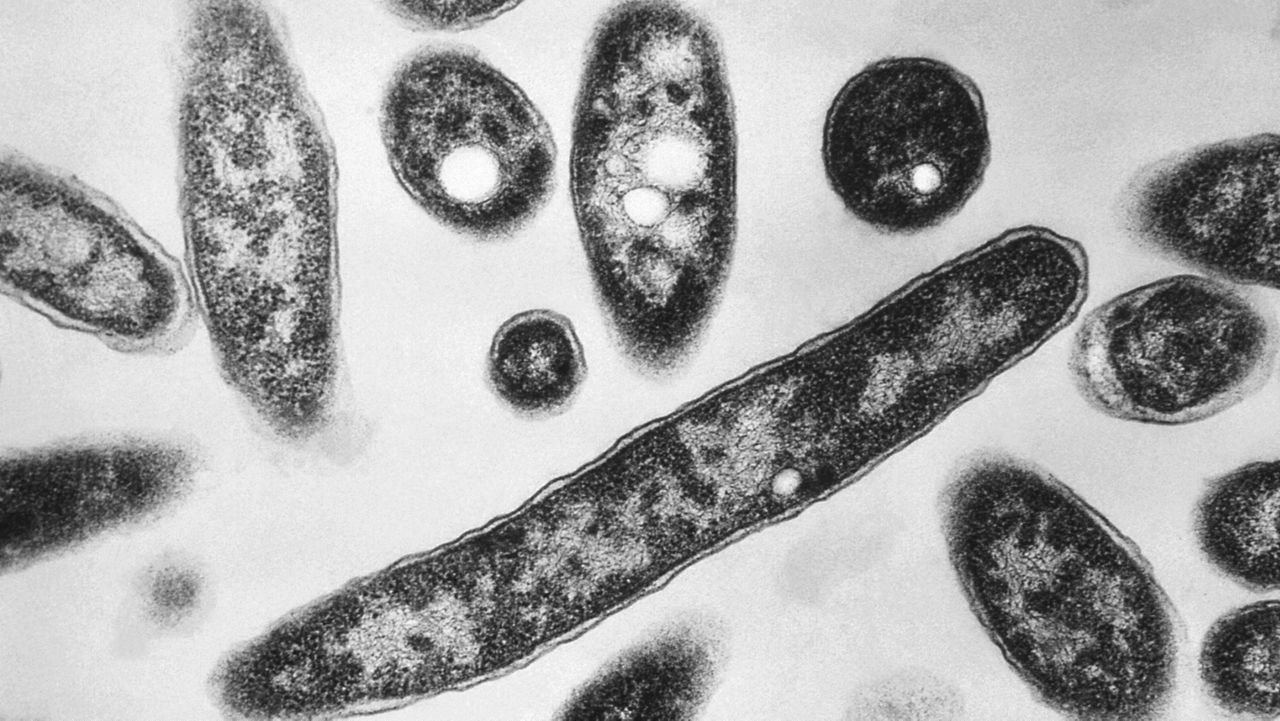
Legionnaires’ disease is a form of pneumonia caused by Legionella bacteria, which grow in warm water and can spread in building cooling systems, hot tubs and showerheads. In many cases, people contract the disease by inhaling tiny droplets of contaminated water; Legionnaire’s doesn’t spread person-to-person.
The illness is treatable, but it is fatal in about 10% of cases, according to the U.S. Centers for Disease Control and Prevention.
Seven people died and more than 100 were sickened during an outbreak last year in New York’s Harlem neighborhood. The sources turned out to include cooling towers — devices sometimes used for cooling large buildings — at a city-run hospital and the site of the city’s public health lab.