

Now Reading: Archaeologists Use AI to Build a Realistic Prehistoric Video Game
- 01
Archaeologists Use AI to Build a Realistic Prehistoric Video Game

Archaeologists Use AI to Build a Realistic Prehistoric Video Game

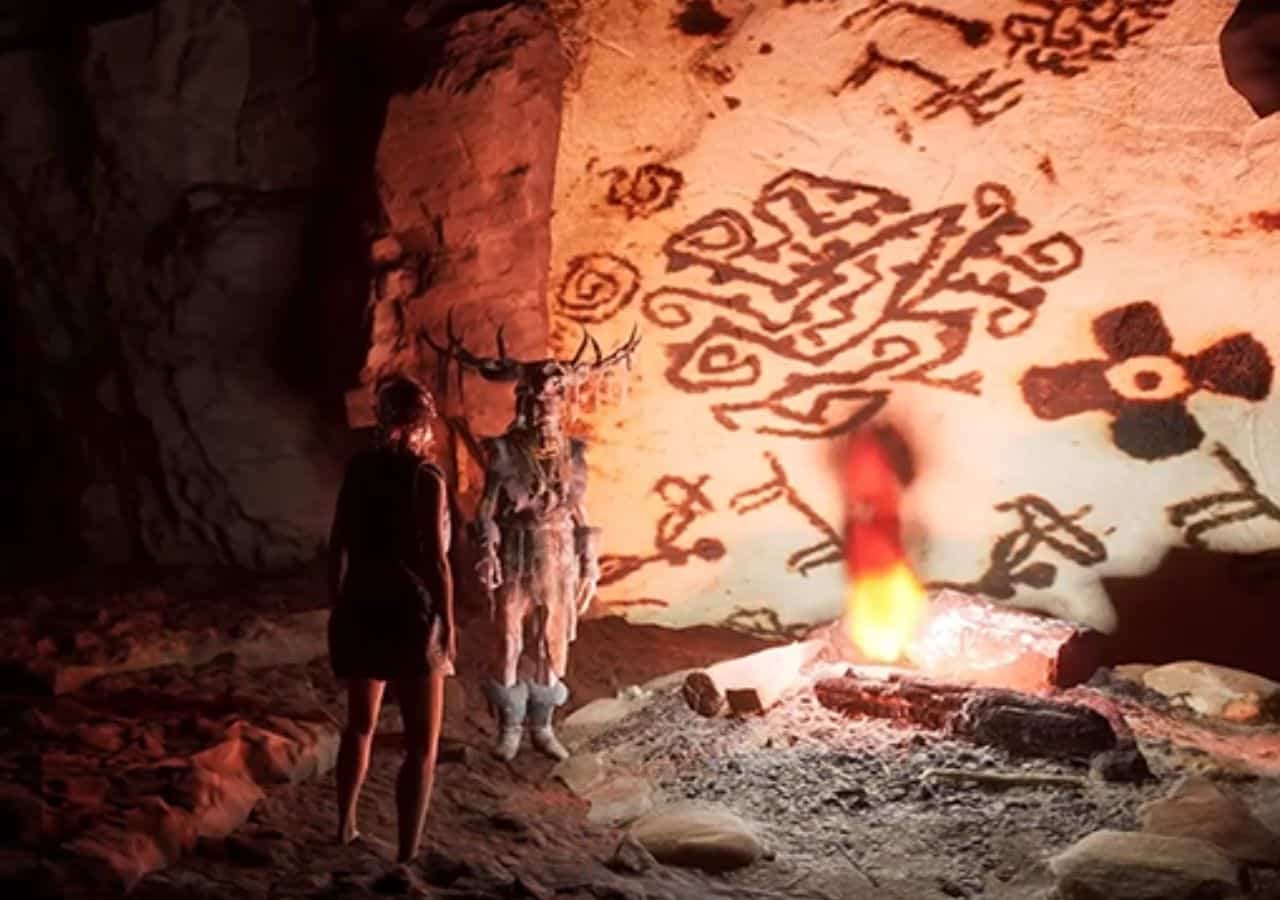
A team of archaeologists has developed a 3D educational prehistoric video game that brings the Stone Age to life, using artificial intelligence (AI), open-source platforms and basic video tools. The project offers a low-cost and accessible way to recreate prehistoric environments, with researchers calling it a step forward in how cultural history is communicated digitally.
The prehistoric video game was created by archaeologists from the University of Copenhagen and the University of Bergen. It was built using Unreal Engine, an AI-driven design approach, and tutorial resources available on YouTube. According to the team, this method significantly reduces production time and costs, while avoiding the need for advanced technical skills.
Prehistoric site recreated with AI characters
The game is part of the Deep Histories of Migration research project and is centered on the Neolithic period in Northern Europe. Set at a site on the Danish island of Funen, it uses real video footage captured by the researchers at two long dolmens in Lindeskov Hestehave.
Players explore the area and engage with two AI-powered characters: an archaeologist and a woman from the Stone Age. Each character is programmed with background stories and can respond in several languages, creating a flexible and immersive learning experience.

Mikkel Nørtoft, an archaeologist from the University of Copenhagen, explained that the use of generative AI allowed the team to skip traditional scriptwriting.
Instead, characters generate dialogue from research-based prompts and a custom knowledge base. This allows the content to be updated easily as new archaeological insights emerge, keeping the game grounded in current research.
AI and prehistoric video game development
Until now, developing immersive historical games has largely been limited to major commercial studios due to high production costs and the need for technical expertise.
Popular titles like Assassin’s Creed and Civilization have drawn on historical themes, but often with less emphasis on accuracy. Nørtoft and his colleagues view their project as a practical alternative for academic and museum professionals.
The game, described by the team as a working example rather than a finished product, is intended to show what is possible for beginners in digital storytelling. Nørtoft said that with minimal instruction, most institutions could learn to build simple interactive experiences using their own expertise.
Their findings were published in the journal Advances in Archaeological Practice, with the goal of guiding other professionals interested in using technology to present history in new and engaging ways.