
Businesses large and small across California are paying even more on their payroll taxes to the federal government this year because of spending decisions the state’s Legislature and governor made within the last few years. California is the only state in the nation that has not paid its pandemic unemployment debt to the federal government. The Trump administration in 2020 provided the state with a $20 billion loan to cover unemployment costs during COVID-19. Every state, except California and New York, paid the loan back with federal stimulus money, which was a debt-repayment strategy offered by the Biden administration. California lawmakers and the governor chose to hold onto those funds and use them for other expenses instead of putting it toward the loan.Since the state did not pay back the debt within two years, federal law requires the state’s employers to step in and pay up. Each employer this upcoming year, regardless of the number of employees they have and whether they are part or full-time, will pay an extra $42 dollars per employee on their payroll taxes because of the debt. In 2027 the number increases to $63 and increases another $21 per employee every year until the debt is paid. “It creates another disincentive to be able to scale and grow jobs here,” said Rob Lapsley, the President of the California Businesses Roundtable, in an interview on California Politics 360. The group lobbies on behalf of some of the state’s largest employers at the state capitol.”That debt is increasing annually and now it’s become a problem for both large and small businesses,” Lapsley said. Last year, Gov. Gavin Newsom said he tried to put billions toward the loan and legislative leaders said they wanted to “mitigate” the impacts of the higher payroll taxes on small businesses and nonprofits, but they ended up taking no action and did not put any money toward the principal of the loan. Lapsley said the business community asked the governor to use $10 billion from the federal stimulus to pay off the loan but noted it didn’t happen. “To the governor’s credit, he hasn’t expanded unemployment insurance for what the Legislature wanted, which was for striking workers. That would’ve blown a much bigger deficit into the program,” Lapsley said. “But we’re still stuck with $21 billion.” “This is called the greatest hidden tax,” Lapsley said, noting businesses are now paying $130 total on their payroll taxes per employee. “When you look at the potential penalties that could be imposed by the federal government, from the Trump administration, if we don’t get a handle on this, we could be well up over $400 per employee,” Lapsley said. “That’s our fear.” A spokesperson for the White House did not respond to a request for comment. California has been grappling with years of budget deficits, and another significant shortfall expected this upcoming budget year. “We’re not hopeful at all,” Lapsley said when asked about the likelihood state leaders put anything towards the principal of the loan. “There was a deliberate decision by leaders of the state for businesses to pay this.” “The Unemployment Insurance system is a persistent challenge,” said State Senate Pro Tem Monique Limón in a statement to KCRA 3. “The Senate understands the need to work with the Governor and all stakeholders on necessary reforms that make the system more stable for our small businesses while maintaining important worker protections.” “California’s broken unemployment insurance system is a decades-old problem, one that the state has grappled with since the 1980s,” said Nick Miller, a spokesman for Assembly Speaker Robert Rivas in a statement. “If business and employee groups can deliver a compromise that protects working families, the Legislature will carefully consider any future proposal from the Governor.”KCRA 3 Political Director Ashley Zavala reports in-depth coverage of top California politics and policy issues. She is also the host of “California Politics 360.” Get informed each Sunday at 8:30 a.m. on KCRA 3.See more coverage of top California stories here | Download our app | Subscribe to our morning newsletter | Find us on YouTube here and subscribe to our channel
Businesses large and small across California are paying even more on their payroll taxes to the federal government this year because of spending decisions the state’s Legislature and governor made within the last few years.
California is the only state in the nation that has not paid its pandemic unemployment debt to the federal government.
The Trump administration in 2020 provided the state with a $20 billion loan to cover unemployment costs during COVID-19. Every state, except California and New York, paid the loan back with federal stimulus money, which was a debt-repayment strategy offered by the Biden administration. California lawmakers and the governor chose to hold onto those funds and use them for other expenses instead of putting it toward the loan.
Since the state did not pay back the debt within two years, federal law requires the state’s employers to step in and pay up. Each employer this upcoming year, regardless of the number of employees they have and whether they are part or full-time, will pay an extra $42 dollars per employee on their payroll taxes because of the debt. In 2027 the number increases to $63 and increases another $21 per employee every year until the debt is paid.
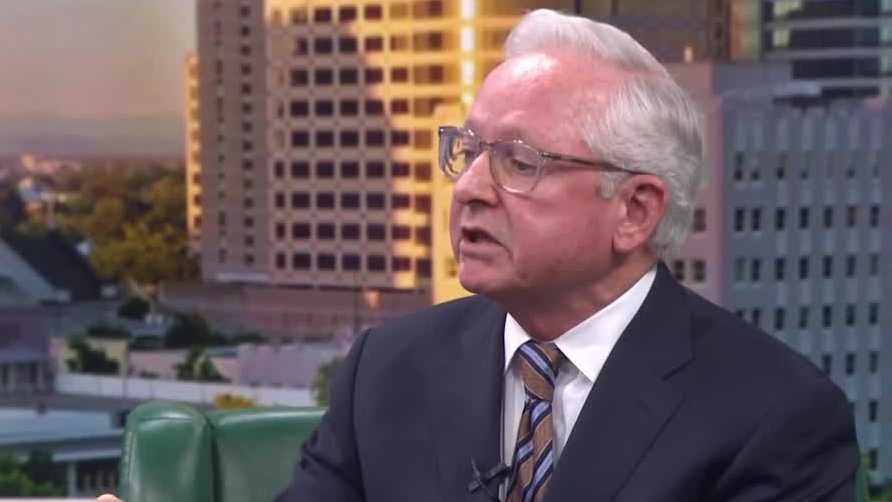
“It creates another disincentive to be able to scale and grow jobs here,” said Rob Lapsley, the President of the California Businesses Roundtable, in an interview on California Politics 360. The group lobbies on behalf of some of the state’s largest employers at the state capitol.
“That debt is increasing annually and now it’s become a problem for both large and small businesses,” Lapsley said.
Last year, Gov. Gavin Newsom said he tried to put billions toward the loan and legislative leaders said they wanted to “mitigate” the impacts of the higher payroll taxes on small businesses and nonprofits, but they ended up taking no action and did not put any money toward the principal of the loan.
Lapsley said the business community asked the governor to use $10 billion from the federal stimulus to pay off the loan but noted it didn’t happen.
“To the governor’s credit, he hasn’t expanded unemployment insurance for what the Legislature wanted, which was for striking workers. That would’ve blown a much bigger deficit into the program,” Lapsley said. “But we’re still stuck with $21 billion.”
“This is called the greatest hidden tax,” Lapsley said, noting businesses are now paying $130 total on their payroll taxes per employee.
“When you look at the potential penalties that could be imposed by the federal government, from the Trump administration, if we don’t get a handle on this, we could be well up over $400 per employee,” Lapsley said. “That’s our fear.”
A spokesperson for the White House did not respond to a request for comment.
California has been grappling with years of budget deficits, and another significant shortfall expected this upcoming budget year.
“We’re not hopeful at all,” Lapsley said when asked about the likelihood state leaders put anything towards the principal of the loan. “There was a deliberate decision by leaders of the state for businesses to pay this.”
“The Unemployment Insurance system is a persistent challenge,” said State Senate Pro Tem Monique Limón in a statement to KCRA 3. “The Senate understands the need to work with the Governor and all stakeholders on necessary reforms that make the system more stable for our small businesses while maintaining important worker protections.”
“California’s broken unemployment insurance system is a decades-old problem, one that the state has grappled with since the 1980s,” said Nick Miller, a spokesman for Assembly Speaker Robert Rivas in a statement. “If business and employee groups can deliver a compromise that protects working families, the Legislature will carefully consider any future proposal from the Governor.”
KCRA 3 Political Director Ashley Zavala reports in-depth coverage of top California politics and policy issues. She is also the host of “California Politics 360.” Get informed each Sunday at 8:30 a.m. on KCRA 3.
See more coverage of top California stories here | Download our app | Subscribe to our morning newsletter | Find us on YouTube here and subscribe to our channel