
You May Also Like

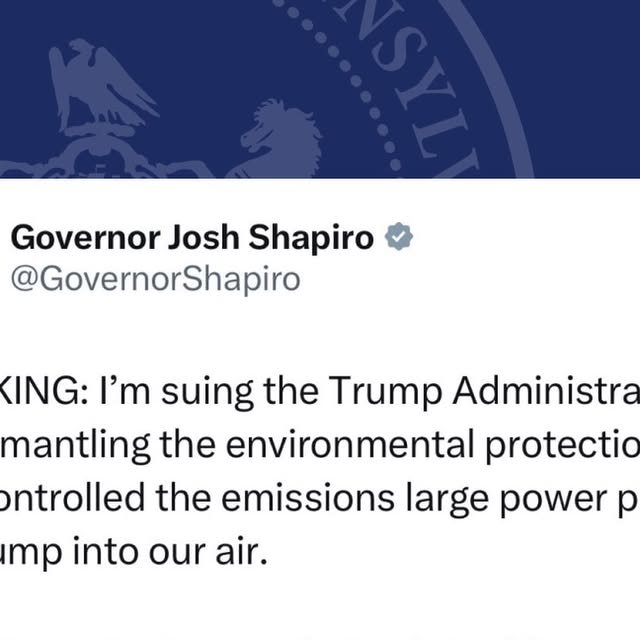

Climate change is a priority, but for me and for many, our focus has shifted to other concerns. Fearful for democracy, human rights and the economy, it’s easy to make those issues a priority while on Planet Earth and its inhabitants suffer. Hurricanes ravage, forests burn, floods rage, heat intensifies, winds pummel, farmlands dry up, and habitats disappear. It’s a lot. We are now at tipping points for coral reefs, melting ice and permafrost, meaning we are approaching points of no return.
Isn’t the most important thing that we stay alive? That we have clean water, secure homes, food availability and interconnected ecosystems of dependency that ensure that the Earth works? Good intentions and observing the natural world are not enough—we need to do some work. Human rights, including migration, poverty, disease and famine, are intimately linked to environmental issues. Human beings will survive only if the planet is healthy.
Sorry. Please excuse my preaching tone. I’m trying to make a statement. Trying to rouse you.
Two years ago, I created a multi-day workshop based on the book Braiding Sweetgrass : Indigenous Wisdom, Scientific Knowledge, and the Teachings of Plants by Robin Walls Kimmerer. An enrolled member of the Citizen Potawatomi Nation, Kimmerer is a SUNY Distinguished Teaching Professor of Environmental Biology and the founder and director of the Center for Native Peoples and the Environment. Braiding Sweetgrass further informed me about interconnectedness between the natural world and the people who live in it. I never heard of planting beans, corn and squash together so that they feed each other until I read the book.

In the woods, ask questions. Why does skunk cabbage grow first along the paths in a forest and how does it prepare the soil for the plants that replace it? How do companion plants benefit both species? What plants are pollinators drawn to? How do the interlocked roots of trees keep them from tumbling over? How does nature work? How do we support it so it can support us?
Local hiking, gardening and environmental groups provide education and encourage participation. Volunteer experiences are offered by local hiking and gardening groups and the Cleveland Metroparks. The Volunteers-in-Parks Program, managed by the National Park Service and the Conservancy for Cuyahoga Valley National Park, provides opportunities to preserve the CVNP. The U.S. Fish and Wildlife Service and The National Oceanic and Atmospheric Administration provide volunteer opportunities ranging from data collection and species monitoring to habitat restoration and citizen science experiences. The Natural Resources Defense Council uses the expertise of scientists, lawyers, and other staff to confront the climate crisis. The Sierra Club, “the nation’s largest and most effective grassroots environmental movement,” hosts many working vacations.
EcoCation defines “environmental activism” as “the collaboration of different groups of individuals and organizations with the purpose of addressing environmental issues, such as climate change, resource depletion, pollution, toxic waste and deforestation.” An internet search for “environmental activism” turns up The Nature Conservancy, the Rainforest Trust, and Greenpeace, among others. You can support those that align best with your values and get involved.
As I sit in my warm house thinking about how I could be doing more, I do the simple thing—I donate. And when I start receiving emails and magazines, I’ll be challenged to get involved. That’s what happened when I read “Sierra” and “National Audubon” magazines today—I decided to write an essay for CoolCleveland.

