
Now Reading: how energy, environment, and stress quietly interact
- 01
how energy, environment, and stress quietly interact

how energy, environment, and stress quietly interact
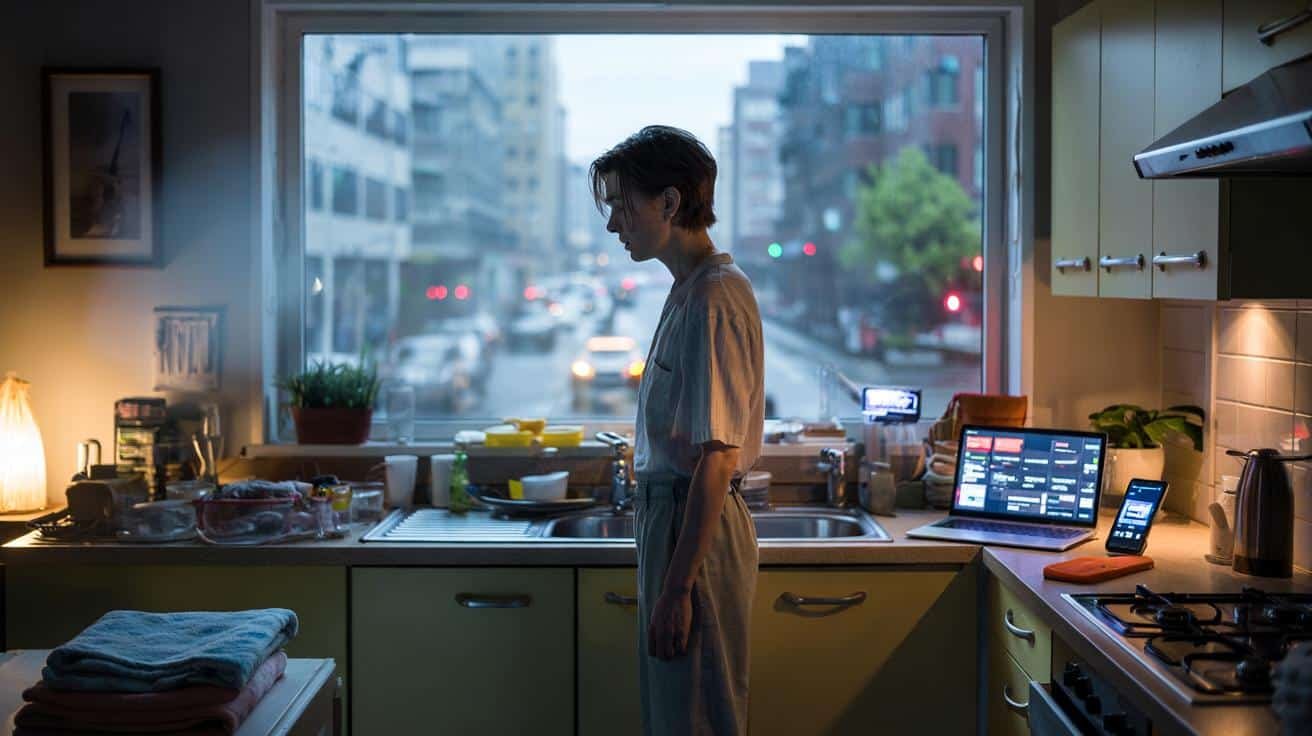
The first time I noticed something was off, I was standing in my kitchen, staring at a sink full of dishes like it was a final exam. I wasn’t sick, I’d slept enough, and nothing dramatic had happened. Yet my body felt like a phone on 3% battery. Every small task buzzed like a notification I wanted to ignore. Outside, the sky was a flat grey, traffic humming in the background, a faint smell of exhaust drifting through the window I’d forgotten to close. My shoulders were up by my ears. My jaw was tight. My mind was racing, but my limbs were heavy.
I didn’t feel “burnt out” in the classic sense. I just felt…off.
Only later did I realise I hadn’t connected the dots at all.
When your body feels tired but your brain blames your character
There’s a quiet moment that hits a lot of us: you’re not lying in bed all day, yet your energy just doesn’t match your life. You get through work, answer messages, scroll your feeds, but everything feels heavier than it should. You tell yourself you’re lazy, unmotivated, not “disciplined enough”.
Sometimes you even double down. More coffee. Less rest. Push harder.
What almost nobody says in that moment is: “Maybe my environment, my stress load, and my energy are all having a secret meeting behind my back.”
Take Sara, 34, who works remotely from a small apartment overlooking a busy road. She started noticing tension headaches around 3 p.m. every day. Her doctor ruled out anything serious. She told herself she was “just bad at managing stress”.
Months later, a friend visited and pointed something obvious out. The room was dim. The window faced a wall of traffic. A TV in the next apartment droned all day. Her chair was cheap, her posture folded in on itself, and her to-do list lived on twelve different tabs.
“It’s like your nervous system never gets to be off-duty,” her friend said. That night, Sara slept nine hours and still woke up tired.
Our bodies are constantly scanning three things: the energy we have, the environment we’re in, and the stress we’re under. Yet we treat them as three separate problems. Tired? Must be sleep. Anxious? Must be mindset. Distracted? Must be willpower.
➡️ Botox bob: here’s the haircut that makes you look “10 years younger” according to a hairstylist
➡️ Adopt a German Shepherd Dog Rescue Dog Lila “loving homes needed urgently”
➡️ Here’s The Age When Men Finally Reach Emotional Maturity
➡️ Neither swimming nor Pilates: The best activity for over 65s with joint problems
Reality is messier. Harsh lighting, background noise, clutter, air quality, notifications, unresolved worries, money stress, the news cycle…they pile on top of each other like invisible weights. Your body responds as if you’re living inside a low-level emergency.
So you don’t just feel “tired”. You feel wired and tired at the same time. And that’s a different beast.
Small levers that quietly change everything
One of the simplest “energy experiments” is to adjust just one environmental factor for a week and watch what shifts. Not your entire lifestyle, not a 30-step morning routine. One lever.
For some people, it’s light. Ten minutes of actual daylight on your face before checking your phone. For others, it’s sound: working one hour a day in real quiet, or with soft background noise instead of constant talking heads.
If you’re curious, treat it like a tiny lab. Change one thing in your surroundings, hold everything else roughly the same, and see what your body quietly tells you by Friday.
A common trap is to attack your life like a renovation show: new diet, new workout, declutter the whole house, meditate, journal, cold showers, digital detox. Two weeks later, you’re more exhausted than before, feeling like you’ve “failed self-care”.
The truth is, most of us don’t need a full rebuild. We need one or two structural tweaks that make stress easier to process. Maybe it’s walking around the block after work instead of collapsing straight onto the couch. Maybe it’s putting your laptop out of sight by 8 p.m. so your brain stops thinking you live at the office.
*Tiny environmental wins add up way faster than heroic bursts of discipline.*
There’s also the emotional weight of believing your energy is a moral issue. That if you were a better person, you’d be “on” all the time.
Sometimes the bravest thing you can say is: “Maybe it’s not me. Maybe it’s the system around me.”
- Light and air
Open a window twice a day, step outside for five minutes, and reduce harsh artificial lighting when you can. - Noise and input
Experiment with one “quiet hour” a day: no news, no calls, no podcasts, just you and whatever you’re doing. - Boundaries with work
Create a visible “off switch”: close your laptop, change clothes, leave the room, or touch a specific object that marks the end of work. - Body tension
Scan your shoulders, jaw, and breath three times a day. Relax one of them on purpose. That’s it. - Digital stress
Move your most stressful apps off your home screen, or onto a different page, so you don’t dive into stress by reflex.
Living inside the web of energy, environment, and stress
Once you start noticing how these three threads weave together, everyday scenes look different. The colleague who snaps in meetings might not be “difficult”; maybe he’s running on poor sleep, fluorescent lights, and childcare worries. The friend who cancels plans might not be flaky; her nervous system could be maxed out from noise, city life, and a demanding job.
You also start seeing your own patterns with a little more gentleness. The afternoon slump, the evening scrolling, the Sunday dread — they’re signals, not character flaws.
We’ve all been there, that moment when you blame yourself for “not handling life better”, while sitting in a room that’s basically an anxiety amplifier. Bright screen, stale air, endless pings, a half-finished task in every corner. Your brain is trying to focus in a space that whispers “danger” from five different directions.
Let’s be honest: nobody really does this every single day. Nobody lives like a wellness infographic with perfect routines and zero stress. Real life is messy. Kids wake up at night, neighbours drill into walls, deadlines slide.
The point isn’t control. It’s margin. A little more space between you and the constant pressure cooker.
So maybe the useful question isn’t “Why am I like this?” but “What is my body adapting to right now?”
Is your energy low because you’re lazy — or because your nervous system is flooded by noise, light, news, tension, and multitasking? Are you “bad at stress”, or just overloaded with invisible inputs that never let you reset?
Once you see the web, you can start tugging gently at one thread. A walk. A window open. A light dimmed. A notification turned off. A boundary drawn.
You don’t have to fix your whole life. You just have to connect the dots you were never taught to see.
| Key point | Detail | Value for the reader |
|---|---|---|
| Energy is not only about sleep | Light, noise, air quality, and tension constantly drain or refill your “battery” | Stops self-blame and opens up new, practical levers for feeling better |
| Environment shapes stress | Clutter, constant alerts, and poor boundaries keep your nervous system on high alert | Helps you redesign spaces and habits to feel calmer without drastic life changes |
| Small changes compound | One or two consistent tweaks beat intense, short-lived overhauls | Makes progress realistic, sustainable, and less overwhelming |
FAQ:
- Question 1How do I know if my low energy is from stress or something medical?
Start with a basic health check if your fatigue is new, intense, or worrying. Once serious causes are ruled out, look at patterns: if your energy dips after long screen time, noisy spaces, or chaotic days, your stress and environment are likely major players.- Question 2What’s one change I can try this week if I’m overwhelmed?
Pick a simple “transition ritual” between work and the rest of your day: a 10-minute walk, a shower, or changing clothes. Repeat it daily and notice how your mind and body respond.- Question 3Does this mean mindset doesn’t matter at all?
Mindset still matters, but it’s not floating in space. Thoughts and beliefs are easier to shift when your body isn’t constantly on edge from light, noise, clutter, or nonstop alerts.- Question 4What if I can’t change my environment much, like at work or in a shared home?
Look for micro-tweaks: noise-cancelling headphones, short outdoor breaks, a small desk plant, warmer light on your screen, or a specific corner that feels calmer where you can retreat for five minutes.- Question 5How long before I notice any difference?
Some changes, like stepping into daylight or reducing noise, can feel different the same day. Others, like better boundaries with work or screens, usually show up over one to three weeks of consistent practice.