

Introduction
Barack Obama, the 44th President of the United States, stands as a seminal figure in American history, celebrated not only for his policies but for the profound impact he has had on the collective consciousness of a nation. His presidency is often compared to those of legends such as Abraham Lincoln, characterized by a unique blend of innovative leadership and deeply rooted empathy. This emotional intelligence has enabled Obama to connect with diverse populations across the country, making his presidency a notable chapter in the ongoing narrative of American governance.
From his first campaign in 2008, Obama harnessed the power of communication that resonated with millions, echoing themes of hope and change. His ability to articulate the aspirations and frustrations of the American electorate played a significant role in his ascent to leadership. Undoubtedly, his accomplishments as president have been shaped by a style of governance that prioritizes understanding and collaboration, fostering an environment where dialogue and diplomacy override division.
Moreover, Obama’s historic election not only broke racial barriers but also inspired a generation to engage more actively in political discourse. His presence in the White House challenged conventions and encouraged inclusivity, amid a backdrop of significant social and economic challenges. This ability to galvanize support while maintaining a steady hand in governance is a testament to his leadership style, one that artfully weaves emotional engagement with strategic insights.
As we explore the facets of Barack Obama’s legacy, it becomes increasingly clear that his commitment to connecting with people transcended traditional political boundaries and forged a unique bond with the American populace. This foundational aspect of his presidency highlights why Obama is regarded not only as a transformative leader but also as an emblem of emotional connectivity in politics.
Comparing Legacies: Obama and Lincoln
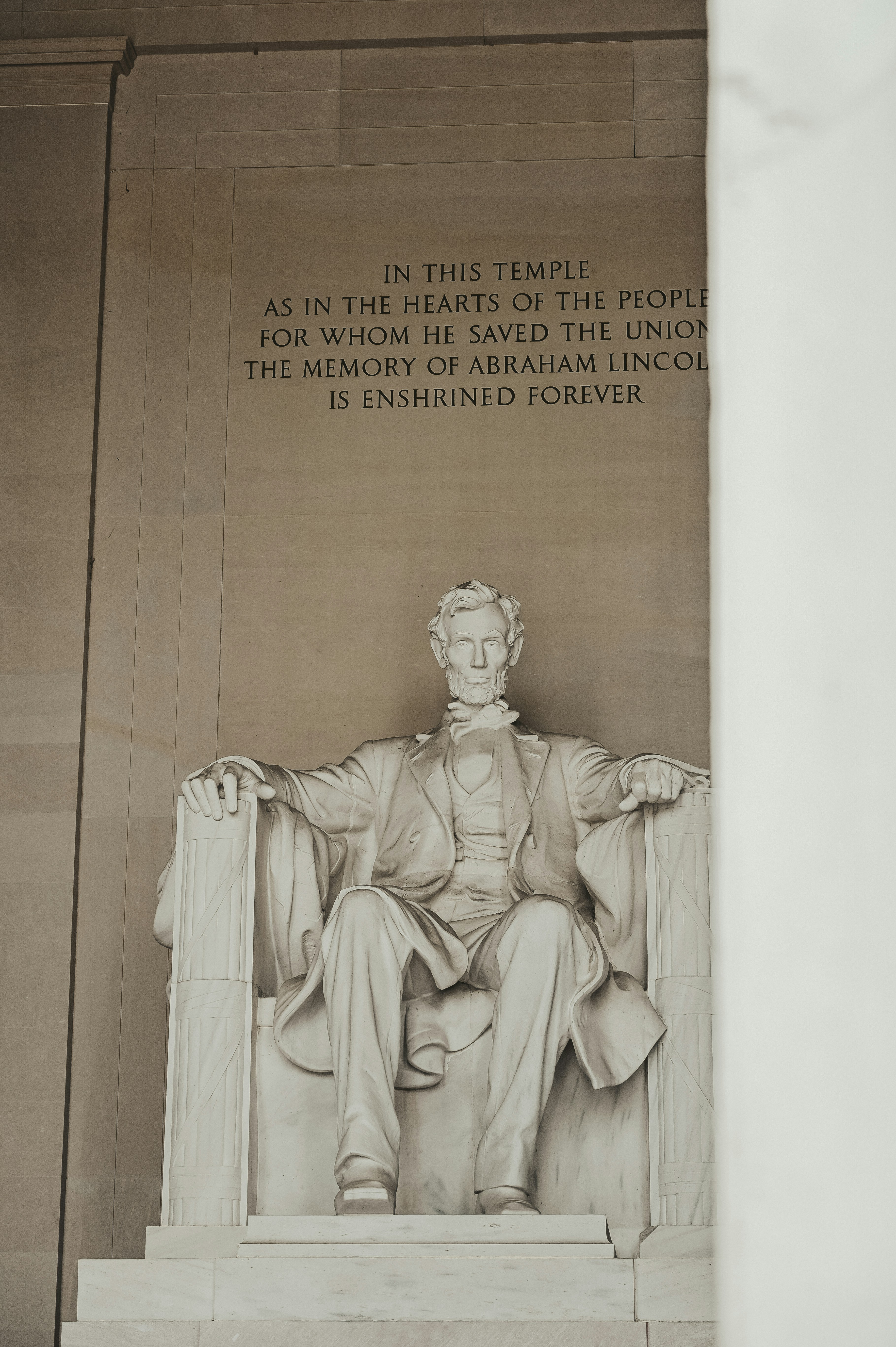
Throughout American history, few presidents have managed to resonate with the populace during challenging times as profoundly as Abraham Lincoln and Barack Obama. Both leaders emerged in periods marked by national division and unrest, yet their approaches to governance and connection with the American people displayed remarkable parallels. Lincoln, during the Civil War, utilized his empathetic leadership style to unify a nation on the brink of collapse, while Obama, amid the Great Recession and a politically polarized environment, sought to heal the divides within society.
One of the most notable similarities between these two figures is their innate ability to empathize with their citizens. Lincoln understood the plight of those affected by war, labor, and civil rights, demonstrated through his speeches and policies aimed at preserving the Union and abolishing slavery. Similarly, Obama’s presidency was characterized by a strong emphasis on social justice, healthcare reform, and addressing the economic struggles faced by Americans. His efforts to promote inclusivity and compassion illustrate a commitment to policy that reflects the progressive values of his time.
Both presidents also had the extraordinary ability to inspire hope in their nations. Lincoln’s timeless address during the Gettysburg Address served not only as a reminder of the nation’s founding principles but also as a call to action for a better future. In a similar vein, Obama’s oratory skills and uplifting rhetoric, particularly during his first presidential campaign, galvanized millions, encouraging citizens to believe in the possibility of change and progress. This talent for motivating people underscores their legacies as leaders who not only governed but also uplifted and inspired their constituents.
Enduring Challenges: The Legacy Conversation
The discourse surrounding presidential legacies has long been characterized by an intense and often polarized discussion. Much like the ongoing debates about sporting legends, such as Michael Jordan in the world of basketball, the examination of Barack Obama’s legacy is fraught with both admiration and critique. Significant achievements during his administration, including the Affordable Care Act and the recovery from the Great Recession, continue to elicit varying reactions from different segments of the population. Understanding these enduring challenges is essential in assessing his lasting impact on American society.
Critics frequently highlight some of the obstacles Obama faced during his presidency, particularly in relation to partisan divisions that characterized his time in office. These divisions complicated not only the implementation of his policies but also the general perception of his accomplishments. The challenges he encountered do not diminish his achievements; instead, they provide pivotal context for understanding the complexity of his leadership. Just as opinions on athletic performance can evolve over time, so too do discussions concerning Obama’s contributions to the nation.
The evolution of President Obama’s legacy is ongoing, with new interpretations emerging as time progresses. Many scholars and analysts attempt to reconcile his groundbreaking moments with the controversies that arose during his administration. His significance in American history remains evident, especially as new generations assess his role against contemporary issues. While criticisms abound, his position as one of the greats is firmly maintained. As society continues to grapple with the ramifications of his policies, the dialogue surrounding his legacy will undoubtedly persist, offering fresh insights into how he is remembered by future generations.
Conclusion: Obama’s Place in History
Barack Obama’s presidency marked a transformative chapter in American history, one that resonates with the core values of leadership, understanding, and emotional intelligence. Throughout this exploration, it has become evident that Obama’s unique approach to governance was characterized not just by his policy achievements, but by the profound connections he fostered between people, cultures, and ideologies. His presidency represented a shift toward a more inclusive and empathetic approach to leadership that prioritized dialogue and understanding over division.
The emphasis on emotional intelligence allowed Obama to navigate complex political landscapes, engage with diverse communities, and unite disparate groups under broader national narratives. His capacity to connect deeply with citizens on an emotional level enabled him to address contemporary issues with sensitivity and insight. Such qualities have led many to view him as a pivotal figure within American cultural history.
As we reflect on Obama’s place in history, it is essential to acknowledge the lasting impact of his leadership philosophy. His commitment to fostering inclusivity and understanding serves as a guide for aspiring leaders in an increasingly polarized world. The significance of his presidency will likely influence future generations, inspiring them to adopt a similar ethos in their own approaches to governance and community engagement.
In conclusion, Barack Obama’s legacy transcends mere political accomplishments; it encapsulates a profound cultural shift that emphasizes emotional intelligence in leadership. His ability to empathize, communicate, and connect with individuals from varied backgrounds has solidified his place among the greatest presidents of America. As we continue to navigate the complexities of modern governance, the lessons derived from his presidency remain vitally relevant and serve as a beacon for those who aspire to lead with compassion and understanding.
Leave a Reply