California DMV delays Tesla sales suspension over Autopilot advertising dispute | Ukraine news
In California, the DMV regulator is considering a temporary 30-day pause on Tesla sales after the regulator ruled that the use of the term “Autopilot” for the driver-assistance system constitutes false advertising. This development underscores the tense dynamic between the EV maker and the regulator who monitors manufacturers’ claims to meet consumer needs and standards for transparent advertising.
The California Department of Transportation could halt sales in the state immediately, according to the findings of an earlier administrative court ruling. However on Tuesday the agency said it would pause these actions for 90 days to continue negotiations with the EV maker. The move gives both sides more time to reach an agreement without a full halt to supplies in the state.
The DMV stated that Tesla vehicles do not live up to the promise associated with the term “Autopilot,” because they are not capable of operating as fully autonomous cars. In other words, the regulator emphasizes the difference between a driver-assistance system and full autonomous driving.
The DMV filed the case against Tesla in 2023 over the use of the term “Autopilot,” and the parties have not been able to reach an agreement. Now, to avoid a sales halt, Tesla will most likely need a court ruling blocking the DMV’s action. This development highlights the long-running legal battle between the maker and the regulator over marketing and the real capabilities of the technology.
Reaction and context of the conflict
Tesla can take simple steps to pause this decision and settle this matter once and for all.
“Tesla and its CEO Elon Musk have often boasted about the capabilities of their cars while also warning drivers to stay vigilant and ready to take control of the car in case of problems, even when using the driver-assistance system,” says the official statement. Tesla also, in response to the DMV actions, released a post on a social media platform: “This was a consumer-protection decision regarding the use of the term “Autopilot” in a case where no customer had come forward with a problem. California sales will continue uninterrupted.”
This was a consumer-protection decision regarding the use of the term “Autopilot” in a case where no customer had come forward with a problem. Sales in California will continue uninterrupted.
In addition, Tesla renamed the official designation of its more advanced features “Full Self-Driving” (FSD), which are sold separately. They are now called “Full Self-Driving (with supervision),” while Musk and fans usually refer to them simply as “FSD.”
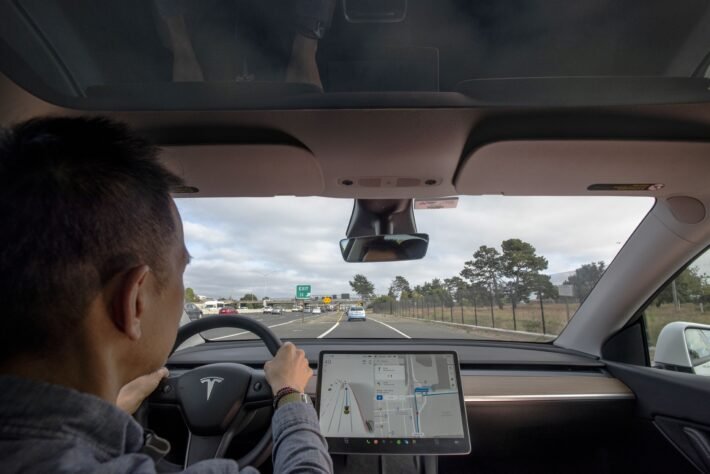
Autopilot mode provides drivers with driver-assistance features commonly found in modern cars, including automatic braking, slowing down before a car ahead, and blind-spot alerts. Full self-driving – even in the supervised version – theoretically envisions the ability to drive the car, but the driver must stay alert and ready to take control.
U.S. regulatory authorities are already conducting numerous investigations into crashes involving autopilot systems. In July 2019, a Florida court found Tesla liable in a case involving Autopilot and ordered it to pay $329 million to the family of the deceased and the injured; Tesla is appealing that ruling. Such cases highlight the gap between promised capabilities and the real risks of using driver-assistance systems.
California remains a key market for Tesla’s sales and the site of one of the company’s two U.S. factories. The DMV decision could have a significant impact, but despite the 90-day delay and the possibility of a court case, there has been no full halt to production in the state. At the same time, changes in marketing and potential legal rulings could affect the image and sales dynamics in the region.
Tesla (TSLA) shares closed higher ahead of the regulator’s decision, rising 3% for the day and 21% for the year. In pre-market trading before Wednesday’s session, their price barely moved, signaling investor steadiness despite regulatory pressure.
The outcome of such a story could significantly influence the United States’ future approach to regulatory oversight of automotive technology. The influence of regulatory decisions on transparency and accountability in marketing could shape how the market for autonomous systems develops in the coming years. In any case, for Tesla it’s important to meet consumer expectations and adhere to standards to maintain trust and competitiveness in the California market and beyond.