
Live updates: Iran war news; US to blockade ships from Iranian ports, Trump claims ceasefire ‘holding well’
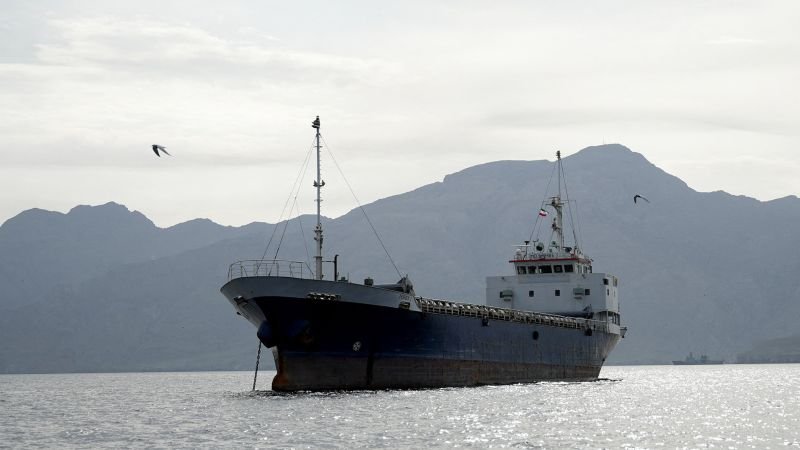

Iran’s major ports are in the Persian Gulf, though it also has one in the Gulf of Oman – outside the Strait of Hormuz.
All will be subject to a US blockade due to begin later Monday, with US Central Command saying the blockade will be enforced “against vessels of all nations entering or departing Iranian ports and coastal areas.”
The main port is Bandar Abbas, at the mouth of the Gulf. It handles a huge amount of freight as well as minerals such as chrome and petroleum products, and steel.
According to shipping industry data, Bandar Abbas handles 37 million tons of cargo every year, and about a million containers. Food, fertilizer, grain and construction equipment is also traded through Bandar Abbas. As of Monday, dozens of ships with their transponders active were at anchor off the port.
At the northern end of the Gulf, Bandar Imam Khomeini is Iran’s most modern port, with new berths opened recently. It handles a variety of cargoes including the export of petrochemicals and is also a rail hub. According to shipping industry data, it handles more than 16 million tons of cargo annually.

Most of Iran’s oil production is exported through an offshore terminal at Kharg Island, which has more than 50 storage tanks. The United States has carried out extensive strikes on the island’s military posts in the last month, but not its oil infrastructure.
Smaller ports on Iran’s Gulf coast include Bushehr and Assaluyeh.
Outside the Gulf, Iran’s only ocean port is Chabahar, which handles grains, fertilisers and containers. Approximately 1.4 million tons of cargo pass through Chabahar every year, and it handles some 1,600 vessels annually.
India has invested in expanding the port to access central Asian trade markets.
Iran has three ports on the Caspian Sea not affected by the US blockade.