

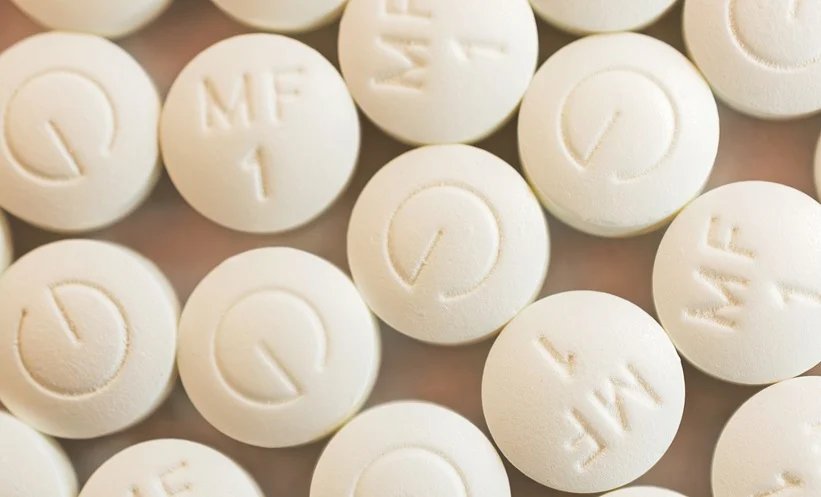
METFORMIN can lower blood sugar via a brain-based pathway, scientists have discovered.
It was previously understood to work predominantly though the gut and liver.
Previous Understandings of Metformin
Metformin, the most commonly prescribed antidiabetic drug, has been a standard first-line treatment for Type 2 diabetes for more than 60 years.
It has multiple metabolic effects that lead to weight loss and enhanced insulin sensitivity, exhibiting an antidiabetic effect.
Alongside favourable metabolic effects, it is also low cost and has a favourable safety profile.
It is widely accepted that metformin works by lowering glucose output in the liver and studies have also showed that it acts through the gut.
However, after 60 years, researchers have now discovered metformin’s interaction with a small protein called Rap1, located in the ventromedial hypothalamus (VMH) of the brain.
Neural Mechanisms of Metformin Revealed
Researchers found that disabling the effects of Rap1 in the forebrain of mice made them resist the effects of low-dose metformin, whilst remaining sensitive to other antidiabetic agents.
Centrally administered metformin inhibited brain Rap1 and reduced hyperglycaemia, authors reported.
Results were robust even at doses thousands of times lower than those typically taken orally.
Alternatively, activating Rap1 in the brain increased glycemia and prevented metformin from reducing blood glucose levels.
Researchers concluded that metformin therefore activated specific neurons in the VMH requiring Rap1.
Overall, the VMH Rap1 pathway is an essential mediator of metformin’s effects, authors concluded.
Implications for Diabetes Treatment
Researchers noted that findings point to the possibility of new diabetes treatments that target the VMH Rap1 pathway directly.
Future studies should explore this potential link in the hypothalamus to learn more about glucoregulatory mechanisms in the brain that are targeted by metformin, authors reported.
This would supplement their discovery of the previously unknown neural mechanisms behind the antidiabetic effects of metformin.
Reference
Lin H-Y et al. Low-dose metformin requires brain Rap1 for its antidiabetic action. Sci Adv. 2025;11(31):DOI:10.1126/sciadv.adu3700.
Featured image: Jennifer on Adobe Stock