
Period blood test ‘could offer less invasive’ cervical screening approach
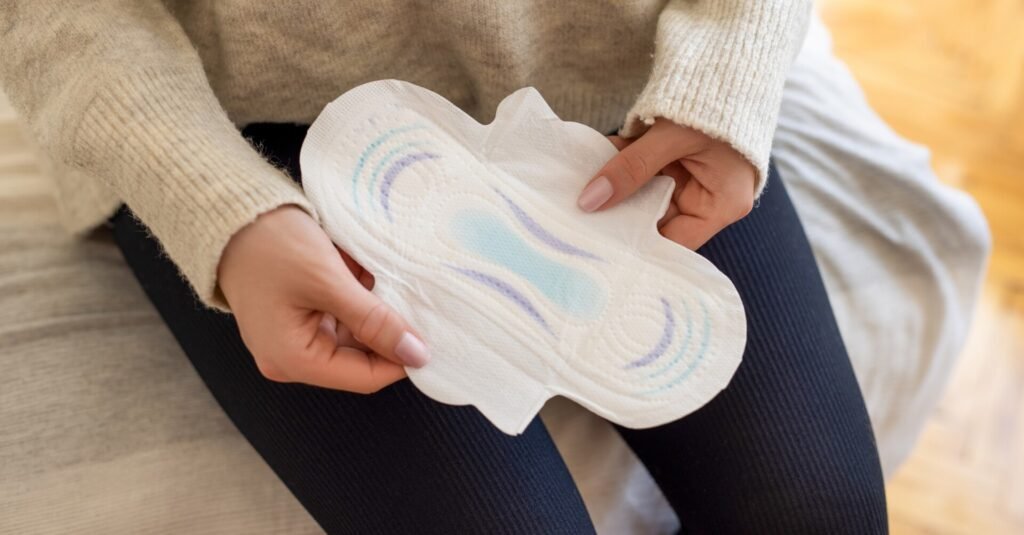
New research suggests that testing period blood for signs of cervical cancer could be a ‘convenient and non-invasive’ alternative to clinician-based screening and could help to expand access.
The study, published in the British Medical Journal (BMJ), stated that testing a blood sample strip inside a regular sanitary pad for human papillomavirus (HPV) could be an ‘equivalent alternative’, following testing of more than 3,000 participants in China between 2021 and 2025.
Cervical cancer charities said they hoped the research could help to increase the number of women participating in screening.
Helen Hyndman, lead nurse at The Eve Appeal, the gynaecological cancers charity, said while this research is in the early stages, she hopes it may offer a safe, less invasive method of testing for high-risk HPV which could increase the number of women and people with a cervix taking tests.
She said: ‘One in three women and people with a cervix aren’t attending cervical screenings when they are invited and we know they are crucial to preventing cancer. Ideally, we need to get that number to 80% of women attending to reach our goal of eliminating cervical cancer by 2040.
‘There are several reasons why women and people with a cervix may find this test more accessible to them, for example it’s much less invasive. Additionally, it may help for people who have physical needs, learning disabilities, cultural barriers, are survivors of sexual violence and those who had found screening difficult due to previous bad experiences.
Related Article: Most listed statin side-effects are not caused by the drug, study finds
‘Any test they can do at home will help people’.
She added that, though it may not free up nurses and doctors from performing cervical screening tests for those who need them or test positive for high-risk HPV, it could free up time spent chasing patients who have not attended appointments.
‘The government and NHS England plan to eliminate cervical cancer by 2040, this may offer another option that supports the achieving this target,’ she added.
‘It won’t work for everyone but it’s about having different options available.’
‘There’s a long way to go but we want to see this research move forward and we will watch its progress with interest.’
Ms Hyndman stressed the importance of women attending their cervical screening appointments when invited, and said any concerns or questions should be talked through with practice nurses who can offer support.
Athena Lamnisos, chief executive of The Eve Appeal, added: ‘It’s exciting to see new, more acceptable and potentially gentler ways of offering what could be a life-saving test to prevent cervical cancer from developing.
‘The ability to test for HPV in menstrual blood isn’t the answer for everyone though. People have different barriers and concerns about screening, so being able to offer a choice of different methods could be very positive for some who are eligible for screening but don’t currently attend.’
The study by Chinese researchers concluded that the ‘minipad’ collecting menstrual blood showed ‘comparable diagnostic accuracy to clinician collected cervical samples for HPV testing’.
From September 2021 to January 2025, 3,068 participants aged between 20 and 60 were tested using the minipads. Over 400 were considered to have positive screening results and were referred for colposcopy and biopsy. Women were told about the results via a specially designed app.
Related Article: Patients issued fresh warning over non-sterile wipes
The study stated: ‘The results of this study suggest that minipad collected menstrual blood for HPV testing is an equivalent alternative or replacement to the current standard of care for cervical cancer screening, with non-inferior sensitivity and specificity for the detection of CIN2+ [cervical intraepithelial neoplasia grade 2] compared with clinician collected samples for HPV testing.
‘Combined with standardised minipad based collection and the Early Test mobile app, HPV testing of minipad collected menstrual blood could resolve real world applicability and offer a practical pathway to expand access to screening.’
However, the researchers acknowledged some limitations to the study, and cautioned that the test of diagnostic accuracy was limited by the small sample size and low baseline rate of cervical lesions.
They also said that the reliance on menstrual blood meaning women who do not menstruate or do not menstruate enough could not use the test.
Jenny Greenfield, trustee and director of UK Cervical Cancer, said that though research was ‘really positive’, she was concerned that it would not be suitable for all women because of this.
She said: ‘We are missing a huge group of women such as those who are perimenopausal or are on things like the Mirena coil, Depo-Provera or implant. They aren’t having periods and they are often provided to women from a lower socio-economic background who are the people we need to be targeted as they don’t attend appointments.’
Ms Greenfield also expressed concerns about the method of collecting the samples. She said: ‘The basis of the study sounds absolutely fantastic and if it works then amazing. But we need to consider how many people use pads, a lot of people use tampons. Can [this be done] with a tampon?
Related Article: Health news watch: what patients read about in January
‘Also if someone is HPV positive, we still need to get them through the doors for a colposcopy and a smear test. Those are huge barriers.’
Ms Greenfield added that she would like to see if the research could be replicated or extended to other countries, adding her concern that pads and tampons are not always accessible across the world.
Last year the government announced that under-screened women in England would be offered HPV self-sampling kits to detect cervical cancer at home.