Tesla FSD Gets First European Approval in Netherlands
- ■
Dutch regulators RDW officially approved Tesla’s FSD Supervised after over 18 months of testing
- ■
Netherlands becomes first European country to authorize FSD on public roads, potentially opening door to broader EU approval
- ■
Tesla’s European headquarters sits in Amsterdam, making the Netherlands a strategic first market for FSD expansion
- ■
Approval signals growing European acceptance of AI-powered driver assistance systems despite historically strict automotive regulations
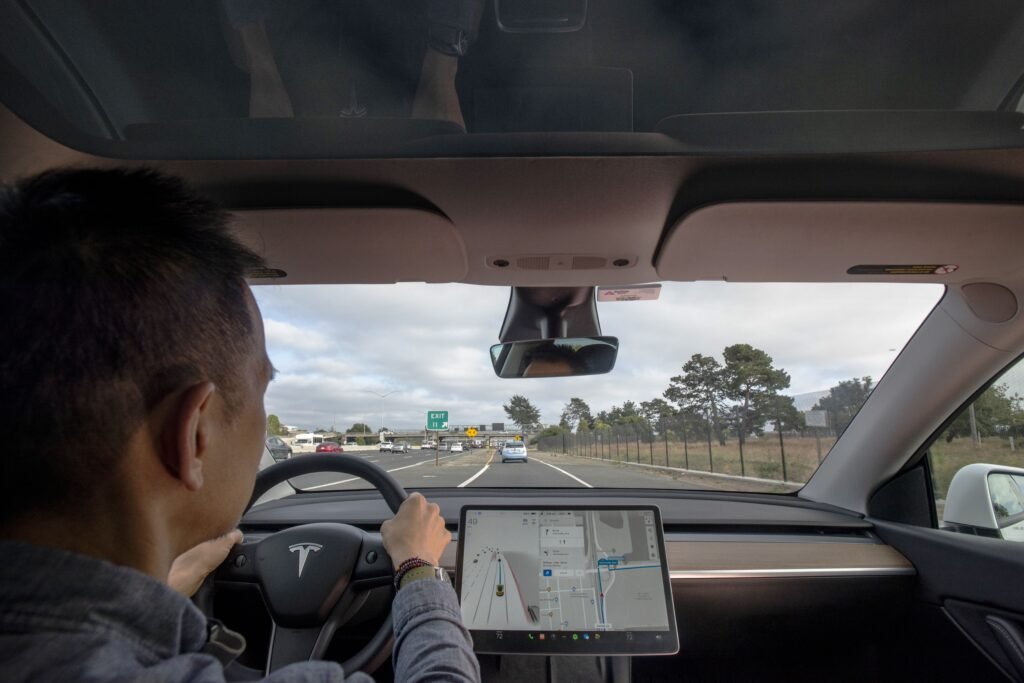
The Netherlands just became the first European country to give Tesla the green light for its Full Self-Driving (Supervised) system. After 18 months of rigorous testing, Dutch road authority RDW officially approved the autonomous driving technology, setting a potential precedent for EU-wide adoption. The move could reshape how self-driving tech rolls out across Europe’s strictly regulated automotive market.
Tesla just scored a major regulatory win in Europe. The Netherlands’ vehicle authority RDW has officially approved Full Self-Driving (Supervised) for use on Dutch roads, marking the first time any European country has authorized the controversial autonomous driving system.
The approval comes after more than a year and a half of testing and evaluation by Dutch regulators, who’ve been watching Tesla’s AI-powered system navigate everything from Amsterdam’s narrow canal streets to the country’s notoriously complex roundabouts. According to RDW’s statement, the regulators concluded that “using driver assistance systems correctly makes a positive contribution to road safety because the driver is supported in their driving task.”
It’s a calculated first move for Tesla. The company’s European headquarters has been based in Amsterdam since 2022, giving it a natural testing ground and regulatory relationship with Dutch authorities. But this isn’t just about convenience – the Netherlands often serves as a regulatory bellwether for the broader European Union, and Tesla knows it.
The timing couldn’t be better for Tesla CEO Elon Musk, who’s been vocal about Europe’s slower adoption of autonomous driving tech compared to the U.S. and China. While FSD has been available to American drivers since 2020 (with varying degrees of controversy and NHTSA scrutiny), European regulators have moved at a glacial pace, citing stricter safety standards and liability frameworks.
What makes this approval particularly significant is its potential domino effect. The EU’s type-approval system means that once a vehicle or system gets certified in one member state, it can theoretically be sold across all 27 countries – though individual nations can still impose additional restrictions. Tesla will likely use the Dutch approval as leverage to push for broader European authorization.
But there’s a catch. The RDW approval comes with the “Supervised” designation firmly attached, meaning drivers must remain alert and ready to take control at any moment. It’s Level 2 automation, not the fully autonomous robotaxi future Musk has long promised. Dutch drivers using FSD will still be legally responsible for their vehicle’s actions, a crucial distinction that keeps liability squarely on human shoulders.
The European market represents a massive opportunity for Tesla, which saw deliveries across the continent grow despite increased competition from local manufacturers like Volkswagen and BMW. FSD capability could give Tesla a competitive edge, especially as European buyers become more interested in advanced driver assistance features.
Industry watchers expect other EU countries to carefully monitor how FSD performs on Dutch roads before making their own approval decisions. Germany, with its powerful automotive lobby and Autobahn culture, will be particularly interesting to watch. France and Sweden, both of which have been testing autonomous vehicle corridors, could follow relatively quickly.
The approval also validates Tesla’s approach to autonomous driving, which relies on cameras and neural networks rather than the lidar systems favored by competitors like Waymo and Cruise. Tesla’s vision-only strategy has been controversial among safety advocates, but the Dutch approval suggests regulators believe the technology has matured sufficiently for supervised public road use.
What remains unclear is how quickly Tesla can scale FSD across Europe. The system will need to adapt to right-hand drive markets like the UK and Ireland, navigate different traffic laws and road signage across countries, and handle everything from Italian traffic chaos to Scandinavian winter conditions. Each market presents unique challenges that go beyond simple regulatory approval.
The Netherlands’ approval of Tesla FSD represents more than just a regulatory checkbox – it’s the opening salvo in what could become a broader European acceptance of AI-powered autonomous driving. For Tesla, it validates years of development and provides a crucial foothold in one of the world’s most regulated automotive markets. But the real test begins now, as Dutch drivers put the system through real-world conditions and other EU nations watch closely to see if the technology lives up to its safety promises. How FSD performs over the coming months will likely determine whether this becomes a European-wide rollout or remains a limited Dutch experiment.