
The Controversy Surrounding Grady Judd: A Sheriff in Question
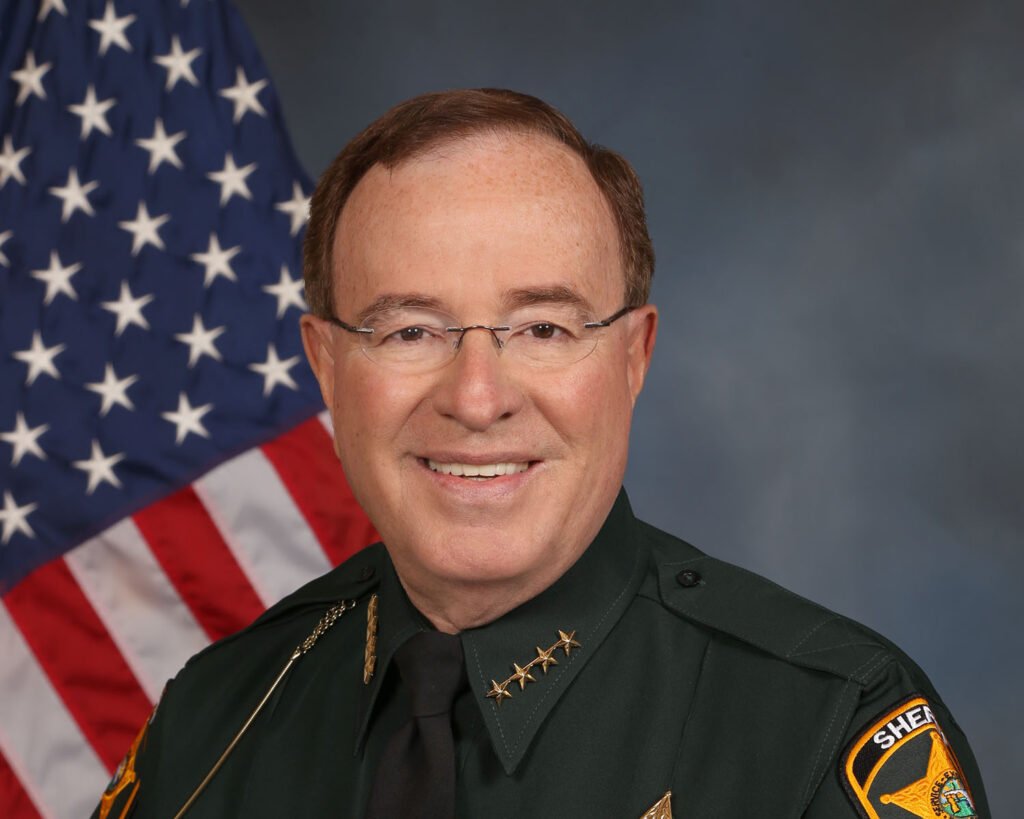
Introduction: Who is Grady Judd?
Grady Judd is a well-known figure within the American law enforcement community, often referred to as “America’s Sheriff.” Known for his straightforward demeanor and candid public appearances, Judd has established a distinctive public persona that resonates with many citizens across the nation. He is the sheriff of Polk County, Florida, and has served in this role since 2005, earning admiration and criticism alike for his approach to policing and community engagement.
Judd’s career in law enforcement spans several decades, having started as a deputy in 1972. Over the years, he has risen through the ranks, holding various positions within the Polk County Sheriff’s Office. His leadership has not gone unnoticed, as he has received multiple accolades for his service, including recognition for innovations in law enforcement strategies. He emphasizes transparency, often utilizing social media platforms to engage with the public and share details about local crime incidents, thus fostering a sense of community participation.
In addition to his law enforcement duties, Grady Judd has become a cultural icon of sorts, making appearances on national media outlets where he discusses crime and policing issues. This visibility has both elevated his status among supporters and drawn scrutiny from those who question his methods and statements. Controversies surrounding Grady Judd often focus on his candid, sometimes unfiltered remarks about criminal behavior and public safety, which can provoke a divisive response within the community. As we delve into the complexities of his career, it is essential to consider both the positive impacts he has made and the criticisms that have emerged throughout his tenure.
The Epstein Connection: Allegations and Revelations
Recent allegations have surfaced linking Grady Judd, the Sheriff of Polk County, Florida, to Jeffrey Epstein, the convicted sex offender whose criminal activities have drawn international scrutiny. Reports detail questionable interactions between Judd and Epstein, highlighting public appearances and social events that raise numerous ethical concerns regarding the nature of their association. These relationships have prompted a closer examination of Judd’s actions and decision-making within his law enforcement role.
According to disclosures from the Department of Justice, information relating to Grady Judd’s relationship with Epstein emerged during investigations into Epstein’s extensive network. The documents suggest that Judd may have had knowledge of some of Epstein’s questionable activities, which raises concerns about the impact this could have on the Sheriff’s reputation. If the allegations are proven to be accurate or even partially true, it could undermine public trust in Judd’s leadership, particularly in an office responsible for upholding law and order.
The implications for the community Judd oversees are significant, as residents expect their law enforcement leaders to maintain a standard of integrity and transparency. With the spotlight now on his connections, constituents are left questioning the morality and ethical standards that govern their sheriff’s office. All these allegations provoke discussions about accountability and the need for transparency in law enforcement relationships. Grady Judd’s previously unblemished record is now under a cloud of suspicion, compelling community members to re-evaluate their support for him amid growing concerns about his suitability for the role of sheriff.
Florida’s Stance on Child Crimes: Legal Context
Florida has taken a strong position regarding crimes against children, particularly child rape and molestation, in response to the growing public concern over the safety of minors. The state has enacted several stringent laws designed to deter these heinous acts, ensuring that perpetrators face severe consequences. One significant development was the recent confirmation that the death penalty can be imposed for certain child sexual offenses, reflecting Florida’s commitment to addressing this grave issue with the utmost seriousness.
The legal framework surrounding child crimes in Florida includes not only the imposition of harsh penalties, such as life imprisonment for repeat offenders, but also efforts to enhance the investigation and prosecution processes. Law enforcement agencies, including those led by figures like Grady Judd, the Polk County Sheriff, are actively involved in both prevention and enforcement initiatives aimed at reducing these crimes. Judd’s department is known for its aggressive stance on child predators, which has garnered support and attention from the public and media alike.
The implementation of the death penalty for specific child-related offenses has stirred a complex debate within Florida. Advocates argue that such measures are necessary to protect children and act as a deterrent. In contrast, opponents express concerns about the potential for wrongful convictions and the ethical implications surrounding capital punishment. Public perception of law enforcement is intricately linked to these legal decisions; when agencies like those headed by Grady Judd engage rigorously in combatting child crimes, it can enhance trust and support from the community.
Moreover, the gravity of child crimes in Florida feeds into broader discussions about law enforcement accountability. Citizens often look to law enforcement leaders to advocate for justice and safety for the most vulnerable. As Grady Judd continues to navigate the complexities of crime trends and legislative changes, he embodies the dual role of enforcer and community servant, significantly influencing public sentiment toward law enforcement practices and policies.
Community Response to the Allegations

In light of recent allegations against Grady Judd, reactions from the local community and leadership provide a nuanced perspective on the situation. Judd, well-known for his outspoken personality and longstanding tenure as Sheriff of Polk County, has historically enjoyed considerable support among residents. However, the recent developments have led to an array of responses, revealing a complex landscape of trust and disillusionment.
Local leaders have been particularly vocal, with some expressing their concern regarding the integrity of the sheriff’s department under Judd’s leadership. These leaders argue that the credibility of law enforcement is paramount for community safety and that any breach of trust could jeopardize the relationship between the sheriff’s office and the public. The community, shaken by the allegations, has raised questions about accountability and oversight within the department.
Furthermore, social media platforms have often served as a barometer for public sentiment. Many residents have taken to these platforms to voice their thoughts, ranging from staunch support for Grady Judd to calls for further investigation. Some community members recall his effective initiatives and past achievements, advocating for a closer examination of the allegations before passing judgment. Conversely, others express disappointment, emphasizing that all individuals in positions of power must be held to the highest standards of conduct.
The mixed reactions highlight the fragility of public trust in leadership. It becomes evident that the implications of the allegations could extend well beyond Grady Judd himself, potentially affecting the broader perception of the sheriff’s office. As the community grapples with these issues, it will be crucial for local leaders to address concerns transparently and reaffirm their commitment to justice and accountability within the police force.
Legal Ramifications: Can Grady Judd Remain in Office?
The legal ramifications associated with the allegations against Grady Judd, the sheriff of Polk County, Florida, raise pressing questions about his ability to continue serving in his position. Judd has garnered significant public attention through his outspoken nature and charismatic persona, but recent scrutiny stemming from a Department of Justice (DOJ) investigation introduces complexities surrounding his tenure.
Should the DOJ’s findings substantiate the allegations against him, Grady Judd may face serious consequences. Potential outcomes could include legal repercussions, which might prompt calls for his resignation. The process of determining whether a sheriff can remain in office amidst such allegations depends significantly on the legal framework within which he operates. In Florida, a sheriff can be removed from office for malfeasance, misfeasance, or neglect of duty, and these elements could come into play if the investigation yields incriminating evidence.
Additionally, the shift in public sentiment surrounding law enforcement and accountability will likely influence his future. If substantive allegations are proven, it may engender a significant loss of trust among the community, thus complicating his position even further. Legal precedents and past cases involving similar situations may also offer insight into the potential pathways ahead for Grady Judd. Public opinion, especially in light of social movements advocating for ethical governance, will serve as a barometer of Judd’s standing.
Ultimately, while Grady Judd’s current position is not immediately threatened by the investigation, the outcomes of the DOJ’s findings could lead to significant changes—either through resignation or removal—if the evidence warrants such actions. The coming months will be crucial for both Judd and the Polk County Sherriff’s Office as they navigate this turbulent chapter.
The Effects on Law Enforcement Integrity
The integrity of law enforcement agencies is crucial for maintaining public trust, ensuring effective policing, and fostering community safety. When controversies arise surrounding prominent figures, such as Grady Judd, the implications can reverberate beyond individual accountability to affect the larger institution. The fallout from such controversies can lead to widespread skepticism regarding the motives and actions of law enforcement personnel.
A significant impact of these incidents is the potential erosion of public trust. Trust is foundational in the relationship between law enforcement and the communities they serve; it is diminished when citizens perceive a lack of transparency or ethical conduct among their representatives. When allegations or unethical behavior come to light, even if subsequently disproved, the initial reactions often result in a lingering doubt. This skepticism can deter community cooperation with law enforcement efforts, hampering initiatives aimed at crime prevention and community outreach.
Moreover, the perception of compromised integrity can lead to decreased morale among law enforcement officers. Officers may feel disheartened by the negative spotlight cast on policing, particularly if they believe that the actions of a few have resulted in a generalized distrust toward all. This decline in morale can diminish performance levels and result in officers becoming disengaged from their duties. Consequently, this disengagement can negatively affect community safety, as the capacity for proactive policing diminishes.
In summary, the controversy surrounding figures like Grady Judd highlights critical challenges faced by law enforcement agencies. The integrity of these institutions is intricately linked to public trust, and any breach can have substantial repercussions on their effectiveness and reputation. Maintaining transparency and accountability is essential to ensuring that investigative and policing efforts are supported and respected by the communities they serve.
Calls for Accountability and Reform
The role of law enforcement in community safety is indispensable, yet the dynamics within police departments often generate concerns regarding accountability and oversight. In recent years, community members and advocacy groups have increasingly called for significant reforms within the Polk County Sheriff’s Office, led by Sheriff Grady Judd. These calls are rooted in a desire for greater transparency and a commitment to fostering trust between law enforcement and the communities it serves.
One of the primary areas of concern involves officers’ conduct and the procedures for addressing alleged misconduct. Advocates argue that a clear and accessible mechanism for filing complaints against officers is essential in building public confidence. The introduction of regular transparency reports detailing investigations, disciplinary actions, and community interactions could effectively address some of these issues.
Furthermore, reform advocates suggest implementing mandatory training that emphasizes de-escalation techniques and community-oriented policing strategies. Programs designed to prepare officers for interactions with diverse community populations can reduce misunderstandings and promote respectful engagements. Additionally, enhancing recruitment processes to prioritize candidates with strong ethical backgrounds and community engagement experience may further mend the trust deficit.
The concept of an independent review board, composed of community members and experts, is another critical proposal. This board would oversee investigations related to police actions, providing unbiased evaluations that would help to improve accountability within the department. Advocacy groups assert that such measures would significantly contribute to restoring public confidence in law enforcement.
The path towards ensuring accountability in the Sheriff’s Office—particularly under the leadership of Grady Judd—requires a concerted effort from both the department and the community. As discussions continue, it is clear that change is necessary to reaffirm the foundational principles of justice and equity in policing.
Comparative Case Studies of Law Enforcement Figures in Controversy
The scrutiny faced by Grady Judd is not unique in the realm of law enforcement; numerous officials have encountered similar challenges, providing critical contexts for comparison. One notable case is that of former Chicago Police Superintendent Eddie Johnson, who was dismissed after being involved in a series of controversies concerning transparency and misconduct. Much like Judd, Johnson faced public criticism over his management style and responses to community concerns, ultimately leading to a loss of public trust. This incident highlighted the need for accountability, particularly in positions that wield significant influence over community trust and safety.
Another example is former San Francisco Police Chief Greg Suhr, who resigned amid a scandal involving police misconduct and the proliferation of racially insensitive text messages among his officers. Suhr’s case mirrors some aspects of the Grady Judd discussion; both leaders have maintained strong public personas, yet their careers faced intense scrutiny due to actions that raised ethical questions. The key takeaway from Suhr’s situation stresses the vital role of effective communication and community engagement in maintaining public confidence in law enforcement.
Furthermore, former Baltimore Police Commissioner Kevin Davis was dismissed after the city experienced escalated tensions following several high-profile incidents involving police conduct. While Grady Judd has been noted for his straightforward media interaction, Davis’s case highlights how shifting public sentiment can create challenges for leadership. These cases collectively underscore the impact of both policy and individual actions on public perception; they reveal that, like Grady Judd, these officials had to navigate the complexities of modern law enforcement amid growing demands for transparency and accountability. Lessons learned emphasize the significance of proactive engagement with the community, where trust is essential for cohesive policing and accountability remains a paramount concern.
Conclusion: The Future of Grady Judd and Community Trust
The tenure of Sheriff Grady Judd has been marked by both commendations and controversies that have shaped public perception of his leadership. Throughout this article, we have examined incidents that have sparked debates around police conduct and accountability, the public’s response to these events, and the broader implications for law enforcement in the community. As Grady Judd continues to serve as the sheriff, the relationship between him and the residents of his jurisdiction remains critically important.
Looking ahead, it is essential for Sheriff Judd and his office to actively engage with the community to rebuild trust. This can be achieved through transparency in operations and decisions, ensuring that community voices are heard and considered in law enforcement practices. By facilitating open dialogues, the aim should be to address concerns and misconceptions that may have arisen due to past events surrounding his leadership.
Moreover, establishing accountability measures within the sheriff’s office will be vital not only for restoring public confidence but also for setting a precedent that upholds ethical standards in policing. Implementing training programs that focus on de-escalation techniques, bias awareness, and community relations can enhance the effectiveness of law enforcement while reducing potential conflicts.
The future of Grady Judd as sheriff will ultimately depend on his willingness to acknowledge past missteps and take active steps to implement necessary changes. A shift towards community-focused policing may foster a stronger bond with the public, alleviating fears and concerns about accountability and transparency. Stakeholders, including community leaders and residents, must also play a significant role in supporting these efforts by contributing to discussions on how to create a better relationship with law enforcement.
In conclusion, the path forward will require collective efforts from both Sheriff Judd and the community he serves, with a shared goal of restoring trust and enhancing the integrity of local law enforcement.