


Understanding Racism: A Deep-Rooted Issue
Racism is often defined as a belief or doctrine that inherent differences among the various human racial groups determine cultural or individual achievement, which leads to the notion that one race is superior to another. This belief system is not merely a surface-level issue; it is deeply embedded in the historical and socio-economic structures of societies. Understanding racism requires a thorough examination of its historical evolution and the psychological implications it holds for individuals and communities.
The origins of racist ideologies can be traced back to various historical events, including colonialism, slavery, and social hierarchies established during sociopolitical upheavals. These ideologies are perpetuated across generations, creating a cycle that continuously fosters discriminatory beliefs and practices. In children, exposure to racist attitudes can lead to internalized racism, where they adopt negative perceptions about their own race, which subsequently affects their self-esteem and mental health.
The psychological impact of racism is profound. Studies have continually shown that individuals who experience racism are more likely to suffer from conditions such as anxiety and depression, which significantly affects their quality of life. Communities plagued by systemic racism face higher rates of stress-related health issues, social fragmentation, and intergenerational trauma. Racism manifests not only as overt prejudices but also through subtle microaggressions that contribute to a hostile and oppressive environment.
Furthermore, the mental toll of racism can lead to harmful behaviors, replicating the cycle of violence and discrimination. This indicates that addressing racism is imperative not only for social harmony but also as a means of promoting mental well-being among affected populations. Recognizing the complexity of racism and its ingrained nature is essential as societies strive to create inclusive environments that support all individuals, regardless of their racial or ethnic background.
Pedophilia is often characterized as a deeply troubling psychological condition that elicits immediate revulsion and condemnation from society. It involves an adult’s sexual attraction to prepubescent children, and the acts associated with it are deemed one of the most heinous crimes. However, viewing pedophilia strictly through a criminal lens can obscure the intricate psychological factors underlying it. Understanding this issue requires a nuanced approach that distinguishes between those who act on their impulses and those who do not.
Research indicates that pedophilic thoughts might surface in various populations, encompassing a spectrum of individuals who experience these inclinations to varying degrees. While the exact prevalence of such thoughts is challenging to measure due to societal stigma, certain studies suggest that a segment of the male population harbors such inclinations, even if they never act upon them. This reality underscores the importance of understanding pedophilia—not merely as a criminal act—but as a psychological condition that merits study and intervention.
Society’s reluctance to address pedophilia candidly can hinder preventive efforts. Often, those who experience disturbing thoughts may feel too ashamed to seek help, leading to a potential escalation into criminal behavior. Therefore, access to mental health resources and educative programs is essential. Fostering an environment where individuals can discuss their thoughts without fear of judgment is crucial for prevention. Community awareness programs can promote identification and help for individuals at risk, while respecting the rights and dignity of all individuals involved.
In conclusion, addressing pedophilia requires a balanced understanding—one that evaluates it as a psychological phenomenon and emphasizes preventative strategies. Through compassionate discourse and proactive measures, society can better safeguard children and support individuals struggling with these disturbing inclinations.
Connecting the Dots: How Racism Can Feed Into Criminal Behavior
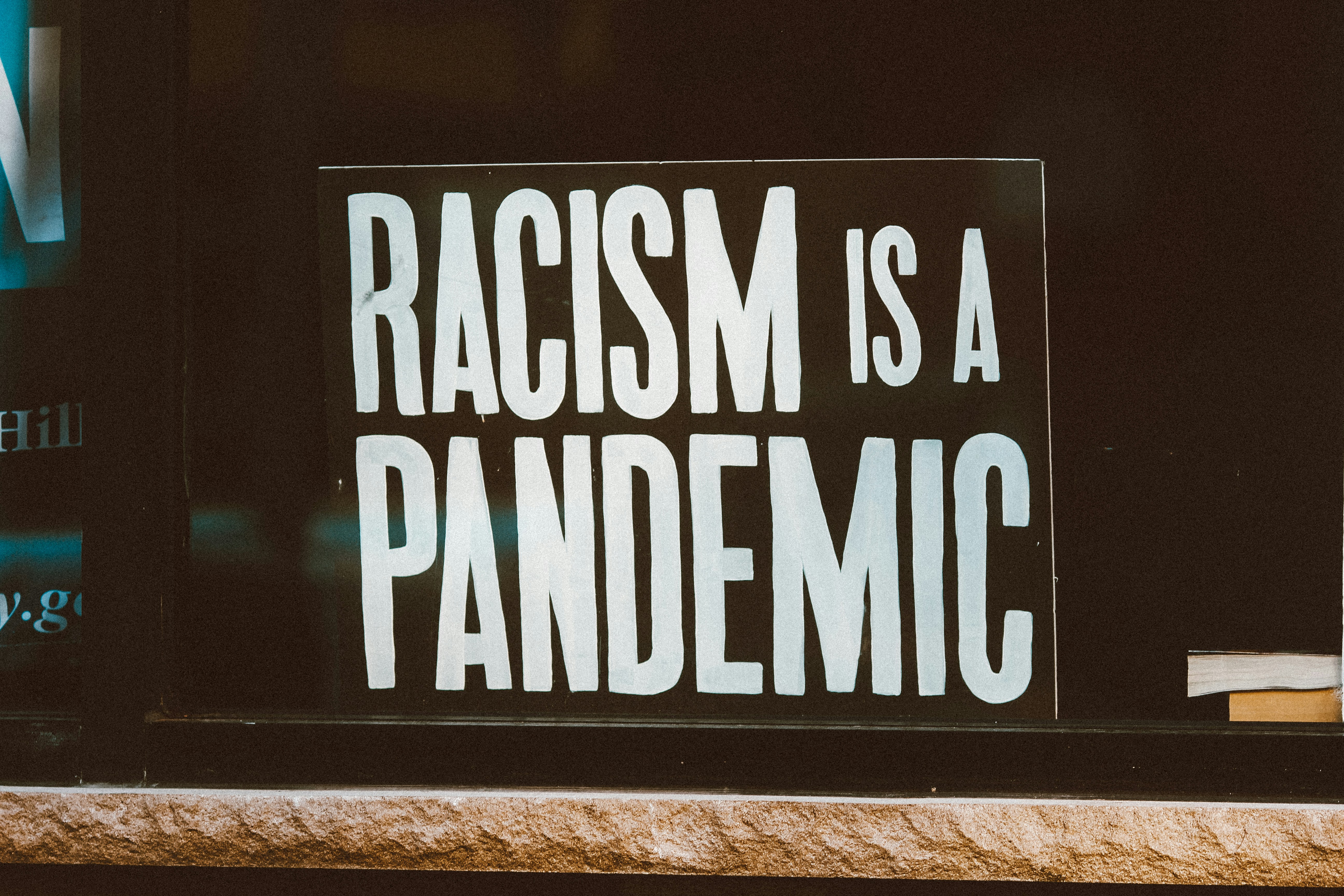
Racism and deviant behaviors, such as pedophilia, may appear to be distinct issues; however, research suggests that they can be interconnected through psychological and sociological frameworks. Individuals who harbor racist beliefs often exhibit a compromised moral compass, which can predispose them to engaging in other forms of criminal behavior. This correlation is particularly alarming when observing the prevalence of pedophilia within certain socially marginalized groups, where underlying racial tensions may exacerbate predatory behaviors.
Statistical analysis highlights significant patterns that demonstrate an intersection between racism and various forms of sexual deviance. Studies have shown that individuals exposed to overt racist attitudes during their formative years may develop maladaptive coping mechanisms that manifest in harmful behaviors, including pedophilia. The belief structure that dehumanizes others, particularly marginalized communities, creates a psychological environment conducive to justifying such actions. It removes societal checks and balances that would otherwise discourage predatory behavior.
Moreover, societal factors play a crucial role in perpetuating this cycle. For instance, environments rife with systemic racism can lead to heightened social disenfranchisement, further increasing the likelihood of individuals resorting to deviant coping strategies. These stratified communities may normalize despicable behaviors, including the exploitation of vulnerable populations for personal gratification. The resultant impunity can embolden individuals entrenched in racist ideologies to act out on their harmful impulses without fear of retribution.
In essence, without addressing the intertwining issues of racism and criminal behavior, particularly in the context of pedophilia, societal progress remains hindered. Comprehensive educational and preventive programs must target both racism and its associated criminal manifestations to mitigate the prevalence of such heinous acts. Addressing these interconnected issues is critical for fostering a healthier society.
Breaking the Cycle: Solutions and Preventive Strategies
Addressing the intertwined issues of racism and its disturbing connections to pedophilia requires concerted efforts at both community and individual levels. Combating racism involves a multifaceted approach that prioritizes education, awareness, and open dialogue. Communities must engage in constructive conversations that challenge prejudiced beliefs and promote inclusivity. Awareness campaigns can also shed light on the detrimental consequences of racism, potentially stemming the tide of these harmful ideologies.
Education plays a pivotal role in breaking the cycle of oppression and fear. Implementing school curricula that promote multicultural understanding and empathy fosters a generation capable of recognizing and dismantling racist thoughts and behaviors. Furthermore, teaching children about consent and the actual consequences of predatory behaviors is fundamental in preventing future crimes related to pedophilia, thus safeguarding communities.
Additionally, intervention programs are essential in addressing not only overt acts of racism but also the insidious ways it manifests in society. Community workshops and support groups can provide platforms for individuals to discuss their experiences with racism while equipping them with strategies to confront these issues positively. Such initiatives are crucial for creating a united front against racism and its associated dangers.
Moreover, collaboration with law enforcement can enhance community trust and ensure that those who perpetuate hate crimes are held accountable. It is equally important to create safe spaces for dialogue, where individuals can express their concerns about racism and its implications without fear of retribution. By fostering a culture of understanding and respect, we can work towards dismantling the societal curses of racism and related criminal behaviors.