
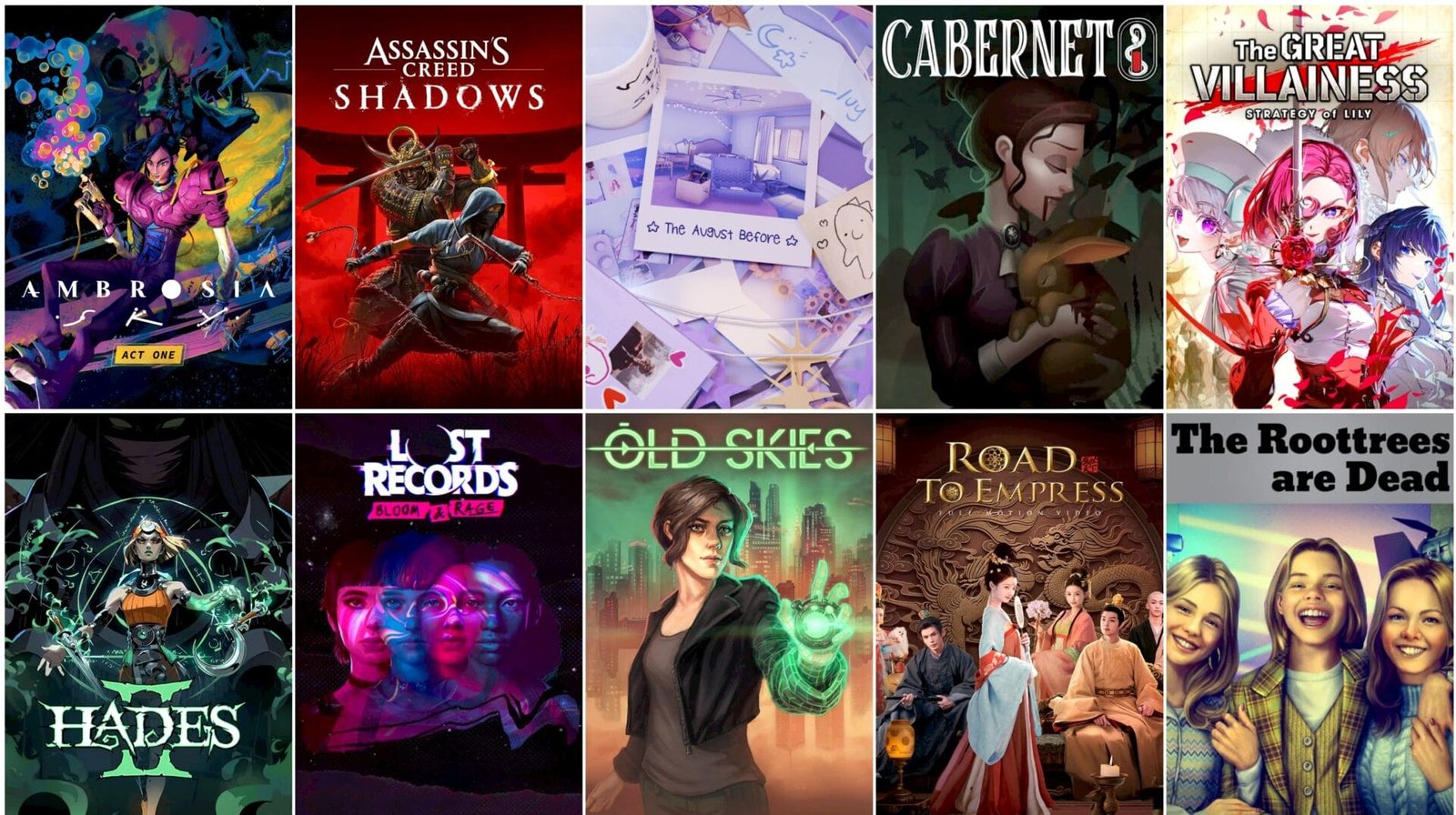
In 2025, the video game industry saw a noticeable decline in LGBTQ representation, most sharply seen in the scarcity of transgender and nonbinary stories. In a climate that has become increasingly hostile towards LGBTQ people, these ten nominees for Outstanding Video Game stand out for the excellence of their LGBTQ storytelling, and for the conviction it took to tell them at all. These titles committed to inclusive, affirming narratives, and each nominee represents developers who chose visibility and integrity over appeasement. In a year that can be defined as much by what was missing as by what creators managed to preserve, these games affirm just how powerful LGBTQ representation can be and why it is worth defending.
We are excited to share the ten nominees for this year:
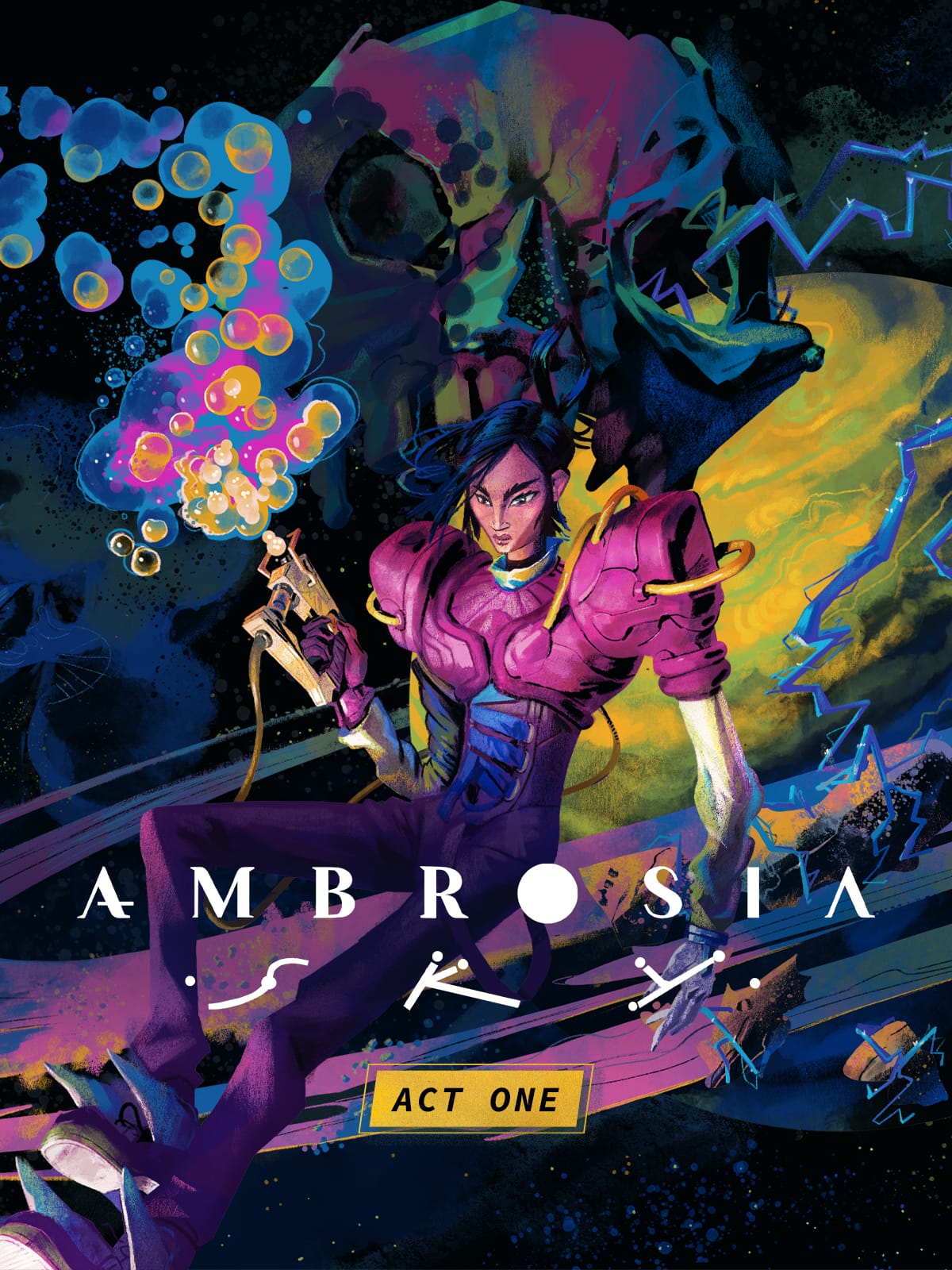
Ambrosia Sky: Act One
Published by Soft Rains
Developed by Soft Rains
Ambrosia Sky: Act One is a game that understands the intimacy of death and apocalypse. That is, after all, where deep space disaster specialist Dalia feels most at home. On her most recent mission, however, “home” turns into her workplace as she is sent to investigate the colony where she grew up, now devastated by a mysterious fungal disease. It soon becomes clear that this pinpoint apocalypse is merely the backdrop for the real story – one of lesbian yearning and heartache. Dalia’s survivor’s guilt is amplified by the knowledge that her ex-girlfriend Maeve lives in the colony where the outbreak took place, her whereabouts unknown. As she searches through the remnants of the ruined colony, Dalia grapples with the prospect of not finding Maeve in time to save her, while also reckoning with the fact that, fifteen years ago, she left Maeve at the colony without so much as a goodbye. This poignant sapphic tale unfolds amidst the game’s gorgeous jewel-toned environments, sleek level design, and meditative gameplay cleansing the colony of its infestation. With an opening act this strong, we can’t wait to see where Ambrosia Sky takes Dalia and Maeve’s story next.
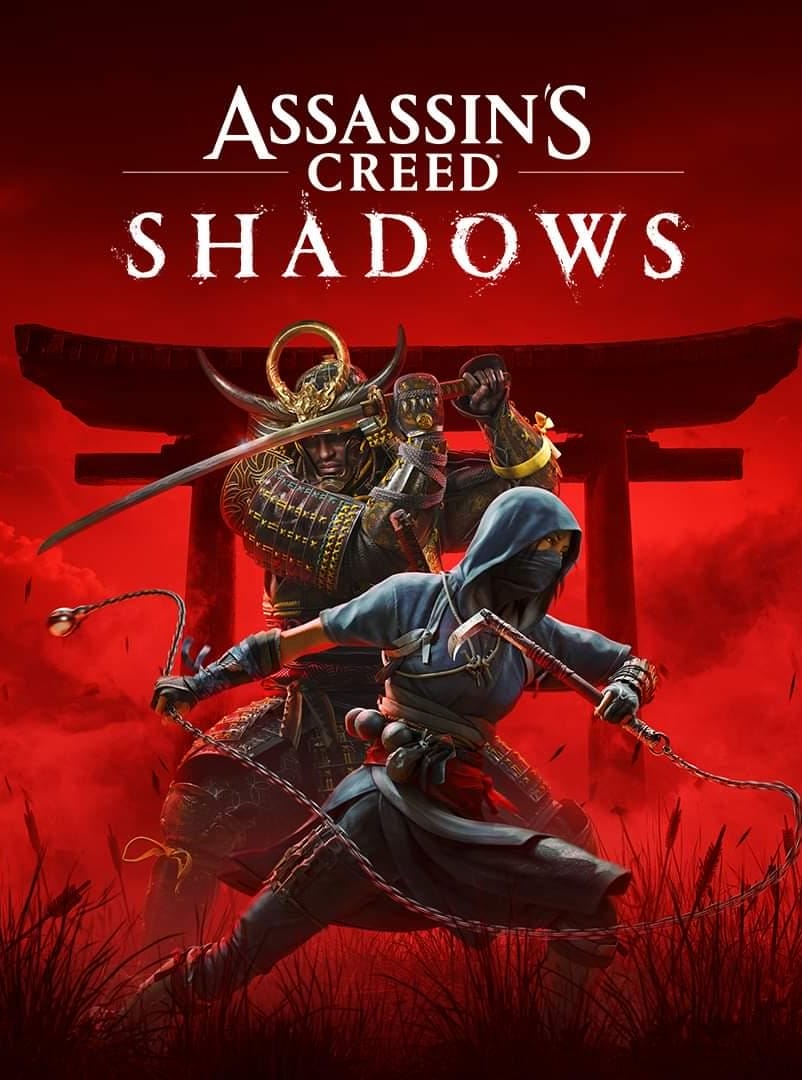
Assassin’s Creed Shadows
Published by Ubisoft
Developed by Ubisoft
Fans of the Assassin’s Creed series have long anticipated an entry set in feudal Japan, and the release of Assassin’s Creed Shadows in 2025 proved to be worth the wait. Its intentionality about whose stories get their time in the spotlight feels like its boldest step forward. In this installment, players can play as Naoe, a female ninja, or Yasuke, an African-born samurai based on a true historical figure. Equally exciting is that the game allows Naoe and Yasuke to pursue queer romances. While this isn’t new for the franchise, it feels especially meaningful this time around. In the lead up to the release of Shadows, the game faced a fierce and venomous campaign of opposition to its representation of diverse and marginalized characters. But rather than giving in to the ideologically-motivated calls for censorship, Shadows leaned in, maintaining the heartfelt queer romances and even introducing the series’ first nonbinary character in Ibuki. Even beyond the representation, Shadows is simply a great game to play, with the best combat the series has ever seen, a convincing story, and a breathtaking weather system that shines with a mirror polish. If Ubisoft and other major studios find one lesson in Shadows, we hope it is that success is achieved not by appeasing your detractors but by boldly refusing to compromise on a vision and letting your work speak for itself.
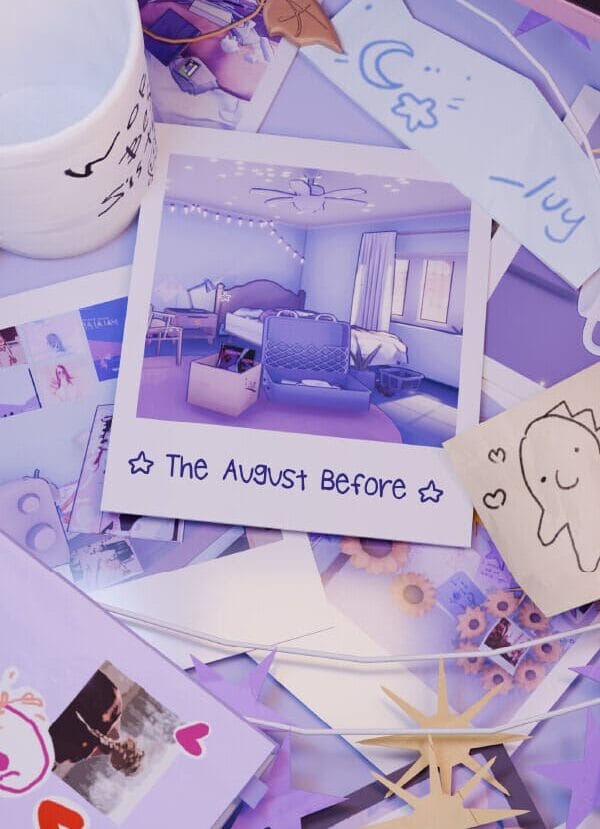
The August Before
Published by Catoptric Games
Developed by Silly Little Games
The August Before is a tender post-mortem of queer adolescence. There is no dialogue, cinematic, or set piece moment where the main characters August, Beth, and Ivy have some cathartic confrontation about why their paths diverged. Instead, players are left to quietly sort through the girls’ possessions in their respective rooms in a lonely act of reflection. Unraveling what happened between them occurs in beautifully restrained, nonlinear fragments. August sifts through doting messages and affectionate photographs from when she and Ivy were dating. Ivy collects August’s belongings to return to her, while also cleaning up the mess she’s created in her post-breakup depression. In a letter too intimate to be platonic, Beth writes to August “I will find you in every universe. And in some of them ‘us’ will never end.” The game’s minimalist gameplay provides little distraction from the aching absence of the relationships once central to each girl’s life. But The August Before is so much more than a story about the importance of letting go. It’s about recognizing that people may come and go in our lives, but the imprints they leave on us remain forever. This is especially true for queer teens, whose social rites-of-passage often collide with a homophobic society, and thus, the bonds forged during those formative times can become core to who they are. And yet, people change and move on – and that’s okay. August may not be the same girl she was before, but that doesn’t take anything away from the profound impact Beth and Ivy had on her life in a time when she needed them most.
Cabernet
Published by Akupara Games
Developed by Party for Introverts
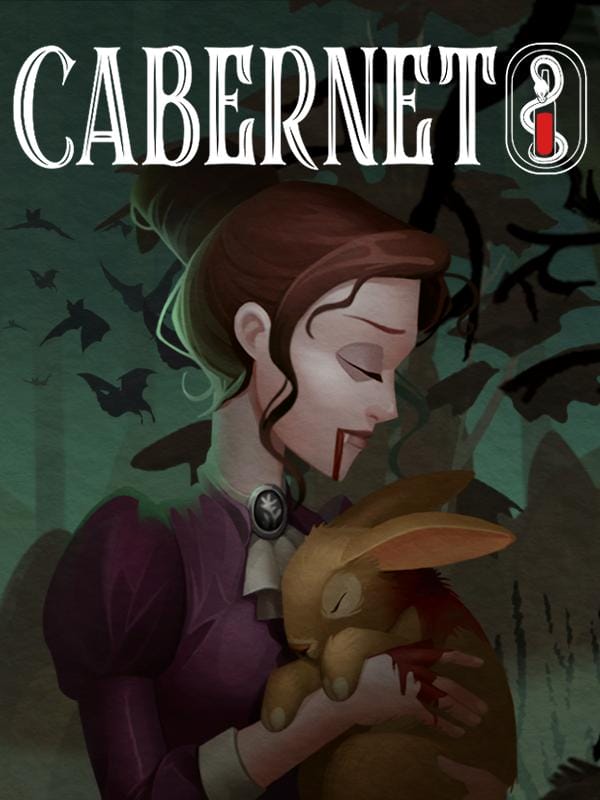
Elizaveta Morozova dies. And then, against all laws of nature, she wakes back up. Cabernet doesn’t obscure that its entire premise revolves around Liza’s awakening into vampirism, but it also doesn’t readily reveal just how deep its story goes. Cabernet poses difficult choices that pit humanity against nihilism, and every action alters how Liza’s peers see her. In the high society she’s found herself in, relationships are everything. Romance is certainly a component in many of those relationships, and though Liza has a few possible suitors of different genders, fellow vampire Alisa is a clear standout. She’s mysterious, impulsive, and aloof, but it is her dream of seeing the sunrise that makes her more human than most. And yes, with the right choices, a happily ever after is possible. Between Liza being able to romance a woman and the inclusion of the Hussar, a gay man who Liza can befriend and assist, Cabernet does away with the trappings of tired mistreatment that have often soured depictions of women and LGBTQ people, especially in historical settings. Instead, it is proof that games can be far more interesting when they let players live, love, and endure on their own terms.
The Great Villainess: Strategy of Lily
Published by Alliance Arts
Developed by One or Eight
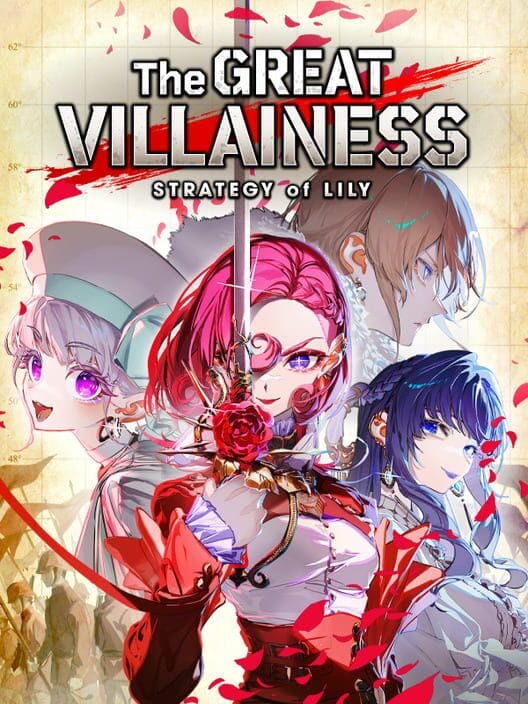
The Great Villainess: Strategy of Lily is an ode to women’s rights and, equally importantly, women’s wrongs. Scarlet, a tyrannical warlord, is dead set on conquering the Empire to rule it in her image and is willing to do whatever it takes to get there. At her side is Lily, a livestreamer-turned-military strategist that aids in Scarlet’s tactical invasions. The majority of gameplay in The Great Villainess may center on conquering military fortresses and controlling supply lines, but every moment between each battle is a reminder of why Scarlet fights – for glory and for exoneration after being framed for a crime she didn’t commit, she claims at first. But eventually she realizes that she’s actually fighting for a world where she and Lily can love each other and be together. The Great Villainess explores the lengths someone would go to live loudly and love truthfully. When players pursue the game’s “true ending,” it is an unmatched joy to watch Scarlet grow into a fearless leader who fights for the freedom she and everyone else deserves. Those who enjoy turn-based tactical gameplay will find their skills pushed to the limit in Great Villainess, but getting to be gay and do crime for a greater good provides a level of motivation like nothing before
Hades II
Published by Supergiant Games
Developed by Supergiant Games
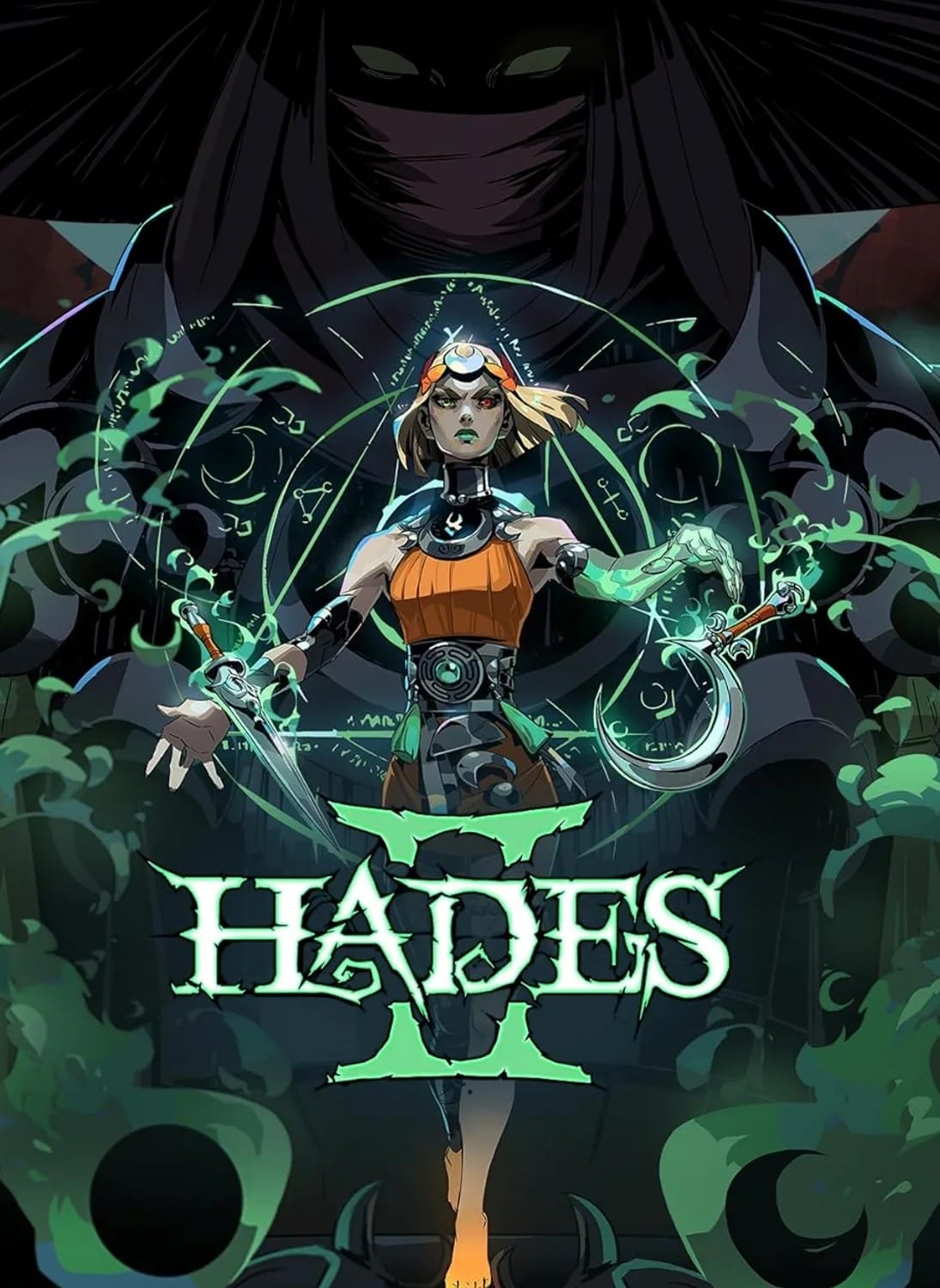
Hades II is a confident sequel that iterates on every aspect that made the original roguelite an instant classic, including another bisexual protagonist in Melinoë, Princess of the Underworld. Despite every insistence that Melinoë is simply on a revenge quest against Chronos for imprisoning her family, Hades II is not just about killing Time. Instead, it is a story about people who are more than just the sum of their anger, trauma, and failures, and nowhere is this more present than in Melinoë’s relationships with the people around her. Falling for the hot-blooded Nemesis and chaotic Eris is easier than understanding them, but kindling their romances means loving them because of their flaws, not just in spite of them – an empathy that Melinoë extends easily to others but less readily to herself. She is saddled with a task too great for one person to carry, and yet she shoulders it anyway. Video games could always use more stories about women who love women, but ones where women learn how to love and have grace for themselves are even more rare. Refreshingly, Hades II combines both of those into a feel-good package that feels even greater to play.

Lost Records: Bloom and Rage
Published by DON’T NOD
Developed by DON’T NOD
For aspiring videographer Swann Holloway, the summer of 1995 holds memories of friendships she thought she’d never forget. And yet, 27 years later, she finds that she’s done just that. Lost Records: Bloom and Rage is more than an ode to 90’s music, fashion, and aesthetics – it’s a snapshot of how a group of teenage outcasts navigate grief and budding queerness in one of the most convincing stories of girlhood ever told. Lost Records leans into queer longing with scenes that indulge in the intimacy of a shared cigarette and getting makeup done by a friend. It’s a setup that could easily fall prey to decades-long media tropes that prevent the romantic tension from spilling over into explicit queerness. Instead, the game lets Swann pursue unambiguously romantic relationships with all three girls in her friend group. Lost Records never idealizes what it’s like to be queer in a small town, but it honors the intensity and sincerity of first loves and losses, demanding Swann and the players to sit with the memories that come with both. To the sad girls, the queer girls, the angry girls, and the girls who never quite fit in – this one’s for you.
Old Skies
Published by Wadjet Eye Games
Developed by Wadjet Eye Games
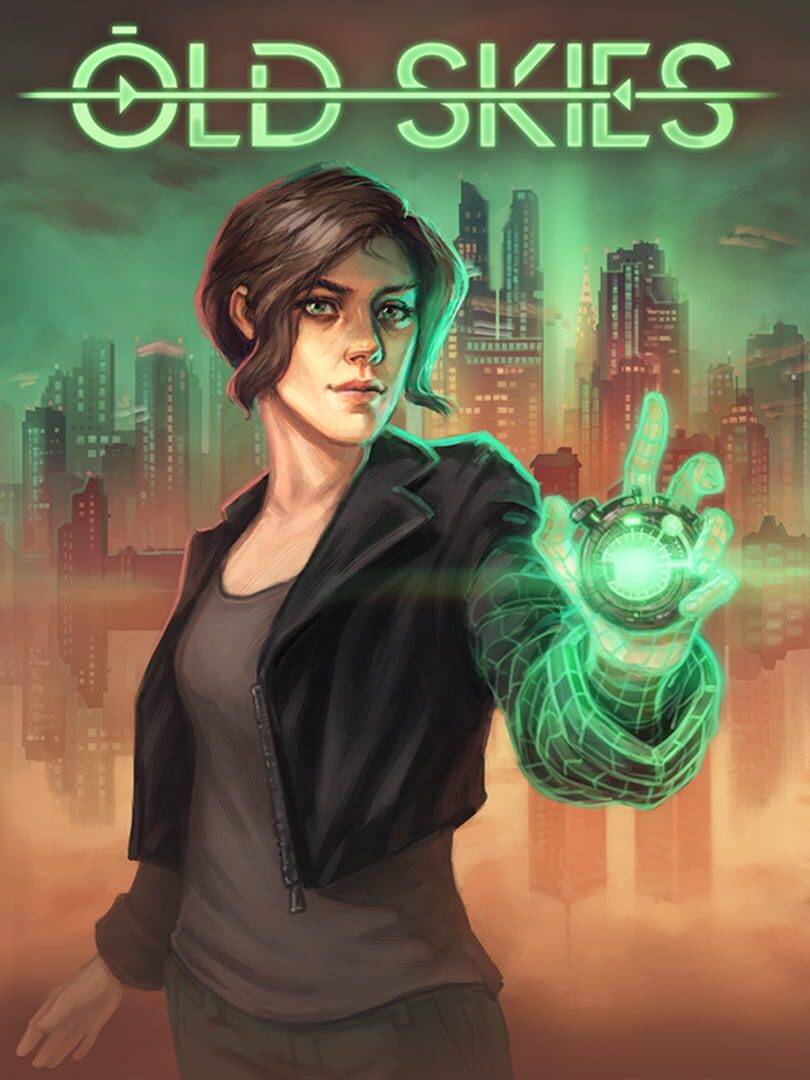
For the time-traveling ChronoZen agents in the point-and-click adventure game Old Skies, finding love usually isn’t an option. Agent Fia Quinn knows this well. Though she does her best to remain steeled against the constant temporal shifts, the world around her is constantly being rewritten, rendering most places and people fleeting. At least one constant in Fia’s modern day life in 2062 is that queerness is ubiquitous. Two men chat on a bench at work, one of whom is clearly taken with the other, and Fia frequents a bar with a nonbinary bartender cheekily named Mx. Mix. However, it is Fia’s own unexpected romance with another woman that ends up being the heart of Old Skies. Fia Quinn should know better, and yet she’s suddenly consumed with the possibility that even she could fall in love. It’s difficult to not make allegorical connections to the risks some queer people take to be with the ones they love, and it is Fia’s courage to take a chance that makes her love – and all the things she’s willing to do for it – all the more meaningful. Old Skies manages to take an “old” genre and make it feel new again. The story it tells may be a slow burn, but it shines just as bright.
Road to Empress
Published by New One Studio
Developed by New One Studio
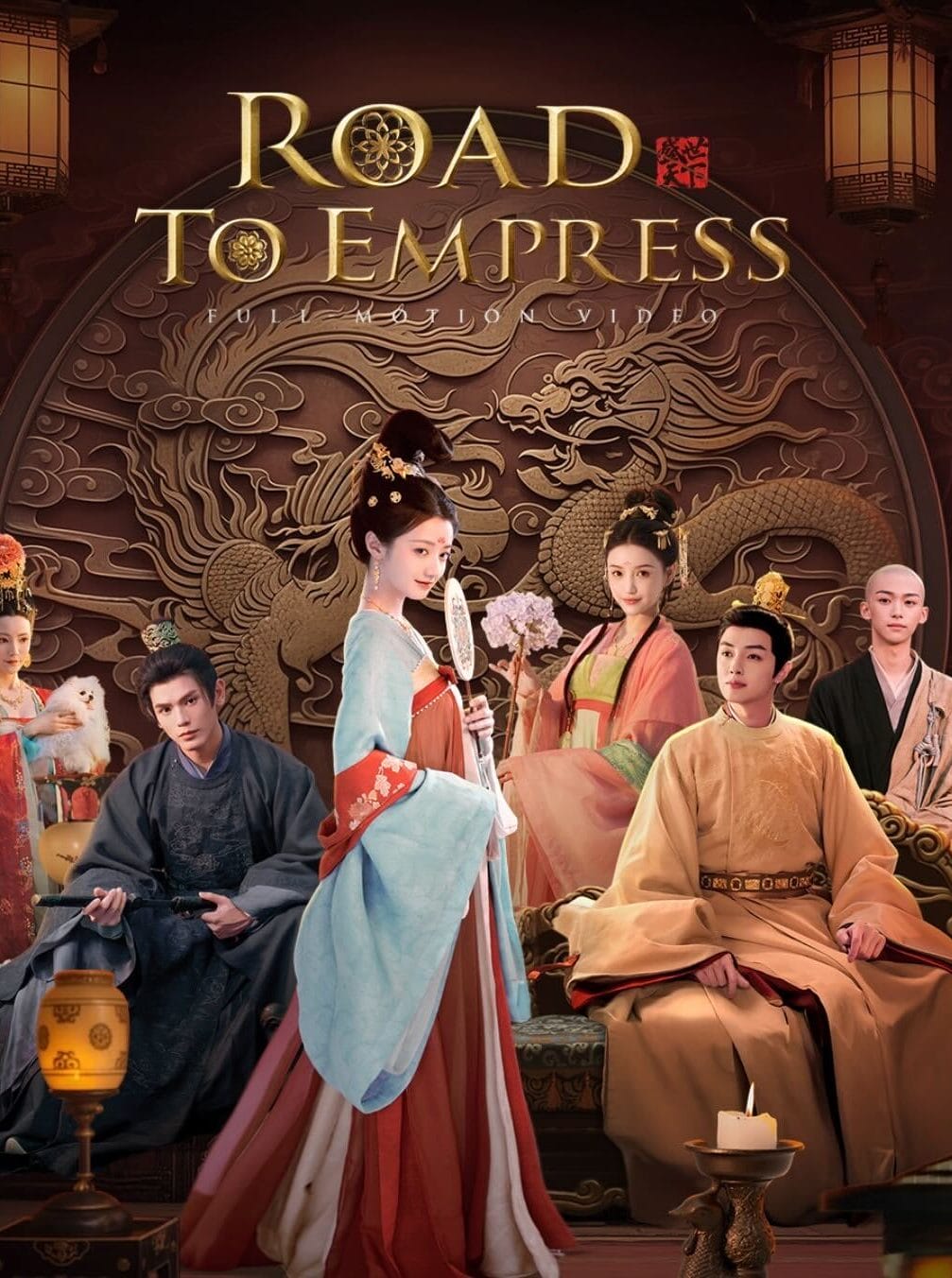
Road to Empress wasn’t expected to be one of 2025’s breakout gaming hits, and if it had chosen to play safe with its storytelling, it might never have been. This full-motion video adventure is a dramatized and often hilarious retelling of how Wu Yuanzhou rose to power to become China’s first and only woman emperor, but don’t let the memes of poison soup fool you. Road to Empress has just as much substance as it does style, and it isn’t lost on us that for a game made in China where LGBTQ content is routinely censored, Road to Empress is remarkably bold in its inclusion of queer characters. Much like the history that inspired it, the story of Li Chengqian and Chen Xin in the game is admittedly heartbreaking. And yet, despite every historical uncertainty about Chen Xin’s gender and the morality of their relationship, Road to Empress refuses to make their story anything less than two men with complicated loyalties who ultimately yearned for a love greater than they were allowed to have. Along with the option to get a non-standard ending where protagonist Wu Yuanzhou ends up in a relationship with another woman, Road to Empress recognizes queerness as an inherent part of its world that society at the time simply didn’t understand. Retelling stories with empathy is a skill that Road to Empress does not reserve only for history’s victors, and we hope this is a lesson to all studios that even queer histories with somber endings should still be told with kindness.
The Roottrees Are Dead
Published by Evil Trout Inc.
Developed by Evil Trout Inc.
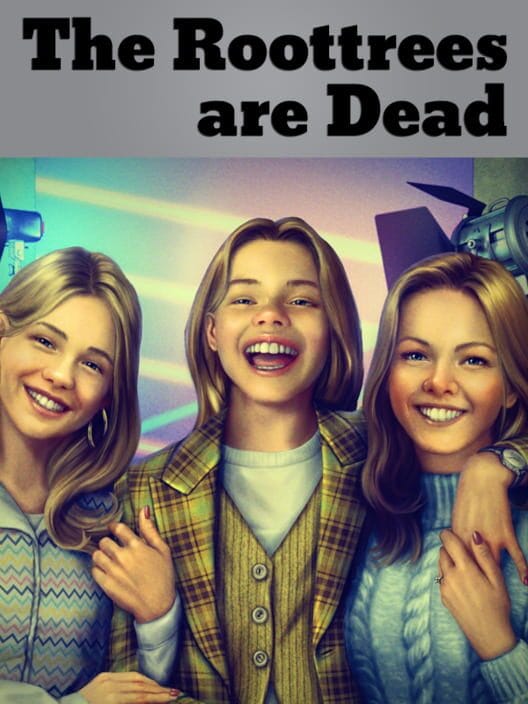
It’s impossible to speak about specific revelations made in The Roottrees Are Dead without spoiling how satisfying it is to uncover these mysteries firsthand. However, The Roottrees are Dead is more than a simple puzzle game about investigating who is eligible for the Roottree family inheritance. Digging through archives, photographs, and web pages is a delightfully rewarding process that sheds light onto the lavish and messy lives of the Roottree empire, but many of the game’s more poignant reveals will undoubtedly hit home for many LGBTQ players. Queer people have always existed, and The Roottrees Are Dead is a reminder that their frequent absence in history is a result of erasure by those who lacked the love to accept and acknowledge them. Unexpectedly, it also grapples with the differences between how queer men and queer women are treated and recognized, even within the same family. Best of all, unearthing each truth feels like an act of belated justice and heartfelt remembrance. The Roottrees Are Dead elevates puzzle game storytelling to a new level by refusing to let difficult queer stories of the past be forgotten.
The 37th Annual GLAAD Media Awards nominees were published, released, or broadcast between January 1 and December 31, 2025. The GLAAD Media Awards ceremonies, which fund GLAAD’s work to accelerate LGBTQ acceptance, will take place in Los Angeles on March 5, 2026. You can keep up with the latest developments by following GLAAD on BlueSky, Instagram, and Facebook.

Leave a Reply