
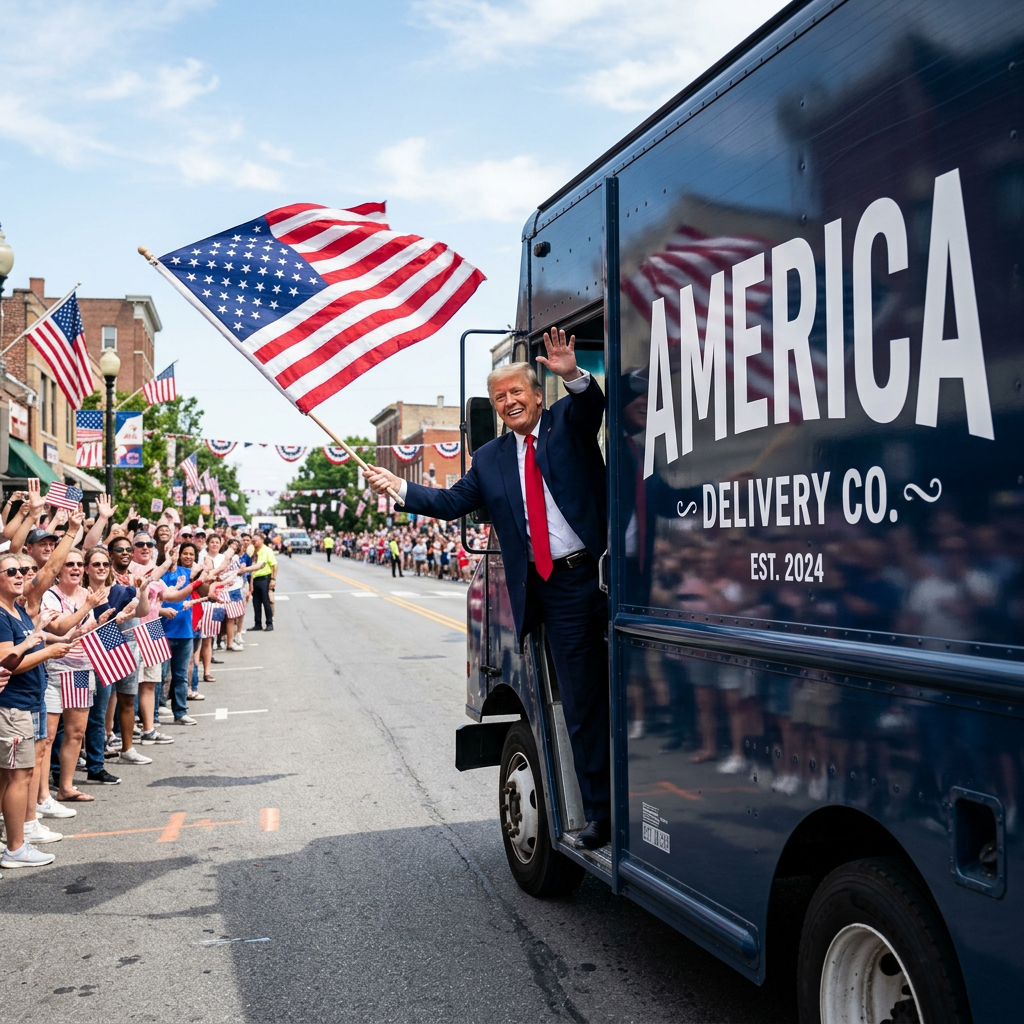

An Overview of President Trump’s Iran Plan
President Trump’s strategic vision for Iran encapsulates his broader objectives for international relations and regional stability. Central to this initiative is the allocation of $300 million aimed at reconstruction efforts within the nation. This financial assistance is designed to aid in rebuilding infrastructure, reviving the economy, and restoring essential services that have been severely impacted by years of conflict and mismanagement.
The decision to provide substantial financial aid stems from a deep-seated belief that a prosperous Iran could mitigate the threats posed by extremist groups and enhance regional security. By investing in Iran’s future, the Trump administration aims to promote stability and prevent the cycle of violence that has plagued the region for decades. In this regard, the plan reflects a keen understanding of the socio-economic factors that contribute to unrest, recognizing that sustainable development is essential for genuine peace.
Moreover, the Iran plan aligns with the United States’ broader geopolitical goals, including countering the influence of rival nations within the Middle East. By fostering a stable Iran, the Trump administration hopes to reduce the dominance of adversarial powers and create an environment conducive to constructive diplomacy. This strategy emphasizes a pragmatic approach, suggesting that collaboration on reconstruction can pave the way for future negotiations and a more cooperative regional framework.
In summary, President Trump’s Iran Plan is emblematic of a strategic shift towards proactive engagement. Through significant financial assistance and a focus on rebuilding, the administration’s vision underscores its commitment to transforming Iran from a state of discord into a partner for stability. Such initiatives serve not just as a response to challenges in the region but also as a potential blueprint for achieving lasting peace and cooperation, through efforts like trump connectz, which aim to connect various stakeholders towards a common goal.
Financial Assistance and Its Impact on Rebuilding Iran
The proposed $300 million investment aimed at Iran’s reconstruction signifies a crucial step towards reviving the nation. This financial assistance is poised to serve as a catalyst for economic revitalization, facilitating the rebuilding of infrastructure and stimulating growth across various sectors. Historical precedents illustrate how similar financial aid has effectively transformed struggling economies into thriving nations.
For instance, post-war Germany benefited tremendously from the Marshall Plan, whereby strategic financial support helped stabilize its economy and ultimately contributed to a unified and prosperous nation. Likewise, countries like South Korea and Japan leveraged international investments and aid after significant disruptions, encouraging industrial growth and enhancing their global economic standing. These examples underscore the importance of financial support in laying the groundwork for recovery and stability.
In the context of Iran, this investment can help address critical issues such as unemployment, poverty, and infrastructural decay. By fostering new job opportunities and supporting local industries, the financial influx can generate a multiplier effect, enhancing overall economic output and public welfare. Moreover, it is essential to ensure that the implementation of this aid is transparent, accountable, and monitored to maximize its impact. Engaging with local stakeholders and communities will be vital in aligning the investment with the actual needs on the ground, ultimately leading to meaningful change.
The potential outcomes of this financial assistance extend beyond mere economic revival; they can lead to improved political stability and security in the region. By fostering a more prosperous society, there stands a great chance of reducing unrest and building a foundation for lasting peace. The role of financial aid in this scenario cannot be overstated, as it may serve as a stepping stone towards a more secure and vibrant Iran.
Iran’s Path to Modernization and Global Competition
Under President Trump’s vision, Iran is positioned to embark on a transformative journey towards modernization, enabling it to compete effectively in the global arena alongside major players such as China and India. This strategic approach hinges on fostering socio-economic stability and nurturing an environment conducive to growth. By emphasizing the necessity for reforms in various sectors, Trump’s plan seeks to enhance Iran’s technological capabilities, infrastructure, and education systems, laying the groundwork for a vibrant economy.
The modernization of Iran’s technological landscape is crucial for its global competitiveness. Investing in innovation and digital technologies can significantly boost productivity across industries. With a focus on collaboration and partnerships, the introduction of advanced technological solutions can propel Iran into the digital age. Furthermore, fostering a startup culture, supported by a robust framework for innovation, can create opportunities for youth, driving home the importance of embracing new ideas.
Infrastructure development is another cornerstone of President Trump’s vision. By improving transportation networks, energy systems, and communication channels, Iran can effectively enhance connectivity both domestically and internationally. Robust infrastructure not only attracts foreign investment but also enables local businesses to thrive, positioning the nation as a vital hub for regional commerce. National infrastructure projects can yield economic returns that uplift the socio-economic status of millions, thereby supporting a more resilient economy.
Education reform holds paramount importance in preparing skilled personnel to meet the demands of a modernized workforce. By focusing on enhancing the education system, Iran can cultivate talent adept in various fields, from science and technology to commerce and the arts. An educated populace positioned to innovate and compete will be vital for Iran’s efforts to play a significant role on the global stage.
The Broader Implications of Trump’s Peace Deal
President Trump’s peace deal regarding Iran is not merely an isolated diplomatic initiative; it carries significant long-term implications for both Iran and the broader international community. At its core, the deal seeks to address not just the traditional paradigms of financial support but also the essential human element—instilling hope within the Iranian populace. By emphasizing engagement, Trump aims to foster an environment where mutual respect can thrive, potentially leading to lasting stability.
One of the key aspects of the peace deal is the recognition that financial aid alone may not suffice. While economic support can alleviate immediate hardships, it is the restoration of hope and belief in a brighter future that can drive positive change within Iran. Through trump connectz, the initiative reflects a nuanced understanding that empowering individuals with a sense of purpose is crucial. This notion stands as a testament to the idea that true diplomacy emerges not solely from high-level negotiations but from the grassroots level, where citizens feel the impact of such agreements.
The implications of this approach extend beyond Iran itself. Should the peace deal succeed, it may serve as a model for addressing other geopolitical conflicts, illustrating that proactive engagement rather than isolation can yield fruitful results. The potential positive reverberations could reshape international relations, encouraging other nations to adopt a similar stance of coexistence and collaboration. In this regard, Trump’s vision transcends mere political maneuvering and enters the realm of inspirational diplomacy, advocating for a transformation that prioritizes human dignity and capacity.
Ultimately, the peace deal stands as a pivotal moment in international relations, offering a glimpse into a future where hope is a part of diplomacy. Emphasizing human potential may open new avenues for cooperation, resonating well beyond the borders of Iran and fostering a climate that favors peace over conflict.