

The Epstein Files Revelation
The release of the Epstein files has sent ripples through various societal sectors, particularly in political circles. The documents unveil a complex web of associations involving many high-profile individuals, including the former President Donald Trump. These revelations emerge from an extensive investigation into Jeffrey Epstein, a financier whose criminal activities have garnered significant media attention over the years. The scandal highlights not only Epstein’s notorious connections but also raises questions regarding the integrity and ethical standings of those involved.
The Epstein scandal originally gained traction due to the troubling allegations of human trafficking and sexual exploitation, connecting various prominent figures to Epstein’s notorious circle. As the files surfaced, they contained extensive records of interactions and relationships involving Trump, revealing a complicated past. It is essential to recognize that while the files may present implications regarding Trump’s associations, they do not necessarily confirm wrongdoing. However, the mere existence of these associations poses a challenge to Trump’s political narrative and may jeopardize his public perception.
In assessing the impact of the Epstein files on Trump’s legacy, several factors emerge. Public opinion is an increasingly critical component of political success, and Trump’s associations will likely influence voter sentiment. Historical context also plays a role, as Trump’s prior statements concerning wealthy acquaintances and elite circles may be revisited in light of these new allegations. The Epstein files could not only tarnish Trump’s reputation but also deter potential supporters, thereby complicating his future political ambitions. As the fallout from the Epstein files continues to evolve, observers are left to consider how such revelations will shape Trump’s legacy in the long term.
Understanding the Impact of the Epstein Files
The recent release of the Epstein files has ignited widespread discussions regarding their implications for Donald Trump’s legacy. As these documents circulate, they not only raise serious questions about Trump’s associations but also highlight disturbing allegations that tarnish his public image and character. The records include numerous accounts of Trump’s encounters with Jeffrey Epstein, creating a complex narrative that cannot be ignored.
Among the most significant revelations are testimonies from various individuals who categorically allege that Trump engaged in questionable behaviors linked to Epstein’s notorious activities. Specific details emerging from the files indicate a pattern of association that could suggest complicity or at the very least, a troubling disregard for the company he kept. Witness statements reference encounters at Epstein’s lavish parties, where underage girls were reportedly present, thus contributing to an unsettling portrayal of Trump’s past behavior.
Moreover, documents reveal a range of allegations that suggest Trump may have been aware of Epstein’s illegal pursuits. The level of detail presented in these files underscores a narrative that could potentially harm Trump’s reputation further. In light of ongoing legal debates regarding Epstein’s network and the implications of his ties to high-profile individuals, the Epstein files serve as a pivotal point of inquiry into how Trump’s relationships and decisions might have been influenced over time.
The fallout from these unsettling discoveries poses significant risks not just for Trump’s personal legacy, but also for his political aspirations. As public scrutiny intensifies, the various layers of implications stemming from these revelations necessitate a profound reflection on both his past and his future.
In conclusion, the Epstein files present a vivid account of the complexities surrounding Donald Trump’s legacy, emphasizing the importance of transparency and accountability in political leadership.
Trump’s Image and Public Perception
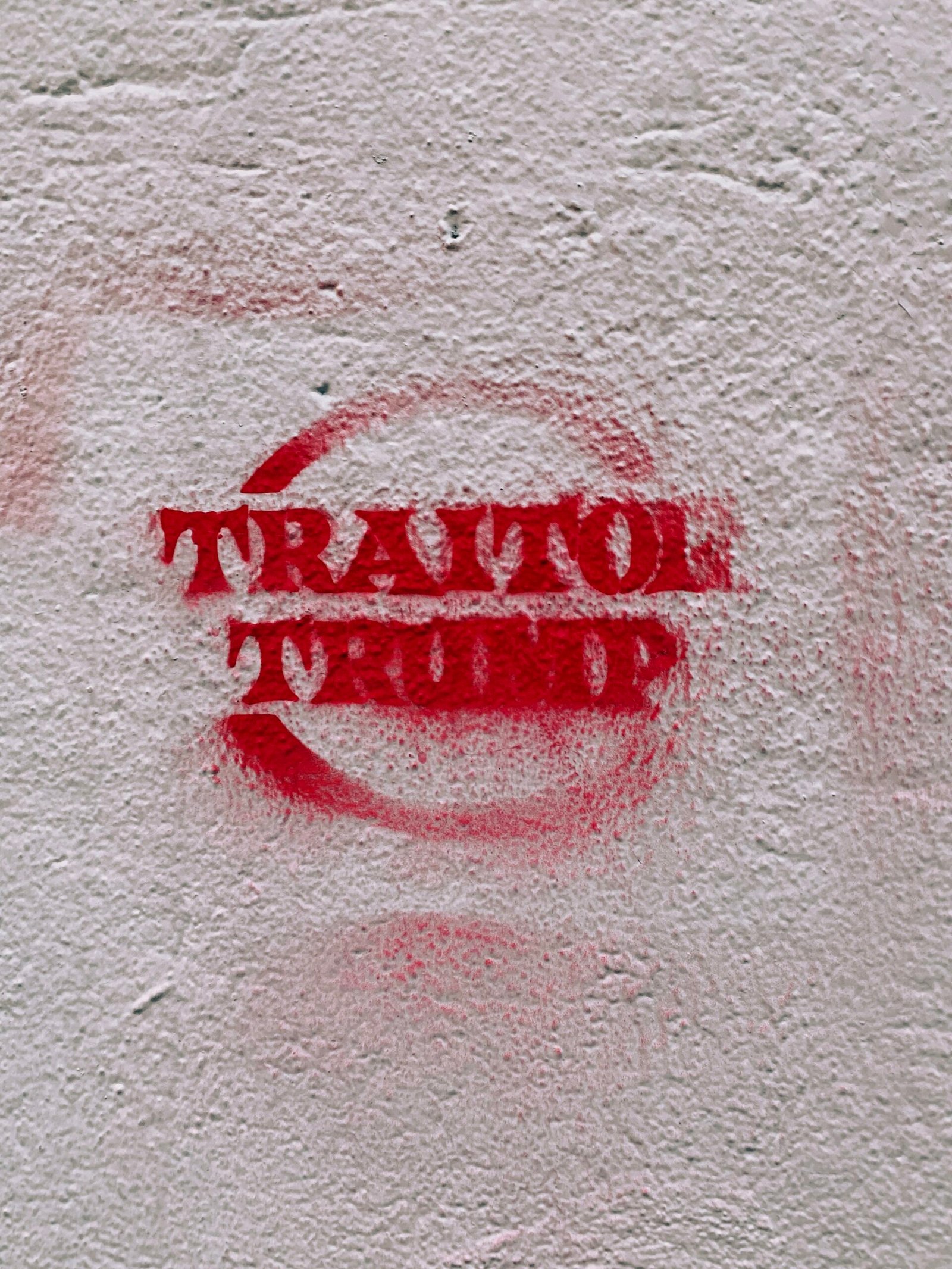
The allegations surrounding Jeffrey Epstein have undeniably cast a long shadow over Donald Trump’s public image. Once viewed through the lens of celebrity and business acumen, Trump’s association with Epstein, particularly through their documented social interactions, has prompted scrutiny from various sectors of society. A notable point of contention emerged when reports indicated that Epstein visited Trump’s Mar-a-Lago estate, which has led many to question the nature of their relationship and whether Trump had any prior knowledge of Epstein’s illicit activities.
This exposure has polarized Trump’s supporters and critics alike. For staunch supporters, these allegations may be seen as politically motivated efforts to undermine his presidency and tarnish his legacy. They often believe that negative narratives, fueled by the media, overshadow his policy achievements and ongoing political campaigns. This defense has remained consistent, with supporters voicing that they view Trump’s prior affiliations with Epstein as distant and unreflective of his current values and actions.
Conversely, critics point to these allegations as indicative of a broader moral failing and a significant blemish on his character. Detractors argue that these associations raise ethical questions about Trump’s judgment and decision-making. As discussions around Epstein’s activities gained traction, many within the Democratic and independent circles began to characterize Trump as complicit or at least morally irresponsible, thus altering his public perception in critical demographic segments.
The media landscape plays a crucial role in this evolving narrative, with various outlets framing the allegations against Trump in ways that can either reinforce or undermine his support base. In a charged political environment, public perceptions are dynamic and constantly shaped by new information, making it imperative to assess these shifting opinions regarding Trump in the context of the Epstein scandal.
The Long-term Consequences for Trump’s Legacy
The Epstein files have emerged as a significant element that potentially alters public perception regarding Donald Trump’s legacy. Historically, a president’s legacy is constructed not only through their policy initiatives and governance style but also through their personal conduct and ethical considerations. The extensive allegations surrounding Jeffrey Epstein, including connections to high-profile individuals, including Trump himself, pose challenging questions about the former president’s character and his social associations.
As the details surrounding the Epstein case continue to unfold, the implications for Trump’s legacy may deepen. Current public sentiment is heavily influenced by ongoing media coverage and societal discourse concerning sexual misconduct and accountability, particularly among powerful individuals. Future generations may sift through the complexities of his presidency, weighing the significance of these connections against his political platform and achievements.
For many, Trump’s association with Epstein could overshadow other aspects of his tenure. Perceptions of integrity and ethical leadership are paramount; they shape the narrative around a political figure long after they have left office. Consequently, the severity of the allegations against Epstein and the societal response may taint how Trump is remembered. Historians and political analysts may point to this association as a cautionary tale about the vulnerabilities of leaders associated with controversial figures.
Moreover, Trump’s political base is uniquely affected by these revelations. While some supporters may downplay the implications, others may reconsider the ethical dimensions of their allegiance. This reevaluation can significantly influence how Trump is perceived in the long-term, potentially leading future generations to question the values represented by his leadership.
A Closer Look at Pedophilia in Modern America
The issue of pedophilia in modern America has emerged as a significant concern in contemporary society, attracting the attention of lawmakers, activists, and the general public alike. As statistics reveal alarming trends and instances of abuse, the dialogue surrounding this issue is becoming increasingly urgent. Reports indicate that the incidence of child exploitation has risen sharply, with the National Center for Missing and Exploited Children reporting a staggering increase in online exploitation cases over the past decade. This disconcerting trend spotlights a variety of systemic problems within society that permit such heinous acts to persist.
Moreover, societal perspectives toward pedophilia are gradually shifting, paving the way for candid discussions about prevention and accountability. Increasing public awareness, driven in part by high-profile cases involving influential figures, has enabled communities to confront the stigma associated with discussing these sensitive topics. The revelations surrounding Jeffrey Epstein have elicited strong reactions, as many accuse prominent individuals, including former President Donald Trump, of complicity or at least negligence in addressing sexual crimes against minors. Such ties have fostered skepticism around elite power structures, leading to a collective demand for accountability.
Further complicating the discourse is the perceived relationship between mental health and pedophilia, with debates regarding whether treatment options should be available for offenders before they commit crimes. Advocacy groups are divided, as they aim to strike a balance between protecting children and ensuring the rights of individuals who may not yet have acted upon these urges. Ultimately, addressing pedophilia in America requires comprehensive risk assessment, community involvement, and an unwavering commitment to child protection policies. As we grapple with the implications of the Epstein files, the need to reevaluate societal norms and legislative frameworks becomes more paramount, urging us toward systemic change.
Family Legacy: Implications for Trump’s Children
The Epstein scandal, which has captivated public attention and ignited widespread condemnation, has significant implications for Donald Trump’s children. As the offspring of a high-profile figure embroiled in such controversy, they now face the challenge of navigating a tarnished family legacy. Their public image is inherently tied to that of their father, and the unfolding events surrounding the Epstein files may lead to repercussions that affect their personal and professional endeavors.
During the past few years, Ivanka Trump, Donald Trump Jr., and Eric Trump have built their respective brands and careers while operating under the shadows cast by their father’s complex political and social journey. The allegations surrounding Epstein, particularly those that hint at associations with powerful figures, could aggressively alter perceptions of them. The challenge lies in detaching their individual identities from their father’s controversial legacy. The associations may lead to scrutiny that hampers their business ventures and philanthropic efforts.
Public perception plays a pivotal role in the personal and professional lives of Trump’s children. The difficulties posed by any negative association with the Epstein scandal could potentially hinder their capacity to attract future business partners or collaborators. Even charitable endeavors may face skepticism, resulting in diminished public support. By extension, they could experience a decline in media engagement, which has been a crucial asset for maintaining their influence across various platforms.
Ultimately, while their father occupies a notable position in American political discourse, the implications of his legacy may impose limitations on Trump’s children as they navigate an increasingly scrutinized public landscape. How they respond to these challenges will play a critical role in shaping their futures and securing their reputations, which now stand vulnerable in the wake of the Epstein fallout.
Public Outcry Against Pedophilia
The public’s response to allegations of pedophilia has increasingly become a focal point in today’s discourse surrounding child protection and the accountability of influential figures. High-profile cases, such as those involving prominent individuals like Donald Trump, have highlighted the necessity for society to openly address and condemn such behaviors. The impact of pedophilia extends far beyond individual cases, affecting the cultural and moral fabric of society.
Addressing allegations of pedophilia publicly is vital for multiple reasons. Firstly, it serves as a deterrent for potential offenders, reinforcing the notion that such actions will not be tolerated. The visible outrage stemming from the community can act as a powerful catalyst for change, encouraging those in positions of authority to address misconduct more transparently. Moreover, public discussions surrounding these allegations can spark vital conversations aimed at educating society about the signs of abuse, prevention strategies, and the importance of protective measures for vulnerable populations.
Influential figures bear a significant responsibility in shaping societal norms and perceptions regarding pedophilia. The narrative established by politicians, celebrities, and public leaders can either contribute to a culture of silence or promote a culture of accountability and support. For instance, Trump’s conduct and responses to allegations linked to the Epstein files provide a lens through which societal values are often reflected and reinforced. Dismissive or negligent attitudes towards such grave allegations risk normalizing the issue, whereas unequivocal condemnation can galvanize public sentiment to demand systemic changes.
In conclusion, the ongoing public outcry against pedophilia underscores its importance as a societal issue that necessitates immediate attention. The responses from respected figures like Donald Trump influence the conversation surrounding these allegations, shaping societal attitudes and actions. Therefore, it is imperative that society confronts these challenges head-on to foster a safer environment for all, particularly for those who cannot protect themselves.
Calls to Action: Resisting Normalization
The normalization of behaviors associated with pedophilia is a serious societal issue that requires dedicated activism to counteract. Many initiatives have emerged, focusing on raising awareness and advocating for the rights of victims. Organizations such as Stop the Silence and Protect Our Kids work tirelessly to provide support for survivors and initiate conversations about the importance of preventing abuse. These organizations also play a pivotal role in engaging the public, pushing for policy changes that enhance protections for vulnerable populations.
Public campaigns often aim to educate communities about the signs of abuse, emphasizing the necessity of vigilance and intervention. Activism in this realm can take various forms, from grassroots movements to organized protests aimed at driving home the point that society must stand firmly against any form of abuse. By raising awareness about the psychological and social repercussions of pedophilia, these efforts strive to keep the conversation alive and promote a culture of accountability.
Furthermore, activists work with policymakers to introduce legislation that aims to improve child protection measures. In many cases, these laws increase penalties for offenders and expand mandatory reporting requirements for suspected abuse. As more individuals become aware of the underlying issues, it is critical that collective action translates into tangible benefits for victims and preventive measures against future instances of exploitation.
In a landscape where normalization attempts can thrive, continued resistance is essential. Society’s willingness to challenge the narratives that seek to minimize abuse and stand up for the rights of victims is crucial. Each action taken by advocates not only benefits those affected but also contributes to a larger movement aimed at safeguarding children. Public accountability must remain a priority in efforts to confront and dismantle any normalization of harmful behaviors.
Conclusion: The Future of Trump’s Legacy and America’s Stance
In examining the implications of the Epstein files on Donald Trump’s legacy, it is crucial to acknowledge how pivotal discussions around the intertwining of powerful individuals, sexual exploitation, and systemic failures are to the future of American society. The bipartisan investigation into Jeffrey Epstein’s heinous activities has revealed uncomfortable truths, challenging our understanding of privilege and accountability.
Trump’s connection to Epstein has sparked scrutiny regarding his administration’s position on issues of child protection and justice. This examination does not simply reflect on Trump’s past but rather illuminates a broader national narrative about our responsibilities towards vulnerable populations, particularly children. The legacy of any leader should encompass their commitment to the protection of the most susceptible and marginalized. As such, Trump’s legacy will likely face scrutiny based on his proximity to individuals like Epstein and the implications that surround it.
Moreover, confronting these difficult truths encourages a collective reflection on America’s stance against child exploitation and the structures that perpetuate such crimes. It compels citizens to demand greater accountability from their leaders, while also incentivizing the establishment of more robust mechanisms that protect those at risk. As we move forward, it is essential to engage in thoughtful dialogue about these issues, holding all parties accountable and addressing the failures that allow such abuses to persist.
Ultimately, the future of Trump’s legacy and America’s resolve in shaping a just society will depend on our willingness to confront uncomfortable realities. By engaging with these subjects openly, society can strive to create a safer environment for all, ensuring that the lessons from the past are not only acknowledged but actively addressed moving forward.