

The artificial intelligence landscape is undergoing a significant transformation, largely driven by advancements in machine learning, natural language processing, and user-centric design. Over the years, AI has evolved from rudimentary automated responses to sophisticated models capable of engaging in human-like conversations. Among these developments, conversational AI models such as ChatGPT have emerged to provide users with more interactive and personalized experiences. This evolution marks a pivotal moment in the way information is accessed and utilized.
You May Also Like

Traditionally, platforms like Google have dominated the search engine market by providing users with direct access to information through keyword-based queries. However, with the introduction of models such as ChatGPT, the competition in the AI space has intensified. Users are increasingly drawn to conversational AI, which offers a more dynamic interaction, akin to engaging with a human rather than sifting through lists of search results. This shift in user preference indicates a demand for more contextual and relevant responses, which conversational AI aims to fulfill.
The rise of ChatGPT exemplifies a growing trend where the boundaries between search engines and AI-driven conversational interfaces are blurring. Google’s Gemini and similar tools are now faced with the challenge of adapting to this new paradigm, aiming to maintain their relevance in an evolving technological landscape. As consumer habits shift towards more integrated and conversational models, it becomes essential to understand the implications of these changes. The integration of conversational AI into everyday applications is not merely a trend but reflects a fundamental shift in how users engage with technology, paving the way for future advancements.
ChatGPT’s Unique Advantages
One of the most significant strengths of ChatGPT lies in its advanced natural language processing (NLP) capabilities. Developed by OpenAI, ChatGPT leverages state-of-the-art machine learning algorithms, enabling it to comprehend and generate human-like text with remarkable accuracy. This proficiency allows the model to engage users in conversational contexts, providing intelligent responses that are contextually relevant. By utilizing vast datasets, ChatGPT continually improves its understanding of language nuances, idiomatic expressions, and cultural references, setting itself apart in the competitive AI landscape.
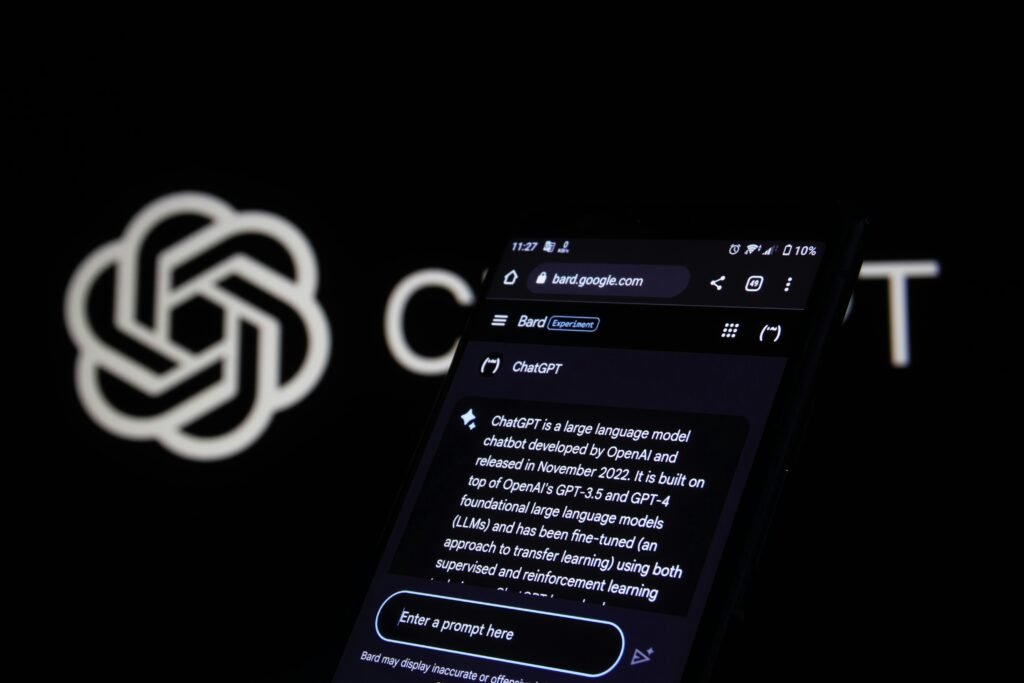
Another notable advantage of ChatGPT is its user-friendly interface, designed to ensure accessibility for a diverse audience. The ease of use fosters an environment where individuals, regardless of their technical expertise, can interact seamlessly with the AI. This simplicity encourages users to explore various applications, from educational support to casual conversation, enhancing user satisfaction and promoting sustained engagement. This accessibility is particularly important as it broadens the potential user base, making AI more approachable and useful to everyone.
Personalization is yet another area where ChatGPT excels. The model adapts its responses based on previous interactions, creating a more tailored experience for each user. This capacity for personalization leads to improved accuracy in responses, as the AI learns user preferences and adjusts its language accordingly. Such a tailored approach not only boosts user satisfaction but also creates a sense of trust, fostering long-term relationships with the AI. In comparison to traditional search engines, which often deliver generic results, ChatGPT’s personalized interaction enhances engagement and satisfaction, making it a compelling choice for users seeking nuanced and relevant information.
Google’s Gemini: A Broader Perspective
Google’s Gemini emerges as a significant player in the artificial intelligence landscape, positioning itself as a challenger to existing systems like ChatGPT. While ChatGPT has gained popularity primarily for conversational purposes, Gemini distinguishes itself by offering a wider array of functionalities that cater to diverse needs. This broader perspective is a central aspect of Gemini’s design and integration within Google’s extensive suite of services.
One of the key features of Gemini is its seamless integration with Google’s ecosystem, encompassing tools such as Google Search, Google Photos, and Google Workspace applications. By leveraging the vast amount of data and powerful algorithms inherent in these platforms, Gemini enhances its ability to respond intelligently to user inquiries, making it not just a conversational assistant but a comprehensive digital tool. This multifaceted approach allows Gemini to serve users who require more than dialogue capabilities, appealing to professionals, educators, and individuals seeking knowledge, productivity, and efficiency.
Furthermore, Gemini’s architecture is built to support a diverse range of applications, from content creation and data analysis to enhanced learning experiences. This flexibility enables it to adapt to various user contexts, providing significant advantages in environments where context-sensitive solutions are vital. Additionally, Gemini’s integrated solutions offer collaborative features, enabling real-time interactions between users and AI-driven tools, which is especially beneficial in educational and business settings. While ChatGPT excels in creative writing and conversational engagement, Gemini’s potential lies in its adaptive learning and multifunctionality.
Nevertheless, Gemini is not without limitations. It may face challenges in more nuanced conversational contexts where emotional intelligence plays a key role, an area where ChatGPT has made considerable strides. In examining the broader perspective of Google’s Gemini, it is clear that it operates with a fundamentally different aim compared to ChatGPT, focusing on versatility and integration rather than purely conversational abilities.
The Future of AI Companions: Insights and Predictions
The evolution of AI companions like ChatGPT and Google’s Gemini signifies a remarkable shift in how individuals interact with technology. As we delve into the future of these platforms, it becomes evident that user preferences will play a critical role in shaping their development. Users are increasingly seeking more personalized, intuitive, and versatile AI experiences. This trend highlights the importance of user-centric designs, which can effectively enhance engagement with AI companions.
One major area for improvement lies in the adaptability of these systems. While both ChatGPT and Gemini exhibit impressive natural language processing capabilities, future developments will likely focus on their ability to learn from user interactions over time. By integrating more advanced machine learning algorithms, these AI companions could become more context-aware and capable of fulfilling specific user needs, such as offering personalized content recommendations or tailored responses in conversations.
Additionally, there is a growing expectation for AI companions to support emotional intelligence. Users are increasingly inclined to connect with AI on a more personal level, valuing empathy and understanding in their interactions. As a result, AI systems must evolve to recognize emotional cues and respond in ways that resonate with users on an emotional scale. This presents both a challenge and an opportunity for platforms like ChatGPT and Google Gemini.
Moreover, the rising focus on data privacy and ethical considerations will undoubtedly shape the future landscape of AI companions. Users are becoming more vigilant regarding how their data is utilized and the transparency of AI operations. Consequently, any future advancements must align with user expectations for security and privacy to foster trust and encourage widespread adoption.
In conclusion, the future of AI companions appears promising, as they continue to adapt to changing user preferences. With a focus on personalization, emotional intelligence, and privacy, platforms like ChatGPT and Gemini are poised to redefine the user experience in a digital world increasingly reliant on AI integration.
