
Now Reading: Wildlife will be affected by current drought for years to come, UK government says | Drought
- 01
Wildlife will be affected by current drought for years to come, UK government says | Drought

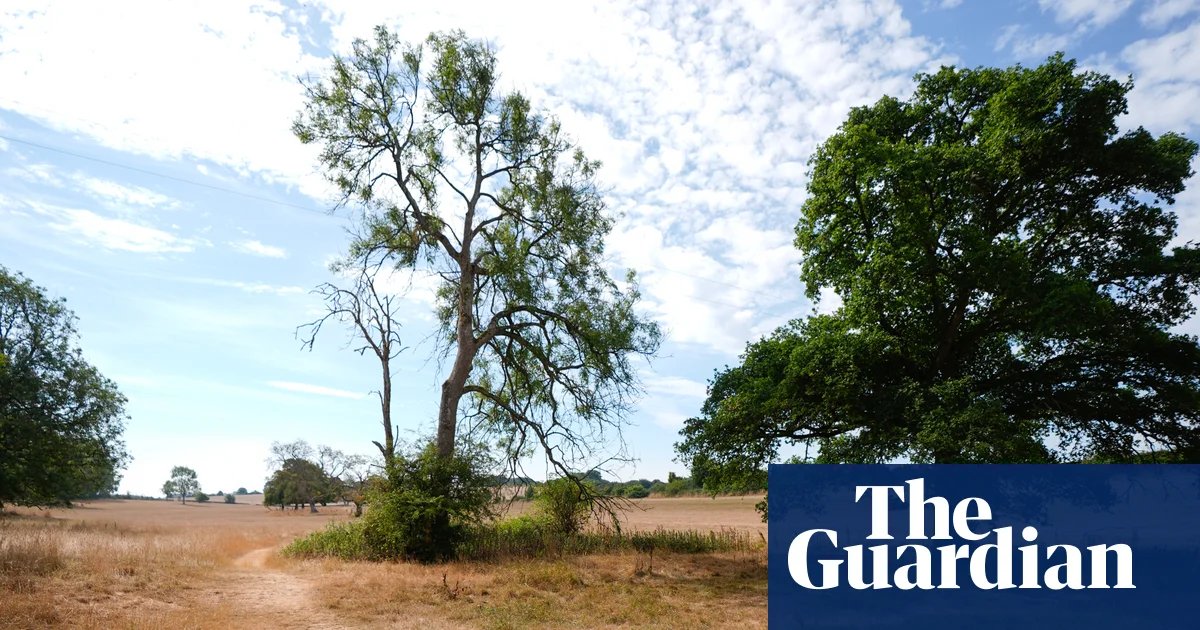
Wildlife will be affected by current drought for years to come, UK government says | Drought
Wildlife in England and Wales will be affected by the current drought for years to come, the government has said.
This summer saw large parts of England and all of Wales plunged into a serious drought, with both recording their driest Julys since records began in 1836.
The lack of rainfall combined with successive heatwaves and new temperature records have placed a significant strain on water supplies, with demand for water increasing by as much as 30% on the hottest days. Scientists said this extreme weather was only possible due to the climate crisis caused by the burning of fossil fuels.
Despite recent rainfall, the National Drought Group said groundwater storage and reservoir levels were continuing to decline, with England’s reservoir storage now 19.7% below average for the time of year and most reservoirs classed as notably or exceptionally low.
Tony Grayling, the chair of the drought group and the strategic lead for drought at the Environment Agency, said the environmental impacts of the drought would continue to increase.
“The short-term impacts of drought have been visible over the summer, but we know the effects on wildlife populations and ecosystems will last for years to come,” he added. “The speed of drought recovery depends both on rainfall and demand for water.”
So far this year, 349 environmental incidents have been recorded, exceeding the 321 in 2025. These incidents include algal blooms (which can be triggered by hot and dry weather and reduce oxygen levels in water), fish deaths, water quality incidents and low flows.
Natural England said breeding waders and specialist wetland invertebrates had struggled significantly, while some species-rich environments had dried out completely.
Natural England is developing a research and monitoring programme specifically focused on the effects of drought and wildfire, as many of the most serious consequences may not become fully apparent until future growing seasons.
Oliver Harmar, the chief strategy officer at Natural England, said the country must use nature-based solutions to adapt landscapes to cope with the growing threat from drought.
“Restoring the natural hydrology of our landscapes, particularly our wetlands and peatlands, helps them hold on to water for longer, recover more quickly from drought, and reduce the risk of fire taking hold in dried-out ground,” he said. “It also has real benefits for the water that ends up in our taps and rivers, and for the wildlife that depends on these habitats to survive.”
The drought group has said it will take months of significant and sustained rainfall for the drought to end. The Environment Agency recently said 120% of average rainfall was needed over the coming seven months for the entire country to be out of drought by next spring.
Grayling said: “It is vital we all still use water wisely in the coming months to help our environment recover from the impacts of an exceptionally dry spring and summer.”