
You May Also Like


Would you get into a robot taxi with no mirrors, steering wheel, or brake pedal?
Tesla CEO Elon Musk hopes so. In September, his company launched the Cybercab in Austin, Texas. But the rollout came with controversy. U.S. regulators opened a probe into the totally automated automobiles. Meanwhile, Cybercabs remain on Austin’s streets.
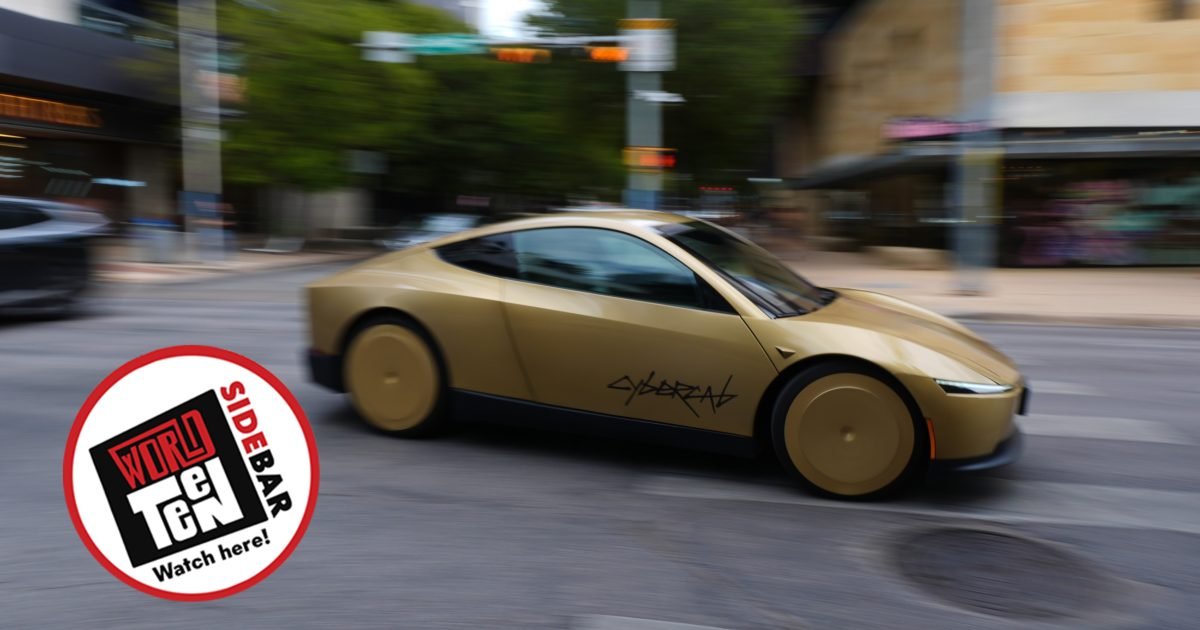
Musk says his driverless taxis will transform the way people travel. The two-seated Cybercabs have a sleek, golden, futuristic look. Their doors open upward like wings. But are the futuristic rides actually safe? That’s what the National Highway Traffic Safety Administration plans to find out. The group opened the probe into the Cybercabs the day after the vehicles launched. As a result, Tesla stock fell by 5%.
Before launch, Tesla used a “self-certification” method to check for safety. The company tested itself to see if it complied with government safety rules. The government wants to investigate exactly how Tesla certified itself. What data and processes did the company use?
Self-driving vehicles use artificial intelligence technology. This tech remains in its infancy. Researchers and developers are still figuring out just what it can do—and how it can go wrong. It’s one thing to trust AI to run smaller machines, such as robot vacuums, for which failures have small consequences. But what about trusting AI with an entire vehicle? Mistakes on the roadways can be deadly
Driverless taxis aren’t new. Brands like Waymo have offered AI-powered, self-driving cab rides since 2019. These vehicles still have manual controls, though passengers cannot take the wheel or hit the brakes. Waymo supplements its cameras with radar and a laser-based technology called lidar. Regulators want to know whether Tesla Cybercab’s camera-only system can safely navigate streets and avoid pedestrians.
Tesla’s not alone. Other companies are also steering away from manual controls. Amazon’s Zoox taxi service received government approval to launch driverless cabs without steering wheels and pedals. These cabs started operating in Las Vegas, Nevada, in September 2025.
It doesn’t help that Tesla’s other self-driving vehicles already have a shaky record. The company faces several other government safety probes. Self-driving Teslas have crashed due to fog, solar glare, and other low-visibility conditions. In one instance, a pedestrian died. One probe is exploring why dozens of Tesla vehicles have run red traffic lights and driven on the wrong side of the road. Another investigates why Tesla officials failed to report crashes quickly.
Whatever these government probes reveal, some questions remain. Is it wise to ride in a car that has no way for humans to stop or steer? How much should we trust our technologies—especially new ones?
Why? New technologies can change what we consider normal, but the speed of incorporating that change requires careful testing and discernment.
Click the “video” button at the top of the story to watch a WORLDteen Sidebar about another automated technology—a humanoid robot that can clean your house!
