

Introduction: Apple Under Scrutiny
As one of the world’s leading technology companies, Apple Inc. has consistently remained at the forefront of innovation, renowned for its high-quality products and user-centric design. With a market presence that commands loyalty and sets industry trends, Apple epitomizes success in the tech sector. However, the company currently finds itself under scrutiny, facing a series of challenges that have raised questions about its operational strategies and leadership direction.
You May Also Like


Recent developments have led to confusion surrounding Apple’s product shortcuts, particularly affecting user experience across its software ecosystem. Users have reported inconsistencies and difficulties in navigating features that were once lauded for their intuitiveness. This situation not only affects customer satisfaction but also raises concerns about the underlying processes driving product development and updates at Apple. The expectations tied to the Apple brand, including reliability and innovation, make any deviation from these standards particularly jarring for its user base.
At the center of this scrutiny is Tim Cook, Apple’s CEO, who has faced both accolades and criticism during his tenure. Under Cook’s leadership, Apple has expanded its portfolio beyond hardware into services, reflecting a significant shift in the company’s strategic vision. Despite these advancements, Cook’s approach has not been without contention, leading to debates about the effectiveness of his leadership style and the decisions made under his guidance.
As Apple navigates these turbulent waters, it is essential to analyze the implications of the company’s struggles with user experience and its leadership dynamics. This examination will elucidate the broader implications these issues hold for one of the most influential brands in tech history.
Understanding the Shortcut Confusion
Recent updates to Apple’s software have led to a significant level of confusion regarding shortcuts across its various products. Users have highlighted inconsistencies and unexpected changes in the functionality of previously familiar shortcuts, impacting their overall experience. These alterations have bred frustration among users who rely on shortcuts for efficient navigation and productivity. The shortcut confusion has stemmed from a combination of updates that have modified existing functionalities and introduced new ones, leaving some users struggling to adapt.
For instance, the introduction of new operating systems has often meant reassigning shortcuts or integrating new ones, which can clash with established usage patterns. A specific example cited frequently involves the reconfiguration of keyboard shortcuts across apps, diminishing the predictability that many users have come to expect. Consequently, users must invest additional time to learn and potentially relearn these functions, which can disrupt their workflow and decrease productivity.
Apple’s acknowledgement of this issue has been met with both support and criticism. The company has engaged with user feedback through forums and community discussions, highlighting their commitment to refining user experience. However, the perception remains that frequent updates may inadvertently lead to greater user confusion rather than clarity. Apple has attempted to address these concerns by providing more detailed documentation and tutorial resources aimed at helping users navigate the evolving landscape of shortcuts.
This ongoing dilemma underscores the importance of maintaining consistency in user interfaces, especially in environments where users are already accustomed to specific functionalities. As Apple continues to innovate and introduce new features, addressing shortcut confusion will be crucial for enhancing user experience and satisfaction in an increasingly complex digital ecosystem.
The Impact of Leadership Decisions
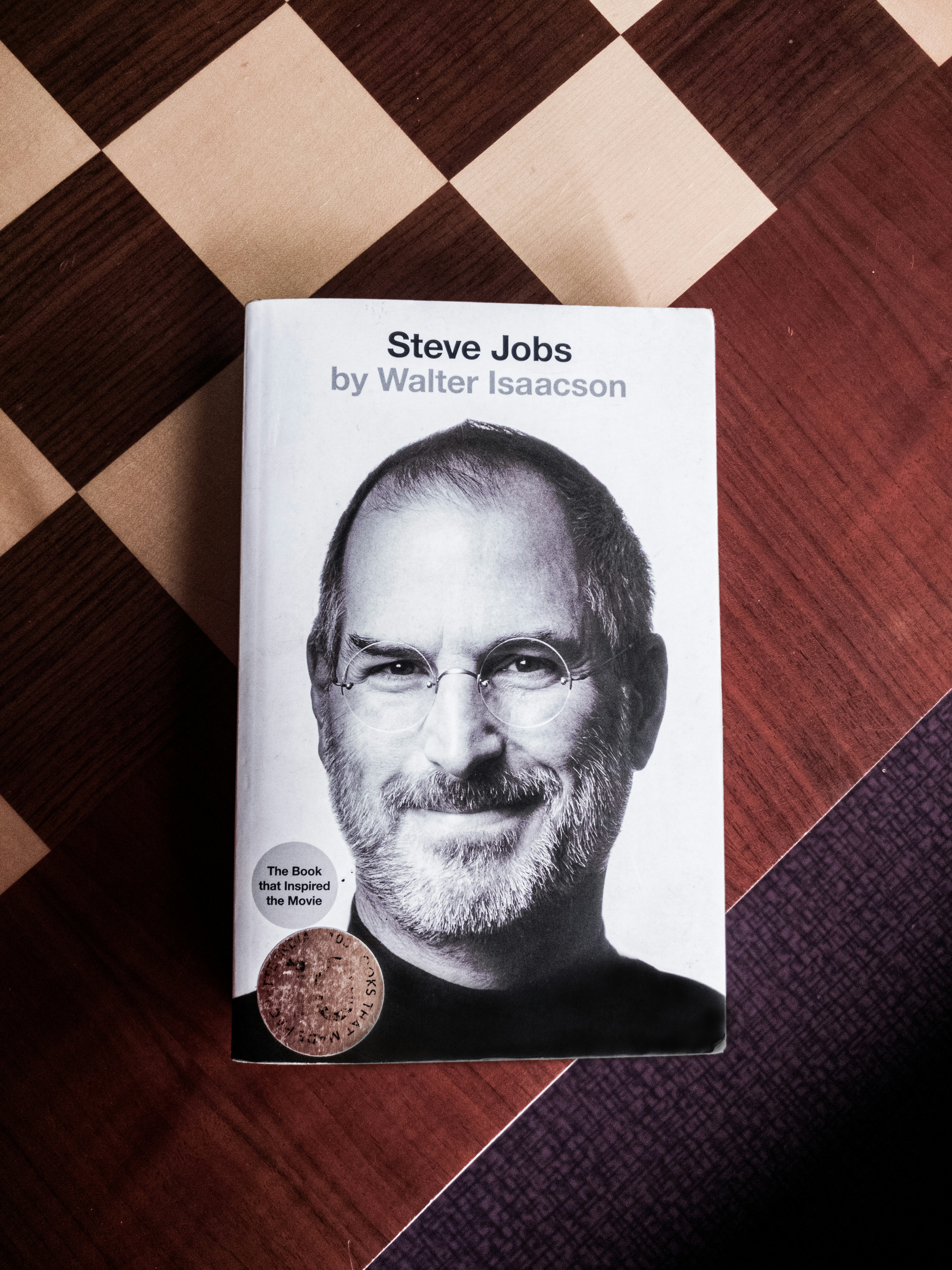
Since assuming the role of CEO in 2011, Tim Cook has been at the helm of Apple, navigating the company through significant technological advancements and changing market dynamics. However, his leadership style and certain strategic decisions have become focal points of contention among both users and industry experts. Under Cook’s stewardship, Apple has continued the legacy established by Steve Jobs, yet his approach often appears markedly different, prioritizing operational efficiency and expanding services over groundbreaking innovation.
This shift has contributed to a perceived disconnect with longstanding Apple enthusiasts, who once thrived on the thrill of new product launches that often included transformative technologies. Critics argue that the lack of innovation has led to user discontent, sparking discussions about the company’s current trajectory. Rumors surrounding Cook’s potential dismissal highlight a growing concern within the industry regarding his effectiveness in aligning Apple’s vision with its user base’s expectations.
Moreover, his decisions related to the software ecosystem, specifically concerning updates and features that users have found perplexing, have further fueled these critics. The introduction of features like the shortcuts system was met with mixed reviews; while it showcased an effort to enhance productivity, the confusion surrounding its usability left many users frustrated. Analysts suggest that the leadership under Cook has focused more on profit margins and shareholder value, sometimes at the expense of user experience, which has historically been paramount to Apple’s ethos.
Ultimately, Tim Cook’s leadership represents a pivotal period in Apple’s history, influencing both internal decision-making and external perceptions of the brand. As industry dynamics continue to evolve, the effectiveness of Cook’s management style will undoubtedly be scrutinized, raising questions about the future direction of one of the world’s most profitable technology companies.
Conclusion: A Look Ahead
As Apple navigates through its current challenges, the future of the tech giant is being shaped by both internal and external factors. Leadership changes can have profound effects on an organization, and in Apple’s case, this transition could significantly impact its strategic direction. With recent shifts in leadership, it is critical for Apple to ensure that new executives align with the company’s core values and long-standing commitment to innovation.
Addressing user confusion, particularly regarding its software shortcuts, is another vital aspect that Apple must prioritize. The introduction of new features should be accompanied by clarity in communication to ensure that users can fully leverage the capabilities available to them. The confusion surrounding shortcuts has led to frustration among users, potentially eroding their trust in the brand. Consequently, Apple’s ability to simplify this experience while maintaining its high standards will be essential in regaining consumer confidence.
Going forward, Apple needs to initiate proactive approaches that encompass improved customer service and engagement. By soliciting user feedback, implementing clearer guidance, and streamlining processes, the company can create a more seamless experience for its customers. This level of responsiveness could not only repair its image but also deepen the loyalty of its user base. In conclusion, while Apple faces significant challenges stemming from leadership changes and user confusion, its path forward lies in embracing transparency, fostering innovation, and recommitting to customer satisfaction.
