
You May Also Like


When building and maintaining consistent execution environments, platform engineers and developers routinely lose valuable time identifying dependencies, tracking down content collections scattered across different repos, and wrestling with manual syntax configurations.
With the release of Red Hat Ansible Automation Platform 2.7, these challenges have become a thing of the past. The execution environment builder and unified content discovery experience within the automation portal work together to dramatically reduce time to automate while embedding governance from the ground up.
Here’s how these capabilities eliminate operational friction and help bring consistency across your organization:
Visual Execution Environment Builder
Creating custom execution environments used to require deep familiarity with definition file syntax. The new visual execution environment builder removes this barrier with a guided, step-by-step workflow.
- Visual authoring without the guesswork: Build highly consistent execution environments through a clean interface that eliminates manual YAML syntax errors and command-line complexity entirely.
- Start from proven foundations: Base your work on predefined or custom templates rather than starting from scratch. Red Hat provides recommended execution environment templates tailored to specific IT domains, and organizations can add their own approved templates to maintain structural standards.
- Integration and automated discovery: Effortlessly locate and sync Red Hat Ansible Certified Red Hat Collections alongside your team’s custom collections stored in GitHub or GitLab organizations. The interface brings all your Git repositories and automation channels into a single, searchable catalog with flexible, one-click selection and manual upload options.
- Automated output generation: Once your visual setup is complete, the tool automatically generates the complete execution environment definition file with immediate options to publish it directly to a repository or download it for your project.
Automated build pipeline: You can also specify that the builder scaffolds a complete GitHub repository with an automated build pipeline. Select a target registry, and the generated GitHub Actions workflow handles building the container image and pushing it to your registry automatically, providing a ready-to-use execution environment without ever touching the command line.


Image 1: Select from available collections to add to within the builder.
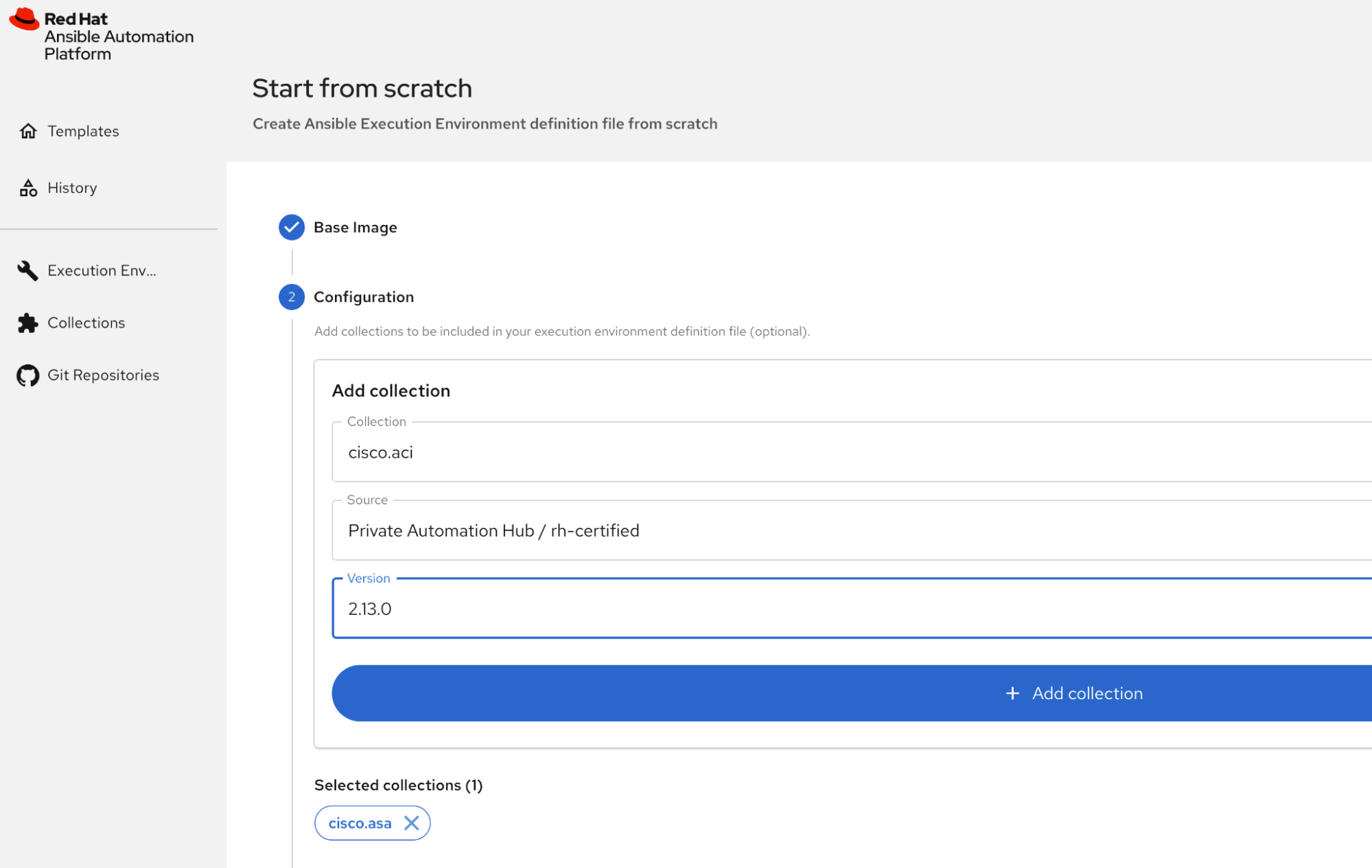
Image 2: Provide the source and version of your desired collection(s).
Content Discovery Guide: Your unified automation catalog
Enterprise automation content naturally fragments over time, tucked away in private automation hubs, hosted on public Git providers, or fragmented within individual teams. The content discovery engine bridges these gaps by syncing everything into a single, searchable catalog.
- Continuous synchronization: The platform automatically discovers custom collections across your organization’s GitHub and GitLab environments, alongside certified and validated collections from private automation hub.
- See before you build: Browse existing collections and repositories before writing new code, preventing redundant work and maximizing content reuse.
- Direct pipeline integration: Discovered, trusted collections populate the platform’s creation tools natively. When spinning up a new execution environment, developers can jumpstart the process by selecting from known, vetted assets.
- Deep visibility: From the centralized catalog view, trace playbooks, track continuous integration (CI) activity, and access direct source links across your repositories.
- The foundation layer: Content is discovery is the foundation layer for our broader, end-to-end Ansible content management vision. In future releases, we will expand this into a full lifecycle solution that guides developers from initial discovery through authoring, validation, and monitoring content performance in production.
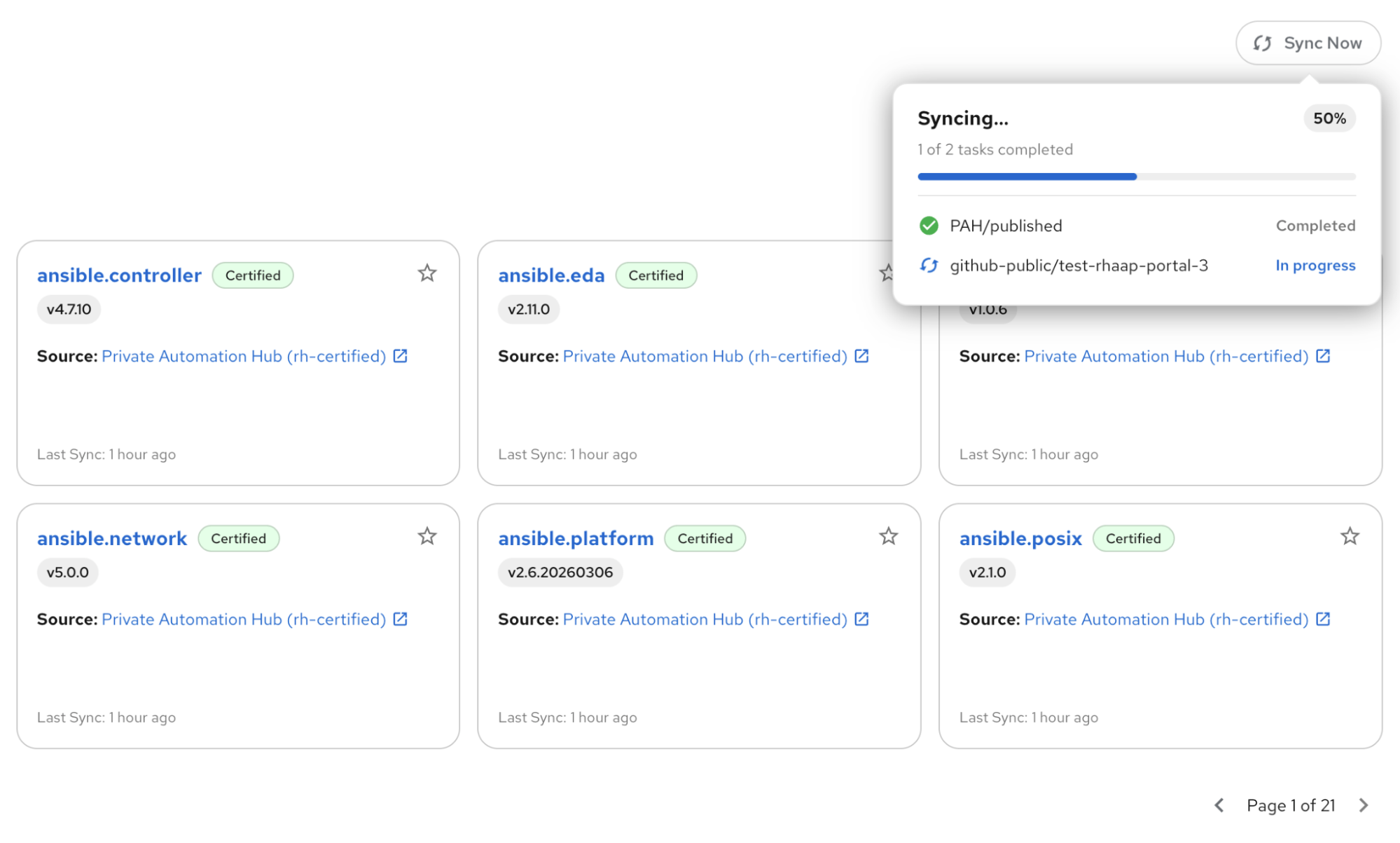
Image 3: Sync repos from GitHub and Private Automation Hub
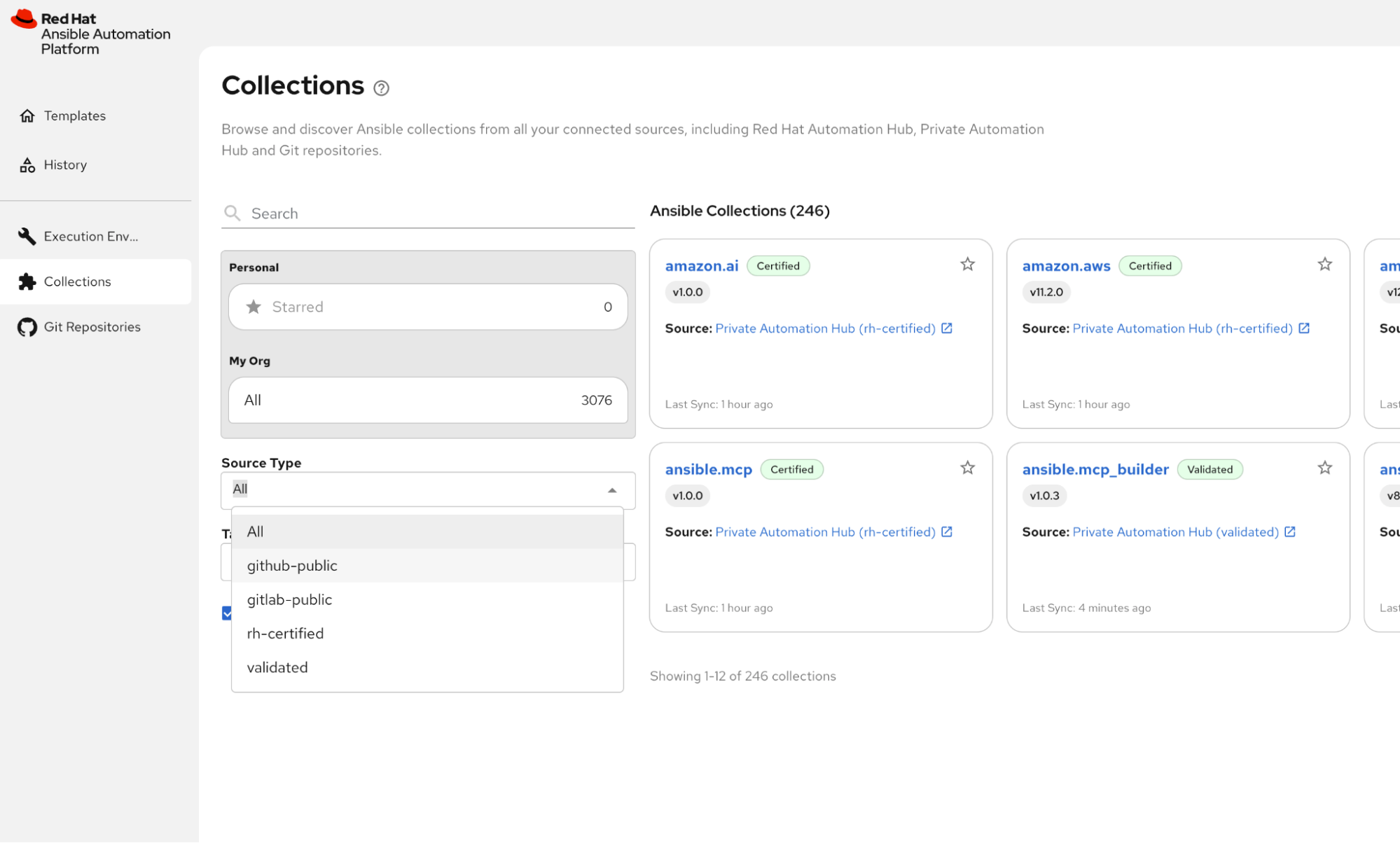
Image 4: View collections from GitHub and Private Automation Hub
Governance by design: Keeping admins in control
Together, these features boost productivity of developers and domain teams without compromising security or architectural standards. Ansible Automation Platform 2.7 enables platform administrators to retain full control over enterprise-wide usage.
- Predefined scoping: Administrators select exactly which external Git repositories and automation hubs are discoverable, applying custom filtering to fit corporate boundaries.
- Controlled visibility: Dictate what content is visible to specific domain teams (such as SecOps or CloudOps), so teams only use vetted, relevant automation.
- Configurable scheduling: Run syncs on demand or on a customizable, automated schedule, with complete administrative control over timing and frequency.
Getting started
To take advantage of the new visual execution environment builder and content discovery capabilities, your environment needs to meet these baseline requirements:
- Platform version: Ansible Automation Platform 2.5 or higher
- Installation environment: Red Hat OpenShift Container Platform or Red Hat Enterprise Linux (RHEL) virtual machines (VM) appliance
- Connectivity: Source Control Management (SCM/Git) access for discovery syncs and repository operations
By unifying content discovery and visually stabilizing how you package automation, Ansible Automation Platform 2.7 removes operational overhead from platform engineering, freeing your developers to focus on writing high-value automation that moves the business forward.
