 Internet Connectz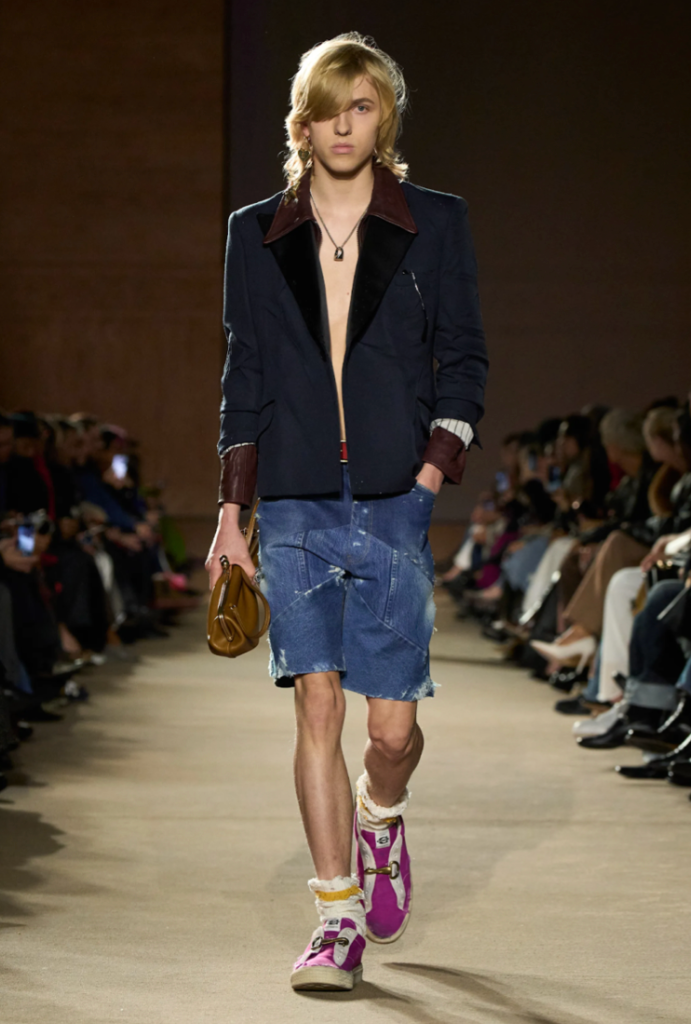
Of course, many styles from the 2010s are inspired by decades previous, and you can even see those influences in this newest Coach runway. Flared jeans and granny dresses screamed 70’s, and velvet dresses and combat boots gave me a 90’s witchy vibe. Regardless, it seems like the 2010’s revival has been long overdue. Many
Of course, many styles from the 2010s are inspired by decades previous, and you can even see those influences in this newest Coach runway. Flared jeans and granny dresses screamed 70’s, and velvet dresses and combat boots gave me a 90’s witchy vibe.
Regardless, it seems like the 2010’s revival has been long overdue. Many started the year extremely nostalgic about one that came a decade prior: 2016. Social media was flooded with posts about 2016 fashion, makeup, and popular trends from a time in America that was extremely different from today.
But is this concrete evidence that our trend cycles are getting shorter? Most trends used to obey the 20-year rule, which says they recycle roughly every 20 years. But with the rise of social media, experts speculate that the trend cycle has been getting shorter, down to 10 or even 5 years.
A Vice article suggests that microtrends on social media have made popular culture way more of a melting pot than it was before. According to TrendBible, a microtrend is a “niche or industry-specific consumer behavioural trend which is mass market ready and actionable”. The vice article goes further and says that microtrends group certain behaviors, fashion and ideas together to create a hyperspecific aesthetic, causing the origins of the original idea to become lost.
Tom Crisp, a fashion lecturer at Falmouth University, also suggests that there is an emotional element to microtrends, which is helping to speed up the trend cycle.
“The trends prey on our insecurities about the way we look and feel,” he says, “encouraging us to consume more in order to stay on trend.”
And the emotional element makes people want to spend more and more to be on trend, and social media algorithms push it forward. An article from Fibre2Fashion suggests that there is three main ways that microtrends impact people emotionally: instant gratification, social validation, and targeted algorithms.
It says that micro trends give the brain a feeling of instant satisfaction from buying in, and the cycle continues over and over when engaging with them. They also deepen the connection that fashion has with social identity, and can give people anxiety about being left behind in being on trend. Finally, targeted social media algorithms highlight trending styles and continue to put things on your feed over and over again, even if you engage with it once, heightening the sense of urgency and popularity surrounding the trend.
Honestly, though, I think the biggest emotional element at play in the 2016 trend is just nostalgia.
Strike Out,
Trinity Talton
Saint Augustine
Editor: Kaya O’Rourke
Trinity Talton is a writer for Strike Magazine St. Augustine. When not writing, they can be found watching anime, making jewelry, or hitting up the thrift store. Trinity also really loves being out in nature, listening to K-pop (Loona is the best), and is currently learning how to sew! You can catch them on Instagram @triniamaraa.









Leave a Comment
Your email address will not be published. Required fields are marked with *