
You May Also Like

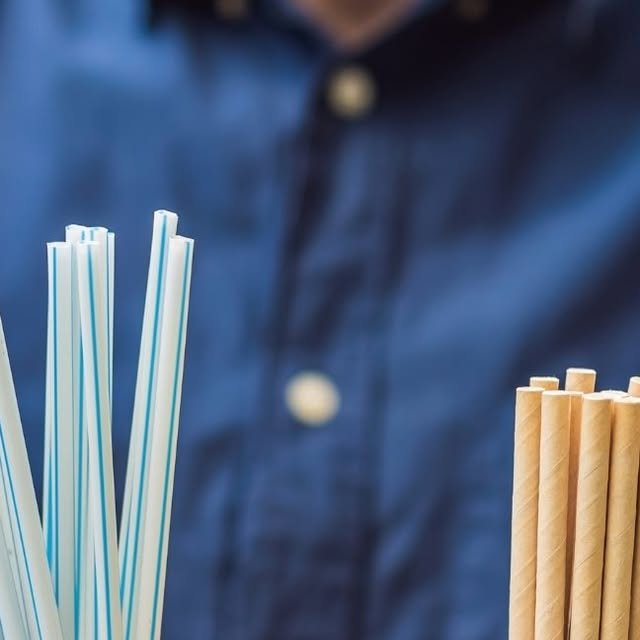
Researchers compared four types of straws across 16 environmental categories, tracking each from production to disposal. Conventional plastic straws had the lowest impact in 10 of them, including climate change, human toxicity, and particulate matter.
Paper straws’ emissions had more than six times the cancer-causing potential of plastic and about twice the impact on soil and water acidity. Those scores reflect each straw’s full life cycle, not any risk from using it. The study was commissioned by South Korea’s Ministry of Climate, Energy and Environment.
Because they’re so small, straws of every material, including paper, often slip through the sorting machines and end up not getting recycled. Additionally, water-resistant coatings and bonding glues prevent them from breaking down easily, requiring more energy during processing and leaving the possibility that microplastics could end up in the recycled pulp anyway.
Kim Wi-sang, an opposition lawmaker who released the study, blamed the government for chasing substitute materials instead of cutting single-use items.
The European Union, Taiwan, and Hong Kong have banned plastic straws, and Japan has passed legislation to cut plastic consumption. South Korea has delayed its own ban since 2021. President Trump pushed for plastic straws in a 2025 executive order, reversing Biden-era policy.
