
You May Also Like
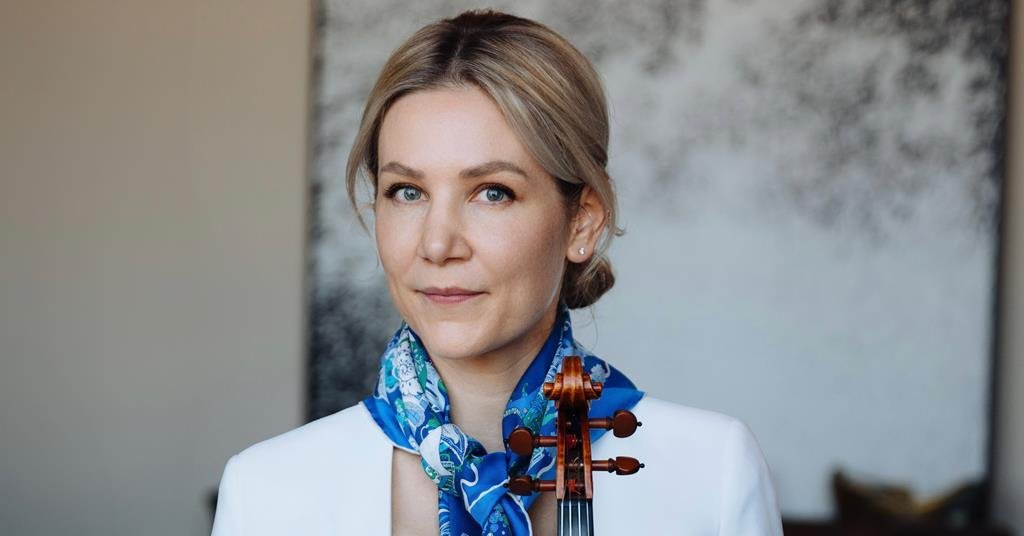
Mike Mikkelsen, known to many as Kapacity Mikey, has spent more than 25 years helping shape Ottawa’s hip-hop community. As a co-founder of Kapacity Entertainment, he helped bring hundreds of artists to the nation’s capital while producing more than 1,000 concerts, festivals and cultural events. Today, his focus has shifted toward a new chapter, one shaped by recovery, purpose and a renewed commitment to Ottawa’s creative community.
Long before Kapacity was formed, Mikkelsen and the late Jeremy Pigeon were promoting shows as Four Corners Productions, while Graeme Bradley and DJ Illo operated under the Nocturnal Emissions banner. After joining forces to bring Jeru the Damaja to Ottawa, the four launched Kapacity Entertainment, beginning a partnership that would help shape the city’s live music scene for years to come.
HipHopCanada has had the chance to witness much of that journey firsthand. We were there to cover Kapacity’s inaugural show at Babylon in June 2000, and over the years we’ve attended, covered and sponsored many of the company’s concerts, festivals and community events. Watching Mikkelsen’s journey unfold alongside Ottawa’s hip-hop scene has made this interview especially meaningful.

Mike Mikkelsen (Photo: LifeofBadNews)
In October 2024, Mikkelsen’s life changed when he suffered a hemorrhagic stroke that left him facing years of rehabilitation. Throughout his recovery, the support he received from family, friends, artists and the wider community reinforced the relationships he had spent decades building through music.
Now, Mikkelsen is focused on the next chapter. While his recovery continues, he’s gradually taking on projects that matter most to him, including this year’s House of PainT and Respiration, an immersive event series inspired by his recovery that celebrates Ottawa’s creative community. The project reflects the perspective he gained after his stroke, bringing together artists, businesses and collaborators while channeling perseverance into art.
With House of PainT returning this weekend beneath the George Dunbar Bridge along Bronson Avenue next to Carleton University, it felt like the right time to catch up with Mikkelsen. In this conversation with HipHopCanada, he reflects on the early days of Kapacity, his recovery from a life-changing stroke, fatherhood, community, and the purpose guiding this next chapter.

Photo: LifeofBadNews
Mike Mikkelsen Interview
HipHopCanada: It’s a blessing to be sitting down with you today. A lot of people in Ottawa were devastated to hear about your hemorrhagic stroke in 2024, and it’s been great to see you back on your feet and involved in the scene again. First off, thanks for taking the time to speak with us, and welcome back. For anyone who might only know “Kapacity Mikey” by name, can you tell us a little about yourself, where you grew up and how you first got involved in Ottawa’s hip-hop community?
Mike Mikkelsen: Thank you for the kind words, Jesse. First and foremost, I am a dad to my two boys, Quincy (5) and Miles (3). Beyond that, I am someone who has always been deeply passionate about entrepreneurship, sports, and the arts.
I was born in Montréal to Italian and Norwegian parents, but grew up in Ottawa’s East End. From a young age, I was deeply rooted in all the elements of hip-hop. By high school, my peers were DJing, breaking, MCing, or writing graffiti. We were completely obsessed with the culture.
In 1997, I saw Boot Camp Clik’s first tour at Liquid Monkey, and it truly changed my life. That was the moment I realized I wanted to produce live hip-hop shows featuring international headliners. By 2000, Kapacity Entertainment was born, kicking off with our very first show featuring Jeru the Damaja at Babylon.

HipHopCanada: One of my earliest memories of covering your events was that BrassMunk show in Orléans. Looking back on those days, what stands out to you about the beginning of your journey as a promoter, and did you ever imagine it would lead to everything you’ve accomplished since?
MM: That was my second show ever. I was still Four Corners Productions with Jer Pigeon (RIP). It started out as a school accounting project for me. I was already active in the local scene and I thought it would be a good idea to bring BrassMunk down from Toronto to perform in Orléans. The show was a success but there was crazy drama that night! I’ll save that story for another interview [Laughing]. Shout out to BrassMunk though! Looking back now, I realize how young I was and how incredibly lucky I was to have so many amazing OGs embrace me and pave the way. I’m so grateful for those who stood behind me and supported me from day one.
HipHopCanada: Kapacity Entertainment has always been as much about partnership as it has been about promotion. You and Graeme have built something that’s had a lasting impact on Ottawa’s music scene. What’s made that partnership work for so many years, and what has Graeme’s friendship and support meant to you, especially throughout your recovery?
MM: Partnership and community have always been important to us. Early on, we recognized that we couldn’t do this alone. We needed to network and focus on building strong relationships. Business rarely came between us because our friendship was always the priority; he’s always been a big brother to me. Since my stroke, he really stepped up. His support has meant everything; he showed up at the hospital every single day for months while I was recovering. Honestly, I’m not sure I’d be here without him.

Left: Mikkelsen with Sean Price (RIP) and Bender (RIP) | Right: Mikkelsen with Ghostface Killah
HipHopCanada: You’ve been behind some of the biggest hip-hop concerts, festivals and nightlife events Ottawa has ever seen. When you look back over your career, what are a few moments that still make you stop and think, “Yeah… we really pulled that off”?
MM: It’s wild to look back on over 1,000 shows, but certain moments really stand out. We managed to book every single member of Wu-Tang Clan individually over the years, except for ODB (RIP). Having to navigate cross-border logistics and dealing with customs officers after 9/11 to get our international artists into Canada was always an interesting experience, to say the least. Making those massive nights happen made it all worth it. In 2006, we brought Method Man & Redman to the Civic Centre. It was our very first arena show, and that was such a surreal experience. I’ll never forget the shock when G and I saw a $30,000 bill for the room rental. In 2016, I had the honour of booking an 8-city, national Canadian Dilla tour with Ma Dukes, Illa J and Frank-N-Dank to celebrate his life and music.
HipHopCanada: For years it felt like you were everywhere, but before the stroke you’d stepped back from the spotlight a bit to focus on family life. What did that chapter look like for you?
MM: After Ritual closed, I decided to step back and take a regular full-time job, so I could give my boys stability. Having given so much time and energy to the music and arts community for so long, we were all feeling worn down. Stepping back for my family felt like the absolute right decision. I didn’t want to spend my nights in nightclubs anymore. I wanted to be home with my young family.
HipHopCanada: October 2024 changed everything. Looking back now, what do you remember about that day, and what has the recovery journey been like since?
MM: I remember that day quite clearly. I was scheduled to announce a new Ottawa hip-hop festival that morning with my boy Sami from Flava Factory. Instead, I woke up to a stroke, finding myself on the floor for eight hours, having no idea what was happening to me. I lost the ability to walk and kept trying to pull myself up, collapsing repeatedly.
Looking back, I wish I had called someone, but I was in complete confusion. After the tragedy to my health, I really want to raise awareness among younger people about stroke risks and taking care of your health. The recovery process has been anything but easy, I’m taking it one day at a time.

Mikkelsen with Johnny Ng, Techtwelve and Big Noyd
HipHopCanada: From the research I’ve done, there’s a lot to suggest that recovering from a hemorrhagic stroke is as much mental as it is physical. What were some of the biggest challenges people might not realize come with an experience like that?
MM: The physical side was severe. I was paralyzed on my left side and suffered from malnutrition during my three-month hospital stay. The mental battle was just as intense. Dealing with depression, processing the temporary separation from my boys, and navigating the emotional toll was a massive challenge that people don’t always see from the outside.
HipHopCanada: You mentioned that your biggest motivation was getting healthy enough to be present for your boys. How much did fatherhood shape your mindset throughout rehab and recovery?
MM: Every day through rehab, I used them as my daily motivation, and it continues to this day, as I am still recovering in my post-stroke journey. That drive pushes me through rehab every single day so I can get back on my feet.
HipHopCanada: Was there ever a point where you wondered whether you’d be able to return to producing events, or did you always believe you’d find your way back?
MM: I never felt like I was completely done with event production; my priorities just shifted.
I reached a point where I needed stability, and show business is anything but stable. Even though my focus changed, producing events is in my blood. It keeps my mind engaged, and I’m always thinking about the next creative project. Moving forward, it’s not about doing hundreds of shows anymore; it’s about curating the right shows that hold real meaning.
HipHopCanada: You received an incredible amount of love from Ottawa’s music community while you were recovering. Were there any messages, visits or moments of support that really stuck with you?
MM: The overwhelming support and outreach got me through my darkest days. Having respected hip-hop legends like Masta Ace, A-Plus from Souls of Mischief, and the OG Rickey D from Montréal reach out and consistently check in on me boosted my spirit in the hospital. My people kept in touch continuously, reminding me that I wasn’t alone in that fight, like my homeboy DJ Illo.

Mikkelsen with David “Gordo” Strickland, ManoSoundmachine, Bless, Eric Sermon (EMPD), Aspects, Jesse Plunkett (HIpHopCanada), Marco Polo, and Parrish Smith aka PMD (EPMD) at House of PainT in 2016 (Photo: VRivera Photography)
HipHopCanada: What’s something you appreciate today that you don’t think you appreciated enough before your stroke?
MM: It might sound cliché, but my health and my time. Health really is wealth, and I’ll never take it for granted again. My family and the community that rallied around me when I needed them most are 100% the reasons why I am fighting to get back.
HipHopCanada: You’ve described your return as something deeper than simply making a comeback. What does this next chapter represent to you personally? Which events/plans are you most excited about?
MM: Early in my career, it was purely about putting on shows. This chapter is all about community, purpose, and giving back to the next generation. There has to be intention behind what I do. I’m incredibly excited to be music programming this year’s House of PainT festival (August 21st to 23rd) and working on something special with Cranium Festival (September 9th to 13th). Success now is measured by impact, not just ticket sales. Purpose and concepts over just having a show.
HipHopCanada: House of PainT has been an important part of Ottawa’s cultural identity for years, and people were excited to hear you’re back programming the festival. How does it feel to be involved again, and what can people expect?
MM: House of PainT is something that I hold close to my heart, ever since its inception. As Ottawa’s only elements of hip-hop festival, its cultural legacy means everything to me. This year, our theme is “Deconstructed,” focusing on rebuilding and reconnecting with our roots. We’ve reunited an incredible team of people who were involved during the golden era. The festival features headliner DJ Nu-Mark of Jurassic 5 from Los Angeles, alongside an outstanding lineup of Canadian and local talent.
HipHopCanada: You’ve watched Ottawa hip-hop evolve over several decades. How has the scene changed from when you first started promoting shows compared to the city you’re coming back to today?
MM: It wasn’t easy, we had to build our reputation up, which took years. It started with a few shows, eventually leading us to putting on 100-200 shows a year. The volume of shows back then was unbelievable, and the underground scene was really thriving. My goal today is to bridge that gap, blending the old-school spirit with the energy of the new generation. It’s about quality over quantity and cultivating a genuine sense of community.

Photo: LifeofBadNews
HipHopCanada: You’ve always had a good eye for talent. Are there any Ottawa or Canadian artists you’re especially excited about right now that people should be paying attention to?
MM: I’ve been listening to Daniel Son (@dissbbm) from Toronto, Nicholas Craven (@nicholascraven819) from Québec and jev. (@thelonerjev) from Ottawa lately. I am looking forward to seeing more local emerging talent like Yujen (@itsYujen), who’s scheduled to perform at this year’s House of PainT.
HipHopCanada: You spent years running Ritual Nightclub, which became home to countless unforgettable nights in Ottawa. Do you ever miss running a venue like that, and is opening or operating another club something you’d ever consider?
MM: We had an incredible run and created unforgettable memories, but I don’t miss the day-to-day grind of nightclub life. While you can never say never, my health and family are my priorities right now. I have zero regrets about my journey. I welcome new opportunities outside of my comfort zone that feel right moving forward.
HipHopCanada: You recently helped organize the FIFA World Cup watch party series at Heart & Crown. How did those events turn out from your perspective, and who were you cheering for throughout the tournament?
MM: It was an absolute success! I loved collaborating with the Heart & Crown team, using my passion for soccer and event hosting. It was the perfect project at this stage of my recovery. As for the matches, I was cheering for England, Brazil, and my dad’s home country of Norway!
HipHopCanada: You’ve built your career around bringing people together. After everything you’ve experienced over the past couple of years, has your definition of community changed?
MM: Early on, we didn’t sit down in meetings to discuss “community-building”; it just happened organically. Going through recovery showed me how real and vital that network is. That very community carried me through my hardest moments, and living through that experience deepened my gratitude for the culture we built together; it makes me extremely proud. My definition of community didn’t change; it evolved.
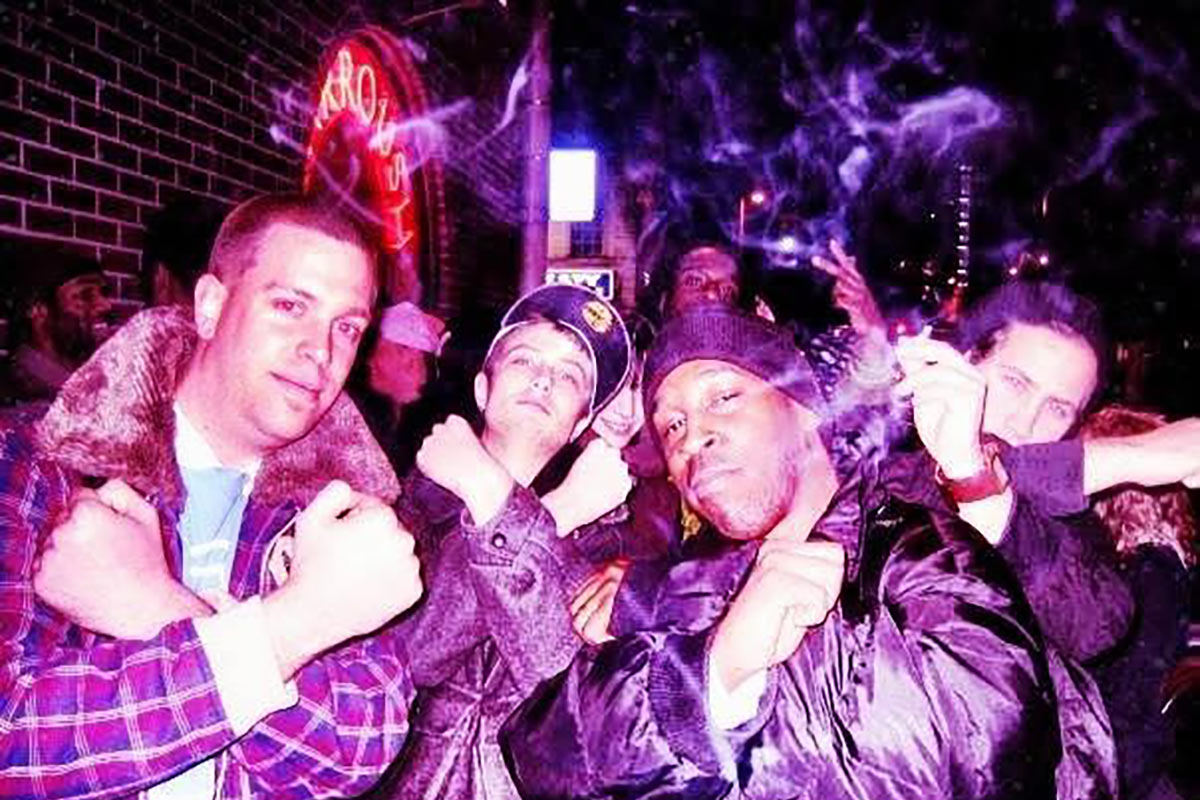
Mikkelsen with DJ Illo, DJ Drastik and Grandmaster Roc Raida from the X-Ecutioners (RIP) outside of Heaven Nightclub
HipHopCanada: If someone is reading this who’s dealing with a major health setback of their own, what’s something you’ve learned through this journey that you hope might help them?
MM: Never give up. You have to channel your pain into motivation. You face a choice: lie there and quit, or find your purpose. Recovery is rarely linear, but learning resiliency and staying focused on your purpose will carry you through.
HipHopCanada: Looking ahead, what does success look like now? What are you hoping to build over the next few years?
MM: Success to me today means living a full, healthy life where I am fully present for my boys. It’s being healthy enough to build meaningful memories with my loved ones, while continuing to contribute to creative projects that matter.
HipHopCanada: Is there anything fans, friends or the Ottawa community don’t know about your journey that you’d like people to understand?
MM: It has been exponentially harder than anyone could imagine. There were invisible struggles and obstacles that I have to fight through every step of the way, but I am still standing. I am profoundly grateful for a second chance at life with my health, my friends, and family.
HipHopCanada: Finally, you’ve spent years creating moments for other people. When it’s all said and done, what do you hope people remember most about what you brought to Ottawa’s music scene?
MM: I want people to remember that I helped put our city’s underground music scene on the map, did it with a lot of love, hard work and respect for the culture.
House of PainT 2026

