


You May Also Like
Want to bookmark your favourite articles and stories to read or reference later? Start your Independent Membership today.
Already a member?
Log in
The phone camera zooms in until the flames roaring out of a pair of white running shoes fill the frame. Within a matter of days, social media seemed preoccupied with various – often violent – ways to dispose of New Balance trainers. Some people pretended to flush them down the toilet; others opted to throw them in the rubbish bin; but the most visually shocking was the burning.
The now-infamous sneaker backlash of 2016 was in response to a comment that an executive at the shoe company made to The Wall Street Journal. New Balance manufactured some of its shoes in the US and opposed a trade agreement that President Obama supported, known as the trans-Pacific Partnership.
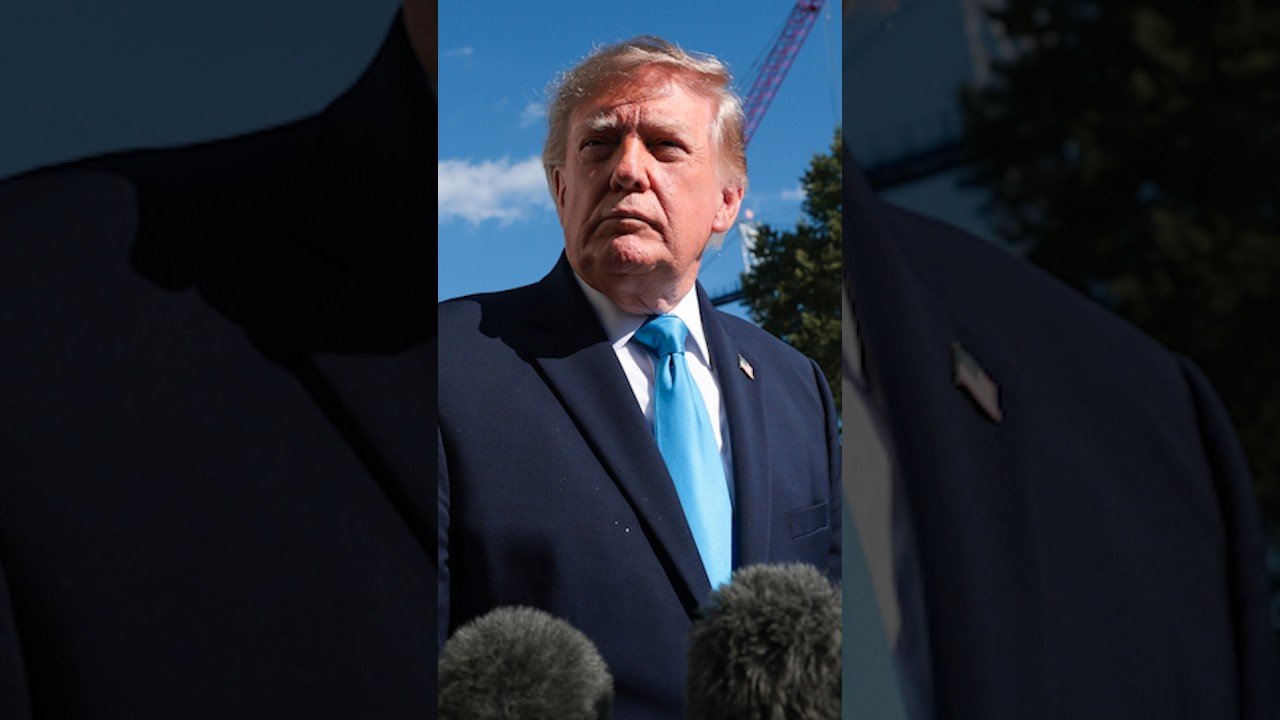
After Donald Trump’s election, New Balance’s Matthew LeBretton told the newspaper: “The Obama administration turned a deaf ear to us, and frankly, with President-elect Trump, we feel things are going to move in the right direction.” While not everyone disagreed with him (some online commentators posted things like “Thanks for your efforts to support American workers”, news coverage described the response variously as an “online firestorm”, a “backlash” and “fiery outrage”.
According to Numerator, which monitors consumer behaviour, 38 per cent of American consumers boycotted at least one product, brand or store in the last year, up from a quarter in 2017, Trump’s first year in office, while almost half said they would stop buying from a company whose social or political stances didn’t align with theirs.
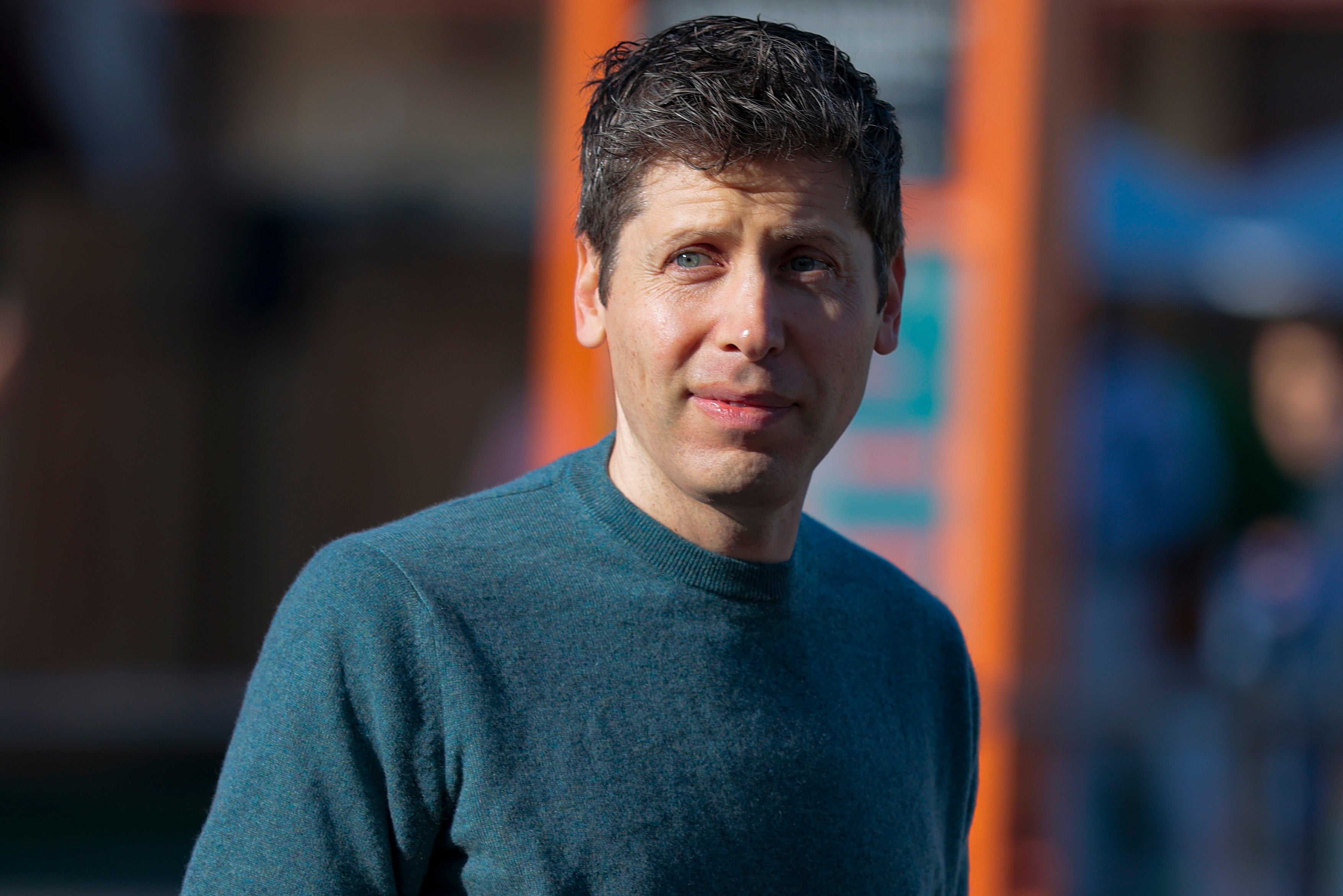
The latest boycott is “QuitGPT”, a grassroots boycott and advocacy movement urging users of OpenAI’s ChatGPT to uninstall the app and unsubscribe. It began after OpenAI signed an agreement with the US Department of Defence to deploy its systems on classified networks; its president, Greg Brockman, donated $25m to MAGA Inc.; and it was revealed that immigration enforcement agency ICE uses its tools in its screening operations.
Boycotts have become a hallmark of Trump’s first and second terms. In 2017, the #GrabYourWallet movement (named after Trump’s “grab her by the pussy” comment) targeted his daughter Ivanka’s brand. Stores like Nordstrom and Neiman Marcus ditched her products, and Ivanka saw a 32 per cent decline in sales. By 2019, three years on from the New Balance boycott, and well into Trump’s first term, the pendulum had begun to swing dramatically and CEOs began publicly echoing Democratic causes, tweeting about voting rights, women’s reproductive health, and LGBTQ+ issues. The following year, following public outcry over the police killing of George Floyd in Minneapolis, they would post about Black Lives Matter too. Tech executives too followed suit. They were the top political donors in the 2020 election, spending most of their money helping Democrats take control of the Senate.
Early last year, retail giant Target was caught in the crosshairs after it rolled back its diversity, equity and inclusion (DEI) policies following pressure from Republicans. The result was a 16 per cent decline in foot traffic and a 40 per cent drop in sales. This was compared to the figure of Costco’s foot traffic, which defended its DEI policies and saw its footfall grow for 13 straight weeks. By the end of the year, it was the turn of national hardware store Home Depot, after protesters said it was complicit in allowing ICE agents to detain workers on its properties.
A “Tesla Takedown” grassroots protest movement also emerged in response to Elon Musk’s involvement in the second Trump administration. According to data from research firm S&P Global Mobility, following Musk’s political alignment with Donald Trump and his former role in the federal government, Tesla’s customer loyalty rate fell from a peak of 73 per cent in June 2024 to around 50 per cent in March 2025.
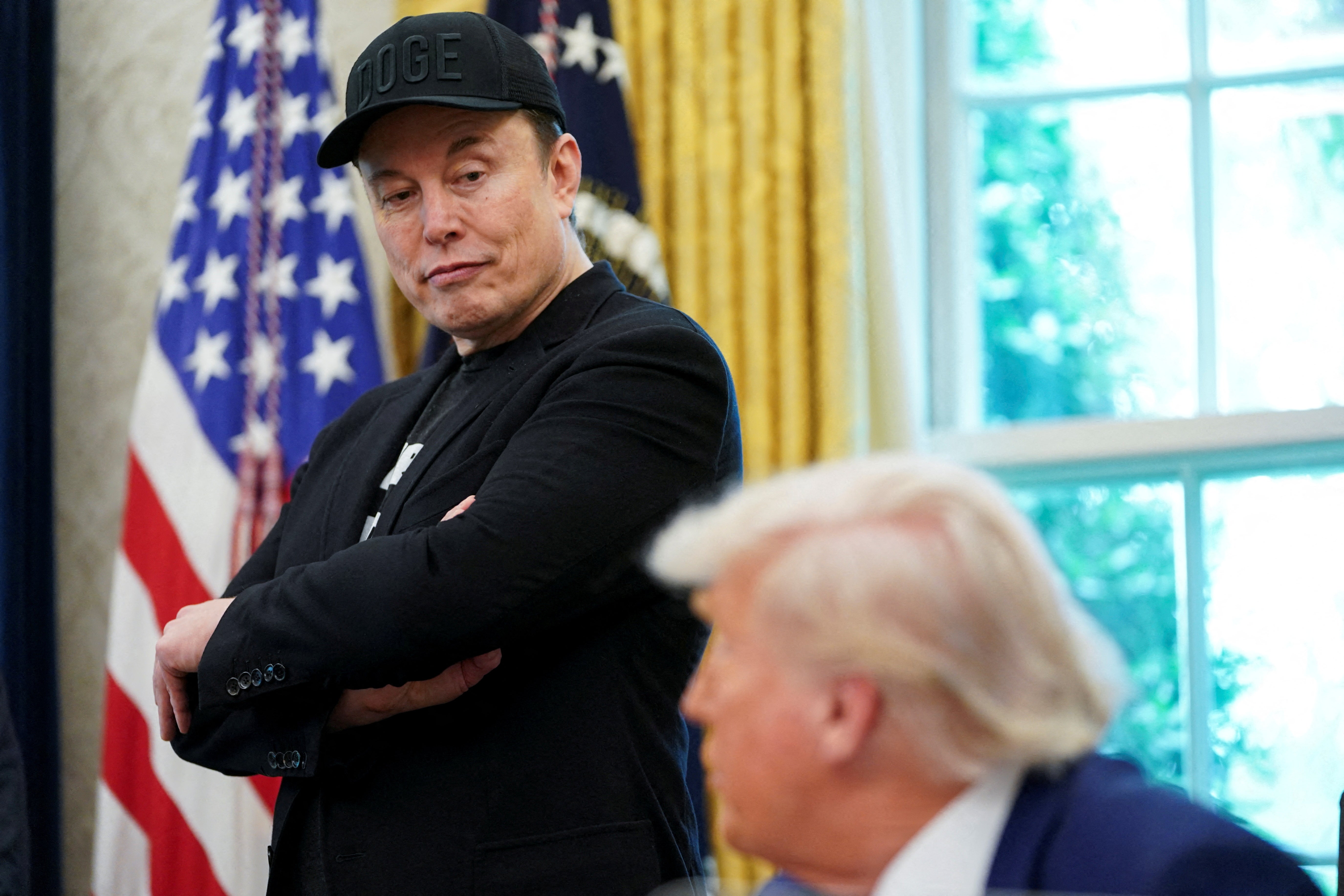
An S&P analyst called it “unprecedented” to see the runaway leader in customer loyalty fall so quickly to industry-average levels, saying: “I’ve never seen this rapid of a decline in such a short period of time.” The National Bureau of Economic Research reported that Tesla lost 1 to 1.26 million vehicle sales in the US. In addition, its brand value fell by 36 per cent.
Now, with the midterms just a few weeks away, experts are predicting a stark contrast between this election cycle and the end of Trump’s first term. Not wanting to be tainted by Trump’s toxicity, companies will largely try to avoid any hint of partisanship. But will staying silent ahead of the upcoming elections be enough for some high-profile brands, particularly those with a perceived allegiance to a deeply divisive president whose approval rating currently hovers around 32 per cent?
They know there remains a chance that a vindictive Trump could still inflict damage if they upset him.
While it might seem logical that CEOs would choose to back the winning horse, Harvard Business School’s Elisabeth Kempf, who studies political partisanship and polarisation in the finance world, says that “not having the current administration on your side can be very costly in a lot of ways”. And even if he experiences the heavy losses that are predicted, Trump still has two more years in office. “You can be publicly called out, or tariffs can be put on the type of products you outsource. I think there’s been this realisation that there are a lot of levers [Trump can pull] and upsetting the administration can still be very costly.”
[CEOs] know there remains a chance that a vindictive Trump could still inflict damage if they upset him.
Kempf explains why modern CEOs find themselves in an impossible position where traditional neutrality has completely evaporated: there’s a feeling that you’re damned if you do, damned if you don’t. “Whether you speak out [on an issue] or not, you’re going to alienate one side, and so you just pick which one is less costly for you to upset,” she tells The Independent.
But trying to play Switzerland wasn’t always the game plan. Kempf points to a 2018 open letter to the CEOs of the world’s biggest public companies, penned by Larry Fink, head of BlackRock, the world’s largest investment company, as a turning point.
“Society is demanding that companies, both public and private, serve a social purpose,” he wrote. “To prosper over time, every company must not only deliver financial performance, but also show how it makes a positive contribution to society.”
Kempf says observers noticed a shift in the investor mindset. Suddenly, “it was easier for managers to … speak out on issues”, she says. The CFO of Citigroup said that Black people were too often denied “fundamental human and civil rights”, and Jamie Dimon, CEO of JPMorgan Chase, said he was “committed to fighting against racism and discrimination wherever and however it exists”.
However, the mood changed dramatically after Trump issued an executive order on the first day of his second term directing the elimination of diversity, equity and inclusion programmes within the federal government and threatening to punish private entities too. Shortly after being sworn in, former attorney general Pam Bondi issued a memo to Justice Department staff stating that the department would “investigate, eliminate, and penalize illegal DEI and DEIA preferences” at private companies and universities that receive federal funds.
Since then, large corporations have duly fallen into line, and CEOs are much less likely to speak out on issues for fear of retaliation for appearing too woke, which initially may have made sound business sense.
Kempf says one study showed that consumers react in a very polarised way when a company takes a stance on an issue. Perhaps understandably, those who are aligned with that stance consume more of the company’s products, while those who aren’t consume less. But, she says, what was interesting was that it depended a lot on the reason why companies spoke out. “When it was triggered by external events is when you see a negative,” she says. “What’s hard for companies is when one side is putting pressure on them to speak out and then essentially neutrality evaporates. So they either speak out or they don’t, but whichever they choose, they’re kind of sending a signal, and so this ability to remain neutral is gone.”
Whether you speak out [on an issue] or not, you’re going to alienate one side, and so you just pick which one is less costly for you to upset
Elisabeth Kempf, Harvard Business School
However, a growing and vocal backlash against companies that are seen as too aligned with the Trump administration means consumers know they can vote with their wallets. A poll last year showed that more Democrats (50 per cent) than Republicans (41 per cent) said they were changing their spending habits. Democrats were also more likely to say they had stopped shopping at companies whose political views opposed their own: 45 per cent of Democrats said they had done so, compared with 34 per cent of Republicans.
Voters with liberal views in America are increasingly interested in how their neighbours across the border are making a stand. The Canadian boycott of US goods intensified in recent weeks after trade talks broke down and Trump signed an executive order renaming Lake Ontario “Lake America”. Ontario supermarket Vince’s Market now boasts that 90 per cent of its produce is Canadian, and a “Made in Canada” Facebook group has grown to over 1.5 million members who share Canadian alternatives to US goods. What’s more, Canadian travel to the US fell by 25 per cent by this summer.
A whole Reddit thread was alive with discussion of how Americans could make a stand by buying only American products in blue states or actively looking for European or Canadian goods, even if Trump’s tariffs made them significantly more expensive. One commentator captured the mood by saying: “As funny as that sounds, it’s literally the worst thing you could do for America’s economy, and probably the fastest way to bring Donald to his knees is threw (sic) the economy.”
Boycotts, however, have more of a symbolic impact than an economic one. Brayden King, a professor at Northwestern’s Kellogg School of Management, found that, overall, they did not reduce sales to any significant degree. Despite this, a third of the companies targeted by consumer boycotts did end up changing their policies or business practices because of them. And shareholders don’t like it.
In a polarised America, even decisions that companies assume are just a regular part of doing business can be a minefield. “Should they pass on tariffs to consumers? Where do they locate their production or source their products? Here they are not taking very public positions on partisan social or political issues,” Kempf says. Yet they can become publicly targeted.
One thing is certain: every calculation that CEOs have made during Trump’s second term in office has likely been based on the assumption that Trump is still the power to fear. But if the midterms go the Democrats’ way in three weeks, those companies that decided backing his administration was the less costly choice may find the odds are no longer in their favour.
In 1990, after his refusal to take a side during a heated political race, NBA star Michael Jordan famously said, “Republicans buy sneakers, too.” If that was once the wisdom of corporate America, it may not be any more.
