
You May Also Like


Living with chronic joint pain can make life feel smaller, one step at a time. Many Americans dream of an active life again. But, thanks to new medical tech, this dream is becoming a reality.
We believe that every patient deserves a future defined by movement, not limitations.
The world of orthopedic care is changing fast. New tech like robotics and digital planning are making recovery more personal. Many know about robotic knee replacement surgery. But these advances are also seen in fields like spine surgery.
We combine data and care to help patients feel confident in their treatment. Our aim is to support you, keep you informed, and help you move freely again.
Key Takeaways
- Technological advancements are significantly improving outcomes for orthopedic patients in the United States.
- Robotic-assisted procedures offer a higher level of precision compared to traditional methods.
- Personalized care plans are essential for achieving long-term mobility and comfort.
- Modern surgical innovations prioritize faster recovery times and reduced post-operative pain.
- Evidence-based medical guidance provides patients with the confidence needed to make informed health decisions.
The Evolution of Orthopedic Care in the United States
The field of joint replacement surgery is moving towards more personalized care. For years, orthopedic procedures followed a standard path. Now, doctors understand that each patient is unique, with their own anatomy and lifestyle goals.
Shifting from Traditional Methods to Precision Medicine
Old orthopedic methods used general surgical plans for the average patient. These plans helped many but ignored the unique details of each person’s body. Precision medicine has changed this by using advanced data to create custom plans for each patient.
Today, surgeons use advanced tools to understand each patient’s needs before surgery. This ensures implants fit perfectly. This new approach is better for long-term joint health.
The Role of Patient-Centered Outcomes in Modern Surgery
Modern surgery focuses on patient-centered outcomes more than just fixing joints. Success is now about how well a patient can do what they love. This could be hiking, gardening, or just walking without pain.
This change shows a bigger commitment to care that respects the patient’s lifestyle. By matching surgery goals with what patients want, care becomes more holistic. Here’s a table showing the differences between old and new approaches.
| Feature | Traditional Approach | Modern Precision Medicine |
|---|---|---|
| Surgical Planning | Generalized templates | Patient-specific 3D modeling |
| Primary Goal | Mechanical joint function | Functional lifestyle restoration |
| Outcome Focus | Short-term pain relief | Long-term joint longevity |
| Patient Role | Passive recipient of care | Active partner in recovery |
Robotic Orthopedics and the Precision Revolution
The world of surgery is changing fast with robotic orthopedics. This new tech lets surgeons do more than just manual surgery. It brings a level of customization to each patient’s care.
By combining smart software with surgical skills, teams can now get better results. These results were once hard to achieve.
How Mako SmartRobotics Enhances Surgical Accuracy
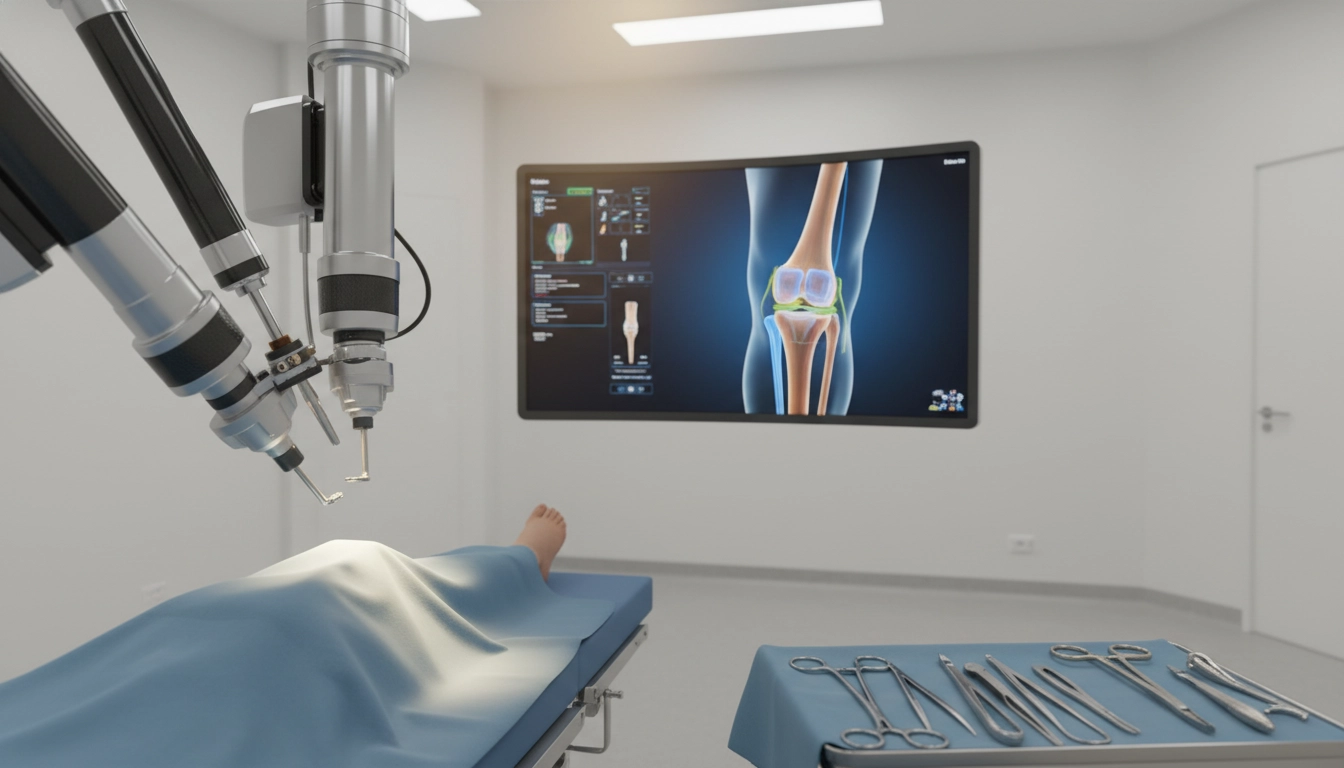
Mako SmartRobotics is a key player in this change. It uses 3D maps to plan surgeries before they start. This means implants fit perfectly with each patient’s body.
During surgery, the system gives real-time updates to the surgeon. This helps make sure the knee joint is aligned just right. It makes sure the implant works well with the patient’s movements.
Reducing Human Error in Complex Knee Procedures
Robotics in orthopedics cuts down on mistakes. Even top surgeons face challenges due to body differences. The robot keeps tools safe and on track.
This tech makes surgeries more reliable. It’s key for patients wanting lasting results. Remember, robots help surgeons, not replace them. They make sure every move is precise.
The Synergy Between Knee Replacement and Spine Surgery
Modern orthopedic care sees the body as a complex system. When one part hurts, it can affect others. Knee and back problems often go hand in hand because of how we move.
Understanding the Kinetic Chain of the Lower Body
The kinetic chain is the sequence of joints and muscles that move together. If a knee is damaged, we might change how we walk to avoid pain. This can put extra stress on our hips and back.
This stress can lead to more problems over time. Fixing just the knee might not solve the issue if the back is already affected. True healing needs a full view of how these parts work together.
Why Spine Specialists and Orthopedic Surgeons Collaborate
For the best results, doctors from different fields work together. When a patient has both knee and back pain, it’s a team effort. This team approach ensures the patient’s overall health is considered.
Doctors look at the patient as a whole to decide the best treatment plan. Sometimes, fixing the back first helps the knees. Other times, the knees need attention first. This teamwork helps patients recover better.
| Condition | Primary Focus | Collaborative Goal |
|---|---|---|
| Knee Osteoarthritis | Joint Replacement | Restore natural gait |
| Lumbar Stenosis | Spine Surgery | Improve nerve function |
| Combined Issues | Integrated Care | Optimize total mobility |
When doctors talk across specialties, patients do better. This team effort makes sure surgeries help more than just one area. Coordinated care is key to modern, patient-focused medicine.
Advanced Imaging and Pre-Surgical Planning
Surgery starts long before the patient is in the operating room. Today, advanced digital tools help map a patient’s joint. This approach improves surgery outcomes by anticipating challenges.
3D Modeling for Personalized Implant Sizing
3D modeling is key in modern joint replacement. It turns scans into detailed digital models. Surgeons can then pick implants that fit each patient’s bones perfectly.
Custom implants are now standard for better joint stability. When implants fit right, they lower the chance of complications. This ensures the implant works well with the patient’s bones.
Virtual Reality Simulations for Surgical Teams
Virtual reality (VR) has changed how teams prepare for surgery. Surgeons can practice the surgery in a virtual space. This helps them tackle any challenges before the real surgery.
These VR sessions help find the best way to do each surgery. They make the real surgery faster and safer. This digital practice benefits the patient greatly.
| Planning Feature | Traditional Method | Modern Digital Approach |
|---|---|---|
| Anatomy Mapping | Standard 2D X-rays | High-Resolution 3D Models |
| Implant Selection | General Size Estimation | Patient-Specific Customization |
| Surgical Rehearsal | Mental Visualization | Virtual Reality Simulation |
| Risk Mitigation | Intraoperative Adjustment | Pre-Surgical Problem Solving |
Innovations in Implant Materials and Longevity
Orthopedic surgery has seen big changes thanks to new implant materials. These materials are designed to work like our joints and last longer. This means patients can move better and for longer.

Ceramic and Highly Cross-Linked Polyethylene Advancements
New materials like advanced ceramics and HXLPE are being used. They are made to last longer and work better. Precision manufacturing makes sure they fit perfectly in the body.
These materials have many benefits for patients:
- They resist scratches and pitting well.
- They cause less bone loss.
- They stay strong under heavy use.
- They work well with the body.
Reducing Wear and Tear for Younger, Active Patients
Younger patients want implants that last a long time. Old implants didn’t always keep up with active lifestyles. Now, new materials let patients stay active without worrying about their implants failing.
The table below shows how these new materials compare to old ones:
| Material Type | Wear Resistance | Longevity |
|---|---|---|
| Standard Polyethylene | Moderate | 10-15 Years |
| Highly Cross-Linked Polyethylene | High | 20+ Years |
| Advanced Ceramic | Very High | 25+ Years |
Choosing these strong materials means fewer surgeries later. It gives patients confidence to enjoy activities again. Investing in quality materials now helps keep joints healthy for the future.
Minimally Invasive Techniques and Faster Recovery
Today, people want surgeries that are precise and quick. They want to get back to their lives fast. Doctors have started using new methods that are less invasive. This makes sure patients are comfortable and can move easily again.
Many know about minimally invasive spine surgery. Now, these ideas are used in knee replacements too. Smaller cuts mean less damage to the joint area.
Tissue-Sparing Approaches to Reduce Post-Operative Pain
Old surgeries needed big cuts to see the joint. New methods use special tools to work between muscles. This cuts down on damage to soft tissues.
Keeping muscles and ligaments in place reduces trauma. This brings several benefits:
- Less need for strong pain meds.
- Less swelling and inflammation.
- Stable joints for early therapy.
Impact on Hospital Stay Durations for American Patients
Less trauma means faster healing. Patients can go home sooner. This is a big change for American patients.
Here’s a comparison of old and new surgery recovery times:
| Metric | Traditional Surgery | Minimally Invasive |
|---|---|---|
| Incision Size | Large (8-10 inches) | Small (3-5 inches) |
| Hospital Stay | 3 to 5 days | 1 to 2 days |
| Recovery Speed | Moderate | Accelerated |
Modern surgery aims for quick healing. Shorter hospital stays mean patients can start rehab at home. This is the best care for today’s patients.
The Role of Arthritis Treatment in Surgical Timing
Deciding when to move from conservative care to surgery is a big step in your joint health journey. Choosing the right time is key to getting the most from your surgery. It’s about looking at how you feel and move every day.
When to Transition from Conservative Care to Surgery
First, you’ll try a arthritis treatment plan with physical therapy, weight control, and meds. If these don’t help enough, it’s time to talk to an orthopedic specialist. You might need surgery if pain keeps you awake or stops you from doing simple things.
Doctors don’t just look at one thing. They check how your joints are doing and how you’ve reacted to treatments before. If you’re really struggling to move, surgery could help you get back on your feet.
Biologic Therapies and Their Place in Modern Orthopedics
New treatments like platelet-rich plasma (PRP) or special injections can help you avoid surgery for a while. They aim to reduce inflammation and keep tissues healthy. These options can give you some relief if you’re not ready for surgery yet.
Even with these advances, they’re not a permanent fix for serious joint damage. They’re part of a bigger arthritis treatment plan. Your doctors will decide if these treatments are right for you based on your situation and goals.
| Factor | Conservative Care | Surgical Intervention |
|---|---|---|
| Pain Level | Manageable with medication | Constant, impacting sleep |
| Mobility | Maintained with aids | Severely restricted |
| Arthritis Treatment | First-line therapies | Definitive structural repair |
| Goal | Symptom reduction | Restoring function |
Managing Expectations for Meniscus Surgery and Repair
Modern orthopedic care has changed how we treat meniscus surgery. It offers new hope for keeping joints working well. Understanding how today’s medical methods can help is key to recovery.
Surgeons can now fix tears more accurately than before. This is thanks to new techniques.
Technological Advances in Arthroscopic Meniscal Procedures
New tools have changed surgery. High-definition cameras and special instruments let surgeons see inside the joint clearly. This means they can fix problems without harming more tissue.
These new tools make surgery less invasive. This leads to less pain after surgery. Patients get a better chance at keeping their knee healthy. Precision is the hallmark of these modern techniques, ensuring that the repair process is as effective as possible.
Balancing Repair Versus Replacement Strategies
Choosing between repair or replacement depends on the injury and joint health. Repairing the tear is best for younger, active people with healthy cartilage. But if the damage is severe or the joint is worn out, a replacement might be needed.
When talking to a surgeon, consider these points:
| Factor | Repair Strategy | Replacement Strategy |
|---|---|---|
| Primary Goal | Preserve natural tissue | Restore joint mechanics |
| Recovery Time | Longer, protected healing | Faster initial mobilization |
| Best For | Active, younger patients | Chronic, degenerative cases |
The goal of meniscus surgery is to match your treatment with your goals for mobility. We urge patients to talk openly with their doctors. This way, you can choose the best option for you. With the right mindset and rehabilitation, you can regain your quality of life.
Optimizing ACL Recovery Through Digital Monitoring
Thanks to advanced digital tools, the road to full recovery is clearer. These tools help patients follow a structured path to regain their strength. This change is a big step forward in ACL recovery in the U.S.
Wearable Technology for Tracking Range of Motion
Wearable sensors have changed how we track joint function. They fit snugly on the leg and measure movement accurately. This gives patients instant feedback, keeping them motivated during tough rehab times.
These tools track movement in real-time, ensuring exercises are done right. They offer a personalized experience by adjusting to each patient’s needs. This helps bridge the gap between clinic visits and home exercises.
Data-Driven Adjustments to Rehabilitation Protocols
Digital monitoring’s real strength is making care plans better based on data. Therapists can spot issues early and act fast. This is key for a good ACL recovery.
If a patient shows signs of trouble, the rehab plan can change quickly. This ensures the healing process stays on track and safe. Digital solutions empower patients to manage their joint health better.
The Importance of a Specialized Sports Injury Clinic
A specialized sports injury clinic is made just for active people. It’s different from regular medical centers. Choosing the right environment can really help you get back to what you love.

Accessing Multidisciplinary Care Teams
What makes a top sports injury clinic is its team work. You get orthopedic surgeons, physical therapists, and sports medicine doctors all in one place. This team works together to help you get better.
When these experts talk to each other, they can change your treatment plan fast. This avoids the problem of care being split up in big, general hospitals. It gives you a holistic view of your health and goals.
Why Specialized Facilities Improve Long-Term Success
Specialized clinics have better tools and plans for complex injuries. They use the latest tech and plans made just for your sport. This is key for those who want to perform well after an injury.
The table below shows how general hospitals and specialized clinics differ for orthopedic recovery.
| Feature | General Hospital | Specialized Clinic |
|---|---|---|
| Care Focus | Broad medical services | Athletic performance |
| Team Structure | Departmental silos | Integrated collaboration |
| Recovery Goal | Basic mobility | Return-to-play |
| Resource Access | Standard equipment | Advanced sports tech |
The main goal is to make sure your recovery is about more than just healing. It’s about regaining your competitive edge. By choosing a specialized clinic, you’re investing in a future where your body stays strong and your performance stays high.
Modern Approaches to Pain Management
Your journey toward restored mobility is supported by advanced, patient-focused pain management methods. We understand that surgery is more than just the procedure. It’s about a full plan to keep you comfortable during recovery. This way, you can focus on getting better with more confidence.
Multimodal Analgesia and Opioid-Sparing Techniques
The medical world has moved away from just using systemic drugs. Now, we use a mix of non-opioid medications to fight pain in different ways. This method cuts down on the need for opioids, reducing side effects like nausea or drowsiness.
This layered approach keeps pain levels steady during your recovery. It helps you stay alert and active during physical therapy. Effective pain management is key to a successful healing process.
Nerve Blocks and Localized Anesthesia Innovations
New advancements in localized anesthesia have changed post-operative care. Modern nerve blocks let our teams numb specific knee areas without affecting the whole body. This targeted method ensures relief where it’s most needed.
These breakthroughs make the transition from the hospital to home easier. By reducing systemic anesthesia, we help you get back to your daily life faster. Our focus on these pain management methods shows our commitment to your safety and well-being.
The Future of the Rehabilitation Program
We are entering a new era where rehabilitation programs are more flexible and patient-centered. Old recovery models are changing to fit the needs of patients worldwide. They now value convenience and top-notch results. Digital tools help keep expert advice available, no matter where patients are.
Telehealth and Remote Physical Therapy Integration
Telehealth has become a key part of modern orthopedic care. Patients get live feedback on their progress without needing to travel often. This remote physical therapy lets doctors and therapists keep a close eye on recovery and make changes as needed.
This method connects the hospital and home smoothly. Patients feel supported, knowing help is just a click away. It breaks down barriers to care, ensuring all patients get the best attention.
Gamification in Physical Therapy Exercises
Gamification is a big step forward in recovery. It turns boring exercises into fun challenges. This makes patients more motivated and likely to stick to their routines. Digital platforms show progress in real-time, boosting patient engagement with physical therapy.
When exercises are fun, recovery gets better. Patients are more likely to do their daily exercises when they see their progress. This move to interactive health tools is a big step up in orthopedic care.
- Increased adherence to daily movement routines.
- Real-time data tracking for better clinical adjustments.
- Greater accessibility for patients in remote areas.
- Enhanced patient motivation through interactive feedback.
Navigating Insurance and Costs for New Technologies
Innovation in joint replacement can change lives, but it also raises financial questions. We think knowing about medical costs helps you make better health choices. By tackling these issues early, you can focus on getting better without worrying about money.
Understanding Coverage for Robotic-Assisted Procedures
Modern surgeries, like those with robotic tools, are seen as top-notch care. But, insurance plans differ on covering these advanced tools. Make sure your plan includes the tech used in your total knee replacement surgical procedure.
It’s smart to talk to your insurance before surgery. Ask about coverage for robotic tools and any out-of-network costs. Getting a pre-authorization in writing can also ease your mind and avoid surprise bills.
Financial Planning for Advanced Orthopedic Care
Start by understanding all your costs. Think about tests before surgery, anesthesia, and therapy after. A detailed budget helps you manage these costs without stress.
Talking to your hospital’s financial team can be very helpful. They can explain billing and offer payment plans. Being proactive with your finances lets you focus on your health.
Patient Education and Informed Decision Making
Knowing the right information makes surgery less scary. When you understand your procedure, you help your recovery. This teamwork is essential for the best results in orthopedics today.
Utilizing Digital Resources to Research Surgeons
The internet gives you a lot of info on surgeons. Check hospital websites and medical directories for a surgeon’s credentials. These sites show their special skills, like robotic knee replacements.
Look for studies or talks that show a surgeon’s knowledge. While patient stories are helpful, look at facts on surgery numbers and risks. A surgeon who shares their experience builds trust.
Questions to Ask Your Orthopedic Team
Write down questions before your meeting to get the most from it. Good talk helps clear doubts and sets up what to expect. Here are some questions to ask:
- How many of these surgeries do you do each year?
- What are the main risks, and how do you reduce them?
- What technology or materials do you suggest for me?
- What’s the rehab like in the first six weeks?
- How will you manage my pain right after surgery?
This table shows important things to think about when choosing your surgical team. It helps you feel sure about your choice.
| Evaluation Criteria | Focus Area | Importance Level |
|---|---|---|
| Board Certification | Professional Credentials | Critical |
| Surgical Volume | Experience with Procedure | High |
| Hospital Affiliation | Facility Quality Standards | High |
| Communication Style | Patient-Centered Approach | Moderate |
Embracing the Future of Mobility and Joint Health
Modern orthopedic care is at a turning point. Technology and human care are coming together. Now, patients have a chance to regain function that was once thought impossible.
Digital monitoring and robotic tools are changing healthcare. They help surgeons like those at Acıbadem Hospitals Group tailor care to each patient. This focus on individual needs keeps joint health a top priority during recovery.
We think healing needs both science and emotional support. By blending top medical skills with understanding patient goals, we help people move freely again. This approach lets people enjoy their favorite activities with confidence.
Your path to better mobility is backed by a global network committed to your success. We encourage you to work closely with your care team. With the latest in orthopedic science, a future of active, pain-free living is possible.
FAQ
Q: How does robotic orthopedics improve the outcomes of a total knee replacement?
A: Robotic orthopedics, like the Mako SmartRobotics system, brings unmatched precision. It creates a 3D model of your bones. This lets Acıbadem surgeons plan your surgery with great accuracy.
They can place the implant perfectly, making your joint feel more natural. This also helps you recover faster.
Q: Why is it important for spine specialists to be involved in knee replacement planning?
A: Your body is connected, and problems in one area can affect others. At Acıbadem Hospitals Group, we work with spine specialists. This ensures your knee surgery won’t harm your back or mobility.
Q: What role does wearable technology play in ACL recovery?
A: Wearable tech tracks your movement and activity. This data helps our physical therapy team adjust your program. It keeps you safe and on track to meet your goals.
Q: How has meniscus surgery evolved with new medical technologies?
A: Meniscus surgery now focuses on repair and preservation. Advanced techniques and high-definition imaging allow for detailed repairs. This helps keep your joint stable and delays degeneration.
Q: At what point should a patient move from conservative arthritis treatment to surgical intervention?
A: You might need surgery if treatments like physical therapy and injections don’t help. Our experts use evidence to decide when surgery will improve your life the most.
Q: What are the advantages of receiving treatment at a specialized sports injury clinic?
A: A sports injury clinic offers a team approach. Surgeons, sports medicine doctors, and therapists work together. This ensures your care is coordinated for an active lifestyle.
Q: How is pain management handled in modern orthopedic surgery?
A: We now use a variety of methods to manage pain, not just opioids. Techniques like nerve blocks and intraoperative methods target pain directly. This reduces discomfort, allowing you to start therapy sooner.
Q: How do innovations in implant materials affect younger, more active patients?
A: New materials like polyethylene and ceramics make implants last longer. They’re designed for active people, reducing wear and potentially avoiding future surgery.
Q: Can I participate in a rehabilitation program if I live far away from the hospital?
A: Yes, with telehealth and remote therapy, you can stay on track from home. Acıbadem Hospitals Group offers digital support. This keeps your recovery moving forward with guidance.
Q: What questions should I ask my orthopedic team before committing to surgery?
A: Be an active part of your care. Ask about your surgeon’s experience, the implants they use, and your therapy plan. Knowing about the team’s coordination can boost your confidence in the outcome.
