

Introduction: The Political Exploitation of Children
In the contemporary political landscape, issues of gender identity and children’s rights have become highly contentious subjects of debate. The Democratic Party has taken a firm stance in support of gender diversity, advocating for the rights of children to express and adopt trans identities. This support is often framed as a progressive move aimed at promoting inclusivity and understanding. However, this political gamble raises serious concerns about the implications for the innocence and autonomy of young individuals.
The labeling of children as ‘trans kids’ places them at the forefront of a broader political agenda. By doing so, the party not only endorses the current trend of encouraging child sex changes but also transforms these individuals into symbols within the political arena. This situation can be seen as an exploitation of childhood innocence, as it directs focus away from the personal experiences of these children and toward ideological battles over gender identity. As a result, children may be manipulated as pawns in a larger game, affecting their psychological wellbeing and personal development.
Moreover, this movement raises critical questions about the adequacy of informed consent when it comes to significant life changes. Children, who are still developing both physically and mentally, may not possess the maturity to fully understand the implications of their identities and choices. Consequently, the push by the Democratic Party to normalize and advocate for trans identities among children may risk undermining their inherent rights. This exploitative environment necessitates a closer examination of how children are characterized and treated in the context of their gender identities, as well as the ethical ramifications of such political strategies.
The Psychological Impact on Children
The labeling of children as ‘trans kids’ involves complex psychological factors that warrant serious consideration. Children are inherently vulnerable, as they are still in the formative stages of their emotional and cognitive development. When subjected to adult political agendas, these young individuals may face undue pressures, leading to potential emotional and psychological distress. This section seeks to explore how such designations can affect their overall well-being.
Research indicates that children thrive in environments free from coercion and undue expectations. However, when they are categorized under terms driven by political narratives, such as those surrounding the epstein party democrats’ initiatives, they may begin to internalize societal pressures. This can lead to confusion regarding their identity and create a profound sense of anxiety. Child psychologists often warn against the potential repercussions of pushing children towards societal labels they may not fully understand or align with.
Insights from child development experts further underscore the need for protecting young individuals from becoming ideological tools. The risks involved with facilitating child sex changes or promoting a political agenda can severely impact their mental health. Such actions may induce feelings of isolation, rejection, or even guilt. The implications can last into adulthood, as individuals may struggle with issues related to identity and belonging.
It is essential for parents, educators, and policymakers to be aware of these vulnerabilities. Rather than labeling children prematurely or subjecting them to complex adult issues, conversations regarding gender identity should ideally be approached with sensitivity, compassion, and a clear understanding of the child’s best interests. Genuine support and guidance can foster a healthy exploration of identity, free from the weight of adult pressures.
Comparative Analysis: Historical Precedents and Modern Implications
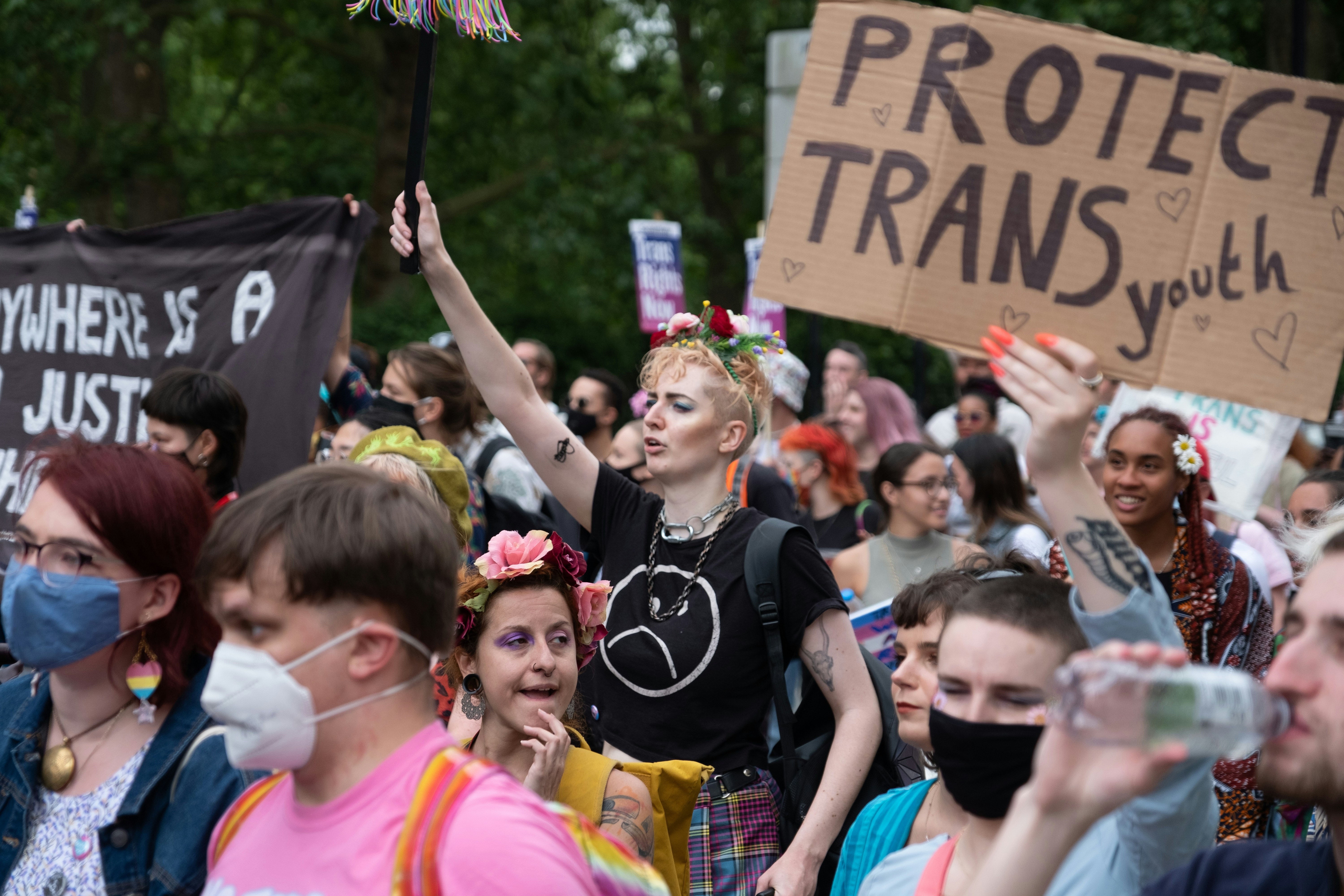
Throughout history, children have often been utilized as political or social instruments, serving the interests of various groups or individuals. This comparative analysis highlights how current discussions surrounding ‘trans kids’ echo historical precedents, where vulnerable populations were subject to the whims of political agendas. The Democratic Party’s stance on child sex changes raises significant concerns that parallel past instances of exploitation.
One pertinent comparison arises from the case of Jeffrey Epstein, whose heinous activities involved the manipulation and abuse of children for personal gain. Epstein’s influence and connections allowed him to operate with impunity, highlighting the dangers of societal structures that fail to protect the most vulnerable. In similar veins, the Democratic Party’s advocacy for transitioning children may inadvertently position them as pawns in a larger ideological battle. This perspective suggests that the party may prioritize political goals over the well-being of children.
Historical patterns indicate that children, when stripped of their agency, risk becoming victims of greater societal issues. The promotion of child sex changes within current political discourse can be viewed as a troubling extension of this exploitation. Decisions made on behalf of these ‘trans kids’ often lack sufficient consideration of their long-term implications, posing ethical dilemmas akin to those faced in past societal choices.
In essence, the modern implications of labeling innocent children as ‘trans kids’ resonate deeply with historical practices that resulted in severe ramifications for youth. Political narratives that prioritize ideological conformity over genuine care can lead to damaging outcomes. By examining these past and present frameworks, we recognize the importance of safeguarding children from becoming entangled in complex socio-political machinations, reinforcing the need for responsible advocacy in the discourse surrounding child sex changes.
Conclusion: The Need for a Child-Centric Approach
The discourse surrounding gender identity in children has become increasingly polarized, often overshadowed by broader political agendas. The label of ‘trans kids’ has emerged within the context of debates that unfortunately include topics as alarming as epstein party democrats and their affiliations. Such framing risks entangling vulnerable children in complexities that exceed their emotional and developmental capacities.
It is crucial that society undergoes a fundamental reevaluation of how it approaches gender identity in young individuals. Children are not mere political tokens to be used in debates; they are individuals with unique experiences that necessitate sensitivity and understanding. Rather than adhering strictly to partisan ideologies, facilitating discussions that prioritize compassion will foster a nurturing environment conducive to children’s well-being.
When considering matters relating to child sex changes and gender identity, it is imperative to engage parents, educators, and healthcare professionals in meaningful dialogue. This should involve an inter-disciplinary approach that focuses on the psychological, biological, and social dimensions of human development. Only through such collaboration can strategies be developed that adequately protect and support children, steering clear of exploitation influenced by adult agendas.
A bipartisan commitment to safeguard the innocence and integrity of children is essential in creating policies that genuinely prioritize their welfare. We must advocate for frameworks that embrace a nuanced understanding of gender identity, granting children the space to explore who they are free from the burden of adult political conflicts. It is our collective responsibility to ensure that every child has the opportunity to thrive in an environment that respects their dignity and rights, away from the accusatory narratives often seen in political arenas.
Leave a Reply