
You May Also Like

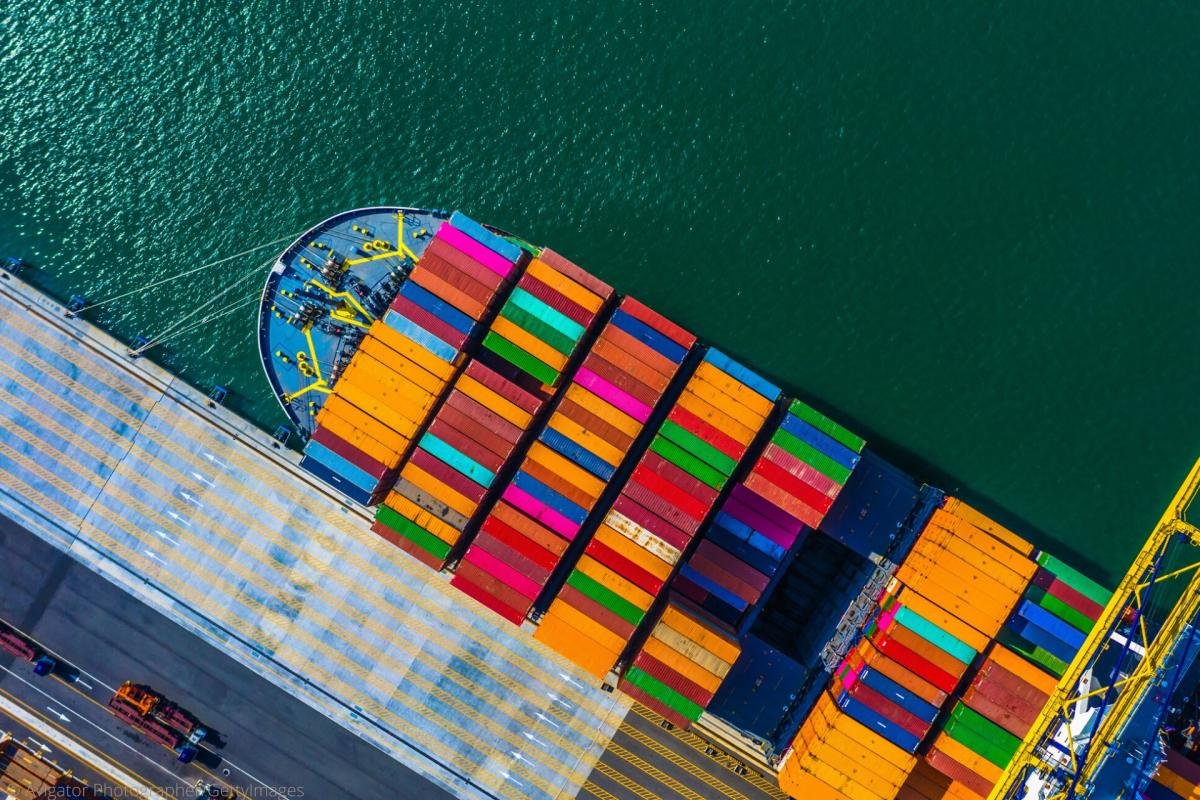
The revised Waste Shipment Regulation and most of its provisions enter into application today (21 May), including the launch of the Digital Waste Shipment System (DIWASS). This electronic platform will transform how waste is tracked across the EU, ensuring greater transparency, efficiency, and security in cross-border waste movements.
All waste shipments are now subject to the prior informed consent (PIC) procedure (covering hazardous waste, mixed municipal waste, waste destined for disposal, and contaminated waste), which must be processed digitally through DIWASS.
These new rules are a landmark moment in the EU’s transition to a circular economy and a decisive step towards fully digitalised waste shipment procedures, replacing outdated paper-based systems with a secure, real-time electronic exchange of documentation.
This shift is critical in strengthening the EU’s strategic autonomy by improving the traceability and availability of secondary raw materials and reducing reliance on third-country imports of primary raw materials.
“In today’s geopolitical landscape, access to raw materials is not just an economic issue — it’s a strategic imperative. A fully digital EU wide operational system to keep track of waste shipments will help Europe take control of its own resource flows, turning waste into a secure, sustainable source of critical materials.
This is how we build a resilient, self-reliant Europe while cutting red tape and fighting illegal trade.”
Jessika Roswall, Commissioner for Environment, Water Resilience and a Competitive Circular Economy
Digital leap for EU waste shipments
The launch of DIWASS will boost the resilience of EU industry by ensuring the secure and efficient circulation of waste within the single market and facilitating recycling into secondary materials.
It will also cut red tape for businesses and authorities, saving an estimated €1.4 million per year in administrative costs, at the same time as combating illegal waste trade, which undermines Europe’s resource security and environmental goals. Compliance with automated data submission and real-time shipment tracking will be accelerated, too.
DIWASS also simplifies procedures for all stakeholders. For businesses, it means:
- Faster processing of notifications, reducing delays at the borders.
- Simplified reporting, with automated data submission.
- Greater legal certainty, thanks to real-time access to shipment status.
For authorities, DIWASS provides:
- Instant access to shipment data, thus improving enforcement.
- More efficient handling of notifications, reducing bureaucratic delays.
- Better data collection for EU reporting obligations.
Pragmatic transition for green-listed waste shipments
While PIC procedures may now only be executed electronically, the EU and its Member States agreed to a flexible approach for green-listed waste (non-hazardous waste destined for recovery). Under this approach, operators may continue to use the old paper procedure until 31 December 2026, allowing additional time to adapt to digitalisation, while ensuring continuity of cross-border recycling flows.
In addition to the launch of DIWASS, the following measures also enter into application today:
- A simplified PIC (Prior Informed Consent) process to speed up approvals by Member State authorities of shipments of hazardous and other “notified” waste to another EU Member State.
- Reinforcement of the “fast-track procedure” for waste sent to pre-consented EU facilities for recovery.
- Stricter rules on the export of plastic waste: From today, all plastic waste exports to third countries will require PIC approval. As a next step, from 21 November 2026, exports of plastic waste from the EU to non-OECD countries will be banned, ensuring better management of plastic waste globally.
Background
The revised Waste Shipment Regulation (WSR), adopted on 11 April 2024, updates EU rules on waste trade to improve transparency, facilitate shipments of waste for recycling in the EU, better monitor export of waste to third countries and combat illegal shipments of waste.
It supports the EU’s circular economy by facilitating the circulation of waste and secondary raw materials within the single market.
2024 waste shipment figures:
- 26 million tonnes of waste shipped between Member States under the PIC procedure.
- 50 million tonnes of green-listed waste moved within the EU.
More Information
Waste shipments | European Commission
