

Now Reading: Understanding Modern Perspectives on Gender and Sexuality: A Closer Look at Societal Norms
- 01
Understanding Modern Perspectives on Gender and Sexuality: A Closer Look at Societal Norms

Understanding Modern Perspectives on Gender and Sexuality: A Closer Look at Societal Norms
Introduction: The Changing Landscape of Gender and Sexuality
The societal landscape surrounding gender identity and sexual orientation has been gradually shifting, reflecting broader cultural changes and advancements in understanding. In recent decades, discussions about gender and sexuality have transcended traditional categorizations, moving toward a recognition of the complexities inherent in these concepts. This evolving dialogue is characterized by a growing acceptance of diverse identities, including those of gay and transgender individuals.
Historically, gender norms were often rigid, dictating specific roles and expectations based on one’s assigned sex at birth. However, as societal perspectives have evolved, the binary understanding of gender has become increasingly challenged. Today, many recognize that gender exists on a spectrum, where individuals may identify as non-binary, genderqueer, or genderfluid, among other identities. This paradigm shift urges us to reconsider long-held beliefs, fostering a more inclusive environment.
Furthermore, the evolution of societal attitudes towards sexual orientation has paralleled this transformation in gender discussions. The acceptance of same-sex relationships has gained significant momentum over the past few decades, driven largely by activism, legal reform, and changing narratives in the media. Marriage equality has become a pivotal achievement for LGBTQ+ rights, underscoring the necessity for broader recognition of diverse relationships.
Crucially, tolerance and acceptance are now seen as fundamental to advocating for the rights of individuals, particularly those who identify as gay and transgender. Societal norms are increasingly emphasizing the importance of understanding and embracing diversity, fostering environments where individuals can express their true selves without fear of discrimination or stigma. Such progress highlights the ongoing need for education and awareness to challenge prejudice and promote equality.
Why Are People Perceived as Wishy-Washy?
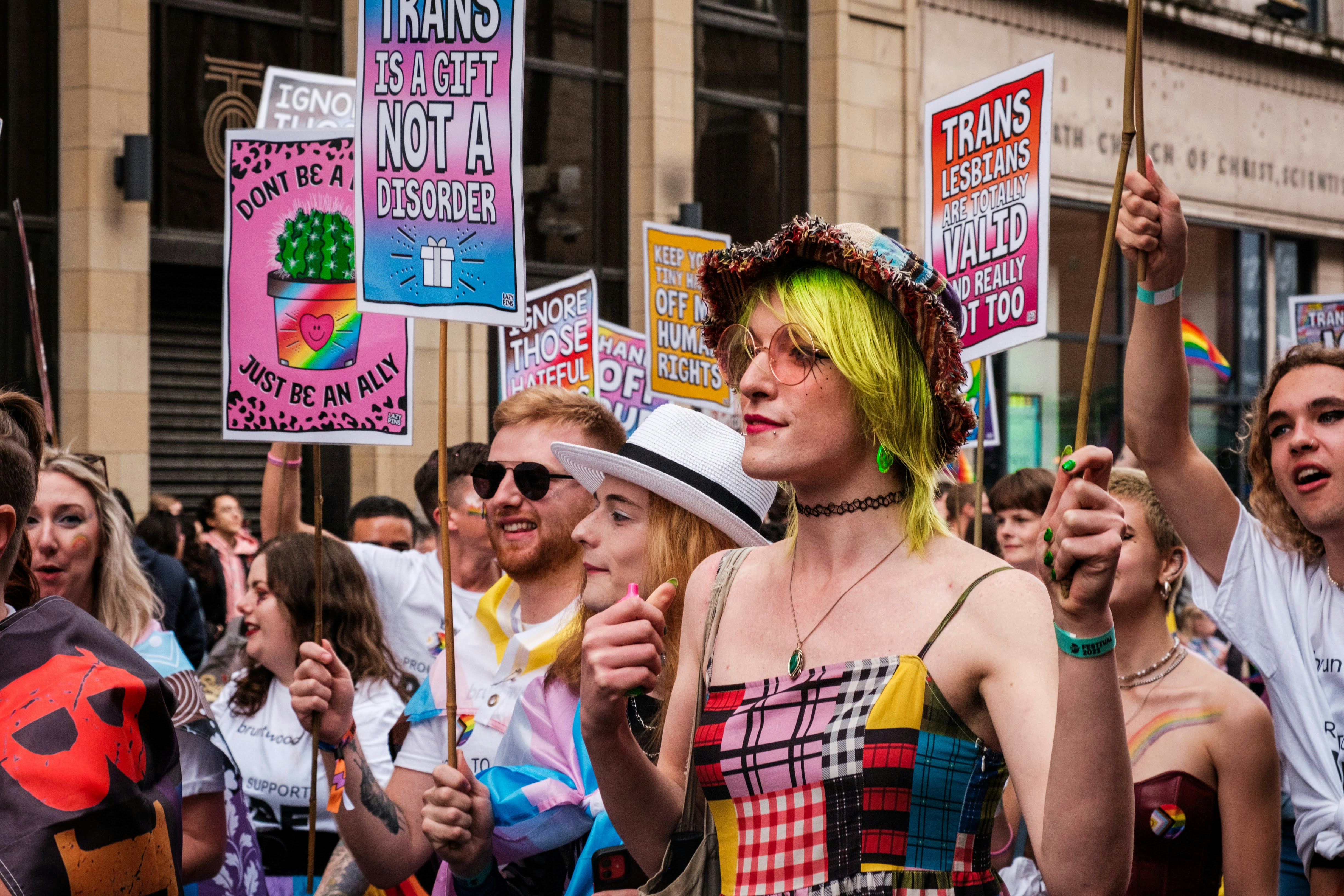
The perception of individuals as “wishy-washy” in contemporary discussions surrounding gender and sexuality has become increasingly prevalent. This interpretation often stems from a combination of influences that manifest within society, particularly the role of social media, generational differences, and the ongoing struggle for personal identity. Each of these factors plays a significant role in shaping perceptions and discussions about gender-related issues.
Social media platforms serve as a double-edged sword in matters of gender and sexuality. On one hand, they provide space for individuals to express diverse identities and experiences that were previously marginalized. However, the rapid dissemination of information can lead to inconsistency in narratives. As people continuously adapt their views based on evolving societal norms shared online, observers may label this fluidity as wishy-washiness, rather than appreciating it as a natural evolution of thought.
Generational differences add another layer to this complexity. Younger generations often challenge traditional notions of gender and sexuality, growing up in an environment where such discussions are more openly navigated. This shift can create generational divisions, where older individuals may view younger people’s fluid expressions of identity as indecisiveness or lack of conviction. In contrast, younger individuals may perceive their own fluidity as a reflection of authenticity and acceptance.
Furthermore, the struggle for identity can contribute to this perception. As people navigate their own understanding of gender and sexuality, they may wrestle with a multiplicity of influences, leading to changes in how they identify at different points in their lives. This journey often involves experimentation with labels and expressions, which can be misconstrued by others as wishy-washiness rather than a legitimate exploration of self.
The Role of Activism in Shaping Identity Politics
Activism plays a pivotal role in the ongoing struggle for the rights of gay and transgender individuals. Historically, activist movements have been instrumental in advocating for social changes and legislative reforms that address discrimination and inequality faced by these communities. Prominent examples include the Stonewall Riots of 1969, which galvanized the modern LGBTQ+ rights movement and set in motion a series of events that would redefine social attitudes towards gender and sexuality.
The direct involvement of activists has been crucial in shaping public policy. Through protests, legislative lobbying, and various forms of advocacy, activists have raised awareness about the challenges that gay and transgender people encounter. Their efforts have resulted in significant legal advances, such as the legalization of same-sex marriage in numerous countries, anti-discrimination laws, and the recognition of transgender rights. These changes have not only influenced governmental policies but have also contributed to shifting societal norms and perceptions.
However, the activism surrounding these issues can lead to backlash from opposing factions, who may perceive such movements as divisive or threatening to traditional societal structures. This pushback can manifest in various forms, from legislative attempts to roll back rights to social campaigns aimed at stigmatizing LGBTQ+ identities. Activists face the challenge of navigating these complexities, attempting to stand firm in their advocacy while responding to negative perceptions and a polarized political landscape.
The impact of activism extends beyond immediate legal changes; it also involves fostering a greater understanding and acceptance of diverse identities within society. By amplifying voices that have historically been marginalized, activists contribute to a broader discourse that challenges entrenched societal norms and fosters inclusivity. Thus, the role of activism remains central not only in constitutional rights but also in reshaping the cultural landscape surrounding gender and sexuality.
The term “toxic” has been used in various contexts, often conjuring negative connotations that can unjustly stigmatize certain groups. When applied to gay and trans individuals, the implications of labeling them as “toxic” merit careful examination. This accusation tends to emerge from cultural and social misconceptions rooted in historical prejudice and a lack of understanding of gender and sexuality. In many cases, these derogatory claims arise from traditionalist perspectives that view non-heteronormative identities as threats to societal norms.
Fundamentally, the assertion that gay and transgender individuals are toxic can be traced back to these communities being marginalized and oppressed for decades, if not centuries. Much of this toxicity stems from the historical context of discrimination, wherein societal norms have framed non-heterosexual and non-cisgender identities as deviant. The rhetoric used by some individuals or groups seeking to maintain a status quo often reflects a profound misunderstanding or outright rejection of the diversity inherent in human identity.
It is crucial to assess who perpetuates these toxic stereotypes. They often emerge from circles resistant to change, wherein traditional notions of masculinity and femininity are rigidly upheld. Individuals in these groups may perceive gay and trans individuals as undermining their understanding of gender roles, leading to an instinctual backlash. Consequently, this dynamic can create a hostile environment that exacerbates feelings of fear and misunderstanding toward these communities.
The broader implications of such accusations are significant; they perpetuate stigma and can harm the mental health of already vulnerable individuals. Mislabeling entire communities as toxic serves only to reinforce societal divisions. In a landscape striving for equality and inclusion, it becomes essential to dismantle these harmful narratives and recognize the value of diverse identities, championing understanding rather than suspicion.
The Importance of Blending into Society: Navigating Identity
In contemporary discussions on gender and sexuality, the notion of blending into society emerges as a critical theme, particularly for individuals who identify as gay or transgender. The societal pressures to conform can often be overwhelming, leading some to perceive their personal identity as something that should remain private rather than publicly expressed. This belief can stem from a myriad of influences, including cultural norms, familial expectations, and historical stigmas surrounding sexual orientation and gender identity.
However, while the desire to maintain privacy regarding one’s identity is understandable, it is essential to recognize the benefits that societal acceptance can offer. For many, openly expressing their identity can lead to increased opportunities for connection and understanding, fostering a profound sense of belonging. When individuals feel safe to share their authentic selves, it encourages a more inclusive environment where diversity is celebrated, resulting in a richer social fabric.
Moreover, as society becomes more receptive to varied identities, the importance of representation becomes increasingly pronounced. Visibility of gay and transgender individuals in mainstream culture not only empowers those within these communities but also educates the wider public, reinforcing the idea that diverse sexual orientations and gender identities deserve acknowledgment and respect. This dynamic interplay between personal expression and societal acceptance can significantly enhance individual experiences, allowing for greater emotional well-being and community support.
Ultimately, while the journey towards blending into society can be fraught with challenges, navigating one’s identity in the public sphere can play a pivotal role in shaping both personal experiences and societal attitudes. The path to acceptance involves not only personal revelation but also collective understanding, highlighting the importance of fostering spaces where everyone feels valued and accepted.
Personal Preferences and Identity: A Complex Relationship
The interplay between personal preferences and identity is an intricate aspect of contemporary discussions surrounding gender and sexuality. At its core, personal identity relates to how individuals perceive themselves and choose to express their gender and sexuality. This expression often reflects deeply held values, beliefs, and experiences unique to each individual.
In recent years, societal norms have begun to shift toward a more inclusive understanding of gender and sexual identity. Many individuals have taken the courageous step to openly discuss their preferences, navigating a landscape that is frequently fraught with resistance. These personal choices, whether relating to sexual orientation, gender identity, or expressions thereof, are ultimately intimate matters that deserve respect and validation.
It is essential to emphasize that societal scrutiny of personal preferences can lead to misunderstanding and bias. Such judgment often stems from traditional views that enforce rigid categories for gender and sexuality. However, increasing awareness and acceptance of diversity in sexual and gender identity reveal a crucial truth: these elements are complex and cannot be confined to conventional binaries.
Each person’s journey in defining their identity is influenced by a host of factors, including cultural background, social environment, and personal experiences. This complexity underscores the significance of allowing individuals the space to self-identify without external pressure or the need for validation from society. Personal preferences are inherently subjective and vary widely across different contexts, further underscoring the importance of understanding and empathy in discussions surrounding gender and sexuality.
Ultimately, respecting individual choices in gender and sexual identity is vital for fostering a more inclusive society. Everyone has the right to define their identity on their terms, free from scrutiny and prejudice. As society continues to evolve, recognizing the legitimacy of diverse identities remains a fundamental step toward inclusivity and understanding.
Historically, the attitudes toward LGBTQ+ individuals in America have evolved significantly from a climate of suppression to one of acceptance and integration. In the years following World War II, societal views towards homosexuality were predominantly negative, rooted in rigid perceptions of gender and sexuality. Activism began to gain momentum in the 1960s and 1970s, with pivotal moments such as the Stonewall Riots in 1969, which marked a turning point in the fight for gay rights. Activists sought not only legal protections but also societal acceptance of their identities.
Throughout the next few decades, the ongoing struggle for rights prompted increased visibility of LGBTQ+ issues. The AIDS crisis of the 1980s galvanized the community and its allies, pushing the conversation about gay rights into the mainstream. This period of tragedy led to a renewed urgency in advocating for equality, resulting in greater awareness and, gradually, a more favorable public opinion.
By the 2000s, the landscape had shifted dramatically; polls indicated that a majority of Americans were beginning to support same-sex marriage and legal recognition of relationships. The landmark Supreme Court decision in Obergefell v. Hodges in 2015 expanded marriage rights to same-sex couples, a significant milestone in the ongoing movement toward equality. Meanwhile, discussions surrounding transgender rights gained traction, challenging previously held norms about gender identity. As more transgender individuals began to share their stories, the need for understanding and acceptance shifted public perception, leading many organizations and institutions to adopt inclusive policies.
Today, we observe a more integrated view of LGBTQ+ individuals in various aspects of society, from media representation to workplace inclusivity. Despite this progress, challenges remain, emphasizing the need for continued advocacy and education. The evolution of America’s perspective on LGBTQ+ issues reflects a broader trend towards embracing diversity, thus fostering a more inclusive society.
Future Considerations: The Path Ahead for LGBTQ+ Rights
As society progresses, the landscape of LGBTQ+ rights and acceptance in the United States continues to evolve. The advancements made over recent decades highlight a significant shift in public perception towards gender and sexual diversity. However, the journey is far from complete. Looking ahead, there are crucial considerations that will shape the future of LGBTQ+ rights.
One of the primary areas that demand attention is legal protection against discrimination. While several states have enacted laws to protect individuals based on sexual orientation and gender identity, there remains a patchwork of regulations. A unified federal approach could offer comprehensive protection for LGBTQ+ individuals, ensuring that their rights are upheld across all states. Legislative efforts, such as the Equality Act, which aims to extend civil rights protections, could play a pivotal role in achieving this goal.
Moreover, social acceptance continues to be a vital component in the fight for equality. Education plays a key role in transforming societal attitudes by promoting understanding and acceptance of LGBTQ+ identities. Incorporating comprehensive curricula that address issues of gender and sexuality into schools can help dismantle harmful stereotypes and foster a culture of inclusivity. Collaboration between educational institutions and LGBTQ+ advocacy groups can enhance these initiatives, creating safe spaces for individuals to learn and express themselves authentically.
Furthermore, representation in media and politics is essential for creating a more equitable society. Increased visibility of LGBTQ+ individuals in various spheres can challenge existing stereotypes and promote diversity as a whole. Encouraging more individuals to step into leadership roles within local and national contexts can provide new perspectives and inspire change.
In conclusion, the future of LGBTQ+ rights and social acceptance is a multifaceted issue that requires concerted efforts from various sectors of society. By fostering legal protections, enhancing education, and promoting representation, a more inclusive environment can be achieved, paving the way for all individuals to live openly and authentically.
Conclusion: Moving Towards a More Accepting Society
As we delve into the complexities surrounding gender and sexuality, it becomes increasingly evident that a shift in societal perspectives is paramount. The discussions surrounding modern views on gender and sexuality have highlighted the evolving nature of these concepts, influenced by factors such as culture, education, and individual experiences. By understanding the historical context and recognizing the diversity within these identities, we can promote a more comprehensive understanding that challenges traditional norms.
Key insights from earlier sections illustrate that acceptance of varied identities is not merely a progressive trend but a cornerstone of a healthy society. As we encounter differing viewpoints and experiences related to gender and sexuality, we must cultivate an environment where dialogue is encouraged. This dialogue is vital for breaking down the barriers that often style ignorance and prejudice, allowing for greater empathy and understanding among individuals.
Moreover, fostering a society that embraces diversity in gender identity and sexual orientation is essential for promoting mental well-being and social cohesion. When individuals feel accepted and supported, they are more likely to contribute positively to their communities, thereby enhancing societal well-being as a whole. It is important to recognize the role that each of us plays in this evolving narrative, as small actions can lead to meaningful change.
In moving forward, let us commit to ongoing education and open conversations about gender and sexuality. By encouraging respect for differences and promoting inclusivity, we can take significant steps toward a world where all individuals are honored for who they truly are. In conclusion, the journey towards a more accepting society requires collective effort, understanding, and a willingness to learn from one another.