

You May Also Like

By Pat Melgares
K-State Extension
Monday, Nov. 2, 2026
MANHATTAN, Kansas – A community health expert with Kansas State University’s extension service says two community-based programs are helping Kansans take charge of their health while addressing cardiovascular disease and maternal health.
Elaine Johannes, Kansas Health Foundation Distinguished Professor of Community Health at K-State, said Kansas recently received a grade of ‘D’ for cardiovascular disease indicators, according to data from the U.S. Department of Health and Human Services’ Healthy People 2030 program.
Another national organization — the March of Dimes — gives the state a C-minus for preterm births.
But Johannes also says that the state is not quietly hoping the challenges will go away.
“Most Kansans know that we need to take care of ourselves,” she said Johannes, noting that more than 34% of adult Kansans have been diagnosed with hypertension or experience elevated blood pressure. “We need to look at our overall health, and especially we need to look at our cardiovascular health.”
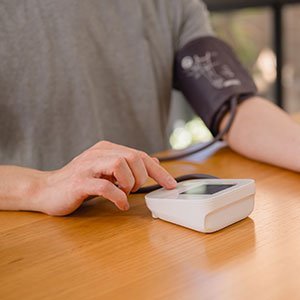
K-State Extension’s Hypertension Awareness and Prevention program, known as HAPp, teaches participants how to measure blood pressure accurately and develop habits that support heart health. The program is offered through local extension offices and can be delivered to workplaces, libraries, churches, 4-H clubs, senior centers and more.
During the six-week program, participants learn about nutrition, physical activity, reducing sodium intake and managing stress. Trained Extension agents also coach participants on taking blood pressure readings consistently and correctly.
A longer, four-month HAPp Signature Program provides additional support, including a blood pressure monitor, coaching and guidance on tracking readings at home.
Johannes said the goal is to help participants recognize changes and communicate effectively with their health care providers.
“We’re teaching agents to teach their clients and customers in HAPp how to think about the pump and hose that are inside each of us,” Johannes said, referring to the heart and arteries. “And then how to know when it’s not working, and more importantly, how to communicate back to our provider that, hey, we need help here.”
Johannes recommends beginning with weekly blood pressure checks, ideally at the same time and under similar conditions. Once a consistent routine is established and readings remain in a healthy range, participants may be able to check less frequently, in consultation with their health care providers.
The effort is expanding into maternal health, where Kansas faces elevated risks involving preeclampsia, gestational diabetes and maternal mortality. Rural isolation, transportation barriers, limited health care providers and inadequate insurance can complicate access to care, Johannes said.
“Through partnerships with the Kansas Department of Health and Environment and the Kansas Perinatal Community Collaborative (KPCC), K-State Extension is helping families learn about health risks during pregnancy and throughout the year after childbirth,” according to Johannes.
One initiative, Baby Talk, uses educational materials from Becoming a Mom, or BAM, a nationally recognized maternal health program. Online sessions allow mothers, fathers and partners in isolated communities to participate in education with guidance from an extension agent.
Johannes said the program is becoming more popular, and some communities have even hosted watch parties at extension offices, where families gather to view educational content, learn about blood pressure monitoring and discuss nutrition and stress management.
More information on these and other programs that promote healthy living is available at local extension offices in Kansas.
